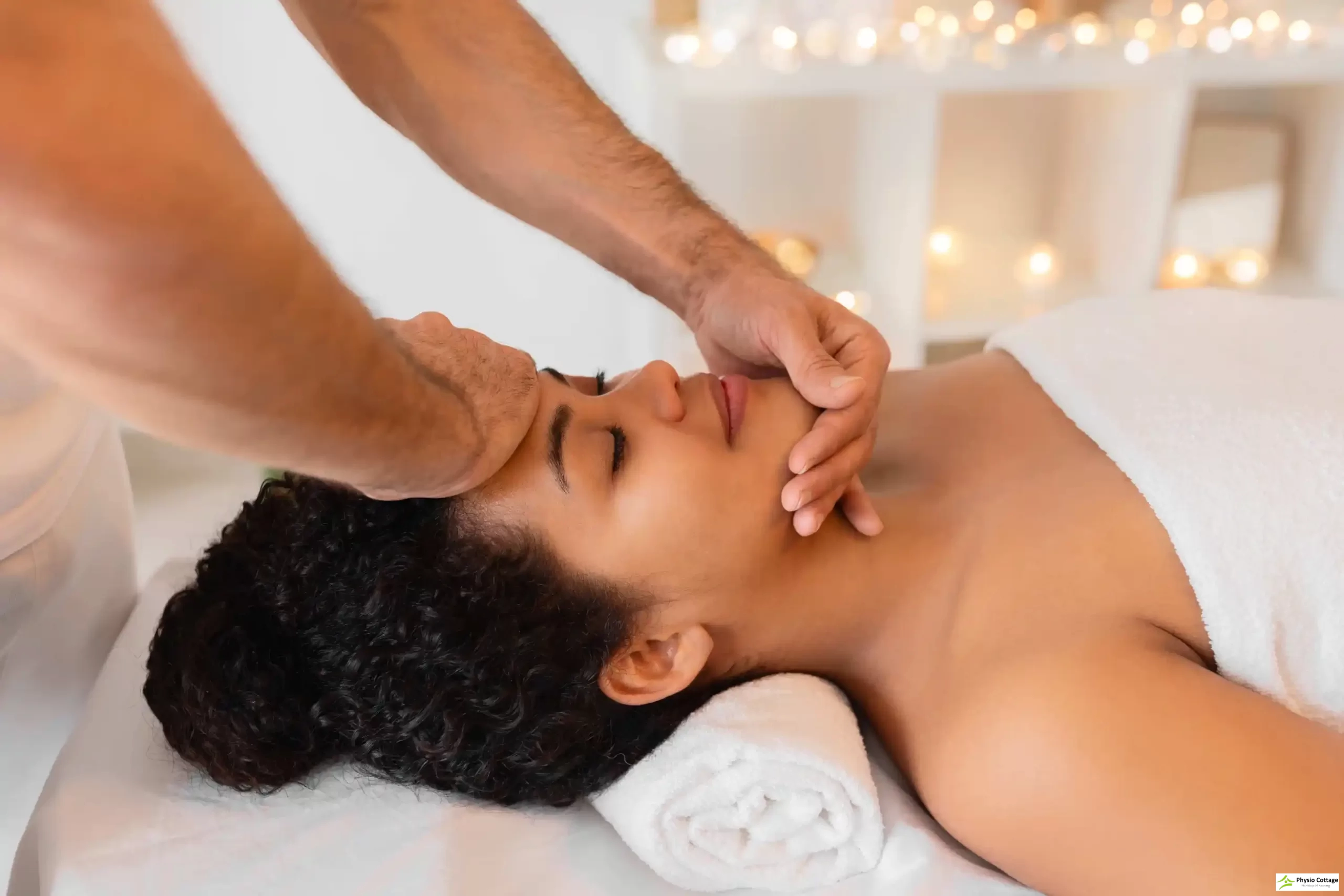
Chronic muscle tension
Deep tissue work targeting long-standing tightness and pain, as part of a broader chronic pain plan.
Massage Therapy · Scarborough
Reviewed by Maryam Ahankoob, Registered Physiotherapist and clinic lead. Updated November 2026.
Muscle tension, chronic pain, a sports injury, pregnancy discomfort, or stress that won’t let go, our Registered Massage Therapists (RMTs) provide clinical, hands-on treatment built around your body, not a generic relaxation routine.
We serve patients from across Scarborough and east Toronto, including Victoria Village, Wexford, Bendale, Agincourt, L’Amoreaux, and Clairlea, with easy parking and flexible evening and Saturday appointments near Victoria Park & Ellesmere.

Not the same as a spa massage
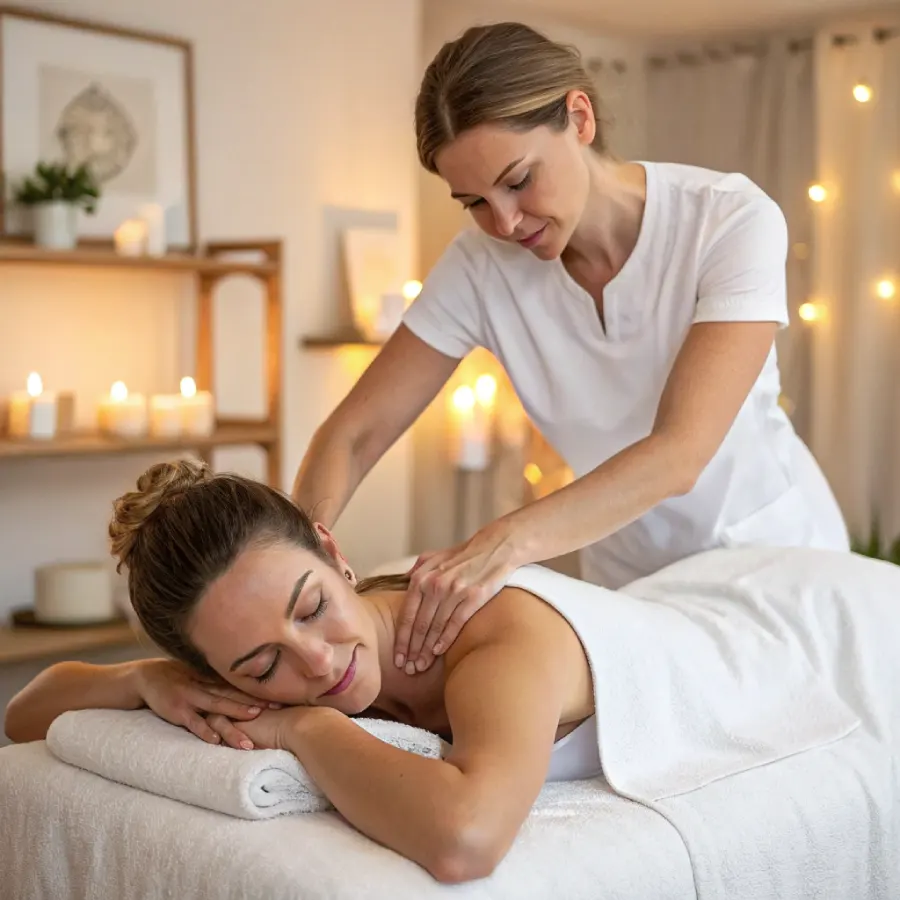
A Registered Massage Therapist (RMT) is a regulated healthcare professional overseen by the College of Massage Therapists of Ontario (CMTO). Unlike a spa or relaxation massage, RMT treatment is clinical: your therapist assesses your muscles, joints, and connective tissue, and builds a treatment plan around your specific condition, not a fixed spa menu.
That distinction matters for more than comfort: it’s also why RMT treatment is eligible for most extended health insurance plans, and why we can bill directly for WSIB and motor vehicle accident (MVA) claims.
Registration is easy to verify. You can check any RMT’s registration directly on the CMTO website before you book.
Fees and pricing
Registered massage therapy at Physio Cottage is priced by session length, from $79.10 for 30 minutes to $169.50 for 90 minutes. All massage prices include HST, so no tax is added at the desk. Every session is with a registered massage therapist, so you receive the official receipt that extended health plans ask for when you claim massage therapy. If you are not sure which length to book, 60 minutes is the most common choice for a first visit.
All prices in Canadian dollars. Your fee is confirmed when you book.
Not sure which one you need?
| Type | Best for | What it feels like |
|---|---|---|
| Deep tissue | Persistent muscle tension and chronic pain | Slower strokes, firmer pressure, targeting deeper muscle layers |
| Sports massage | Athletes: injury prevention, performance, recovery | Focused, technique-driven work on muscles under active strain |
| Pregnancy massage | Prenatal discomfort and relaxation | Gentle, positioned safely for pregnancy |
| Myofascial release | Fascia tightness limiting mobility | Sustained pressure on connective tissue, not muscle belly |
Not sure which fits your situation? Tell us your symptoms when you call and we’ll recommend the right one: many patients also combine massage with physiotherapy or chiropractic care.
Self-check
You may benefit from massage therapy if you experience any of the following.
If any of this sounds familiar, a massage therapy assessment is a reasonable next step.
Book an assessmentConditions we treat
Deep tissue work targeting long-standing tightness and pain, as part of a broader chronic pain plan.
A hands-on way to lower overall tension and support relaxation and sleep.
Gentle, safely positioned prenatal massage for back and hip strain as your body changes.
Myofascial release to ease tight connective tissue limiting movement, see our myofascial release service.
Sports massage to support recovery, injury prevention, and performance: see our sport injury program.
Used alongside physiotherapy to support recovery and reduce scar tissue restriction.
Massage therapy is often part of recovery from a WSIB workplace injury or a motor vehicle accident (MVA), and we bill directly to your claim where applicable.
Your first visit
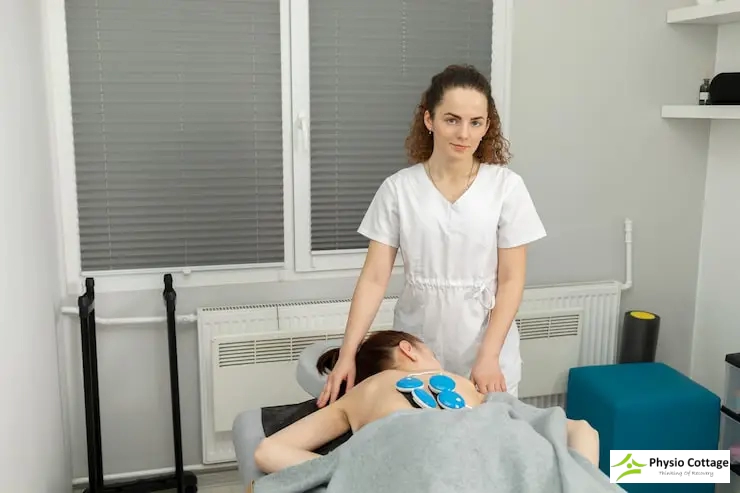
Your first visit starts with a conversation about your symptoms, health history, and goals, so your RMT can choose the right technique and pressure for your condition.
Treatment can begin the same visit, and your therapist checks in throughout to make sure pressure and technique feel right for you, never a fixed routine regardless of how you respond.
Why Physio Cottage
Regulated by the College of Massage Therapists of Ontario (CMTO).
Every session is built around your condition, not a fixed spa menu.
Calm treatment rooms designed to help you relax, not rush.
Combine massage with physiotherapy, chiropractic care, or acupuncture.
Most extended health plans, plus WSIB and MVA claims, no need to pay out of pocket and file it yourself.
Open Monday to Friday 10am to 8pm and Saturday 9am to 5pm, with on-site parking at Victoria Park and Ellesmere.
Where our patients come from
Physio Cottage is located near Victoria Park & Ellesmere and welcomes patients from across Scarborough and east Toronto.
Techniques
Registered massage therapists are trained in a range of techniques and choose between them based on your assessment, not a menu. Most sessions blend two or three of the approaches below, and the pressure is adjusted to you throughout. If something feels too deep or not deep enough, say so; adjusting is part of the treatment, not an interruption.
Long, flowing strokes and kneading at light to moderate pressure to calm the nervous system, improve circulation and ease general tension. Often the right choice for stress, poor sleep and first time patients.
Slower, firmer work into the deeper layers of muscle and connective tissue to release chronic tightness in the back, hips, shoulders and neck. Deep does not have to mean painful; good deep tissue work stays within your tolerance.
Focused work on the muscle groups you load most, combined with stretching, to reduce soreness, keep range of motion and support recovery between training sessions, races or games.
Sustained pressure on tight bands and tender points that refer pain elsewhere, such as the shoulder blade knot that sends pain up the neck. Read more about myofascial release.
Side lying and supported positioning, gentle pressure and attention to the low back, hips and legs during pregnancy and after delivery. Our RMTs screen for any reasons to modify treatment before each session.
Massage therapy is included in many WSIB and motor vehicle accident treatment plans alongside physiotherapy. We coordinate the plan and bill the insurer directly for approved care.
Frequency
There is no single right answer, and your frequency should come from your assessment and be reviewed as you improve. These are the patterns we typically recommend at Physio Cottage, adjusted after each visit:
Your extended health plan usually sets an annual dollar limit for massage therapy rather than a number of visits. Tell us your limit and we will help you space sessions so coverage lasts the year. How massage therapy insurance coverage works.
Combined care
Because our RMTs work in the same clinic as our physiotherapists and chiropractor, massage therapy can be built into a larger recovery plan instead of running in isolation. A typical example: a patient with a lower back strain sees the physiotherapist for assessment and exercise, then books massage therapy on alternate weeks to ease the muscle guarding that makes the exercises harder to do. The therapists share notes, so you do not have to repeat your history or explain what the other practitioner is working on.
The same applies after a car accident or a workplace injury, where the treatment plan often lists both physiotherapy and massage therapy. We prepare the plan, bill the insurer directly and schedule both services at the same visit when you prefer fewer trips.
If you book massage first and your RMT finds a problem that needs a physiotherapy or chiropractic assessment, such as nerve symptoms, joint instability or pain that is not responding to soft tissue work, they will tell you and arrange the referral within the clinic.
Honest advice
Massage therapy helps with a great deal, but there are situations where another assessment should come first, and our RMTs will tell you if you describe one of them when you book:
Once a doctor or physiotherapist has assessed the problem, massage therapy is frequently part of the recovery plan and can start right away.
Whether you want a full body massage to unwind or focused work on one painful area, every session at Physio Cottage is provided by a Registered Massage Therapist, so you get an assessment, a treatment plan and an RMT receipt for your insurance.
A full body massage covers the back, neck, shoulders, arms, legs and feet. Most people choose 60 or 90 minutes for full body work. Tell your RMT which areas matter most so the time is spent where you need it.
Deep tissue and therapeutic massage target tight muscles, knots and overuse injuries from running, gym training, hockey and other sports. Your RMT can coordinate with our physiotherapists when massage is part of an injury plan.
Prenatal massage uses side-lying positions and gentle techniques to ease low back, hip and leg discomfort during pregnancy. Let us know how far along you are when you book.
Deep tissue massage uses slower, firmer pressure to reach the deeper layers of muscle and fascia. It suits stubborn knots in the upper back and neck, tight hips and low back pain from long hours of sitting or physical work. Deep work should feel strong but never sharp, and your RMT adjusts pressure as you go.
Swedish massage uses long, flowing strokes and kneading at a lighter to moderate pressure. It is a good choice if stress, poor sleep or general tension is the main reason you are booking, and it is often done as a full body massage.
Sports massage is aimed at people who train regularly. Before an event it focuses on warming up the muscles you rely on; after training or competition it helps with tightness and recovery. It pairs well with our sports injury physiotherapy when you are coming back from an injury.
Lymphatic drainage massage uses very light, rhythmic strokes that follow the direction of lymph flow. It is used for swelling after injury or surgery and for some people with fluid build-up in the legs. Ask when you book so we match you with an RMT who offers it, and bring any notes from your surgeon or doctor.
A foot massage session focuses on the feet, ankles and calves. It is popular with people who stand all day, runners and anyone with tight calves or heel and arch pain. Foot work can be booked as a 30 minute session on its own or added to a full body massage. For ongoing heel pain, our physiotherapists can also check whether custom orthotics or shockwave therapy would help.
If you are searching for a body massage or a massage near Scarborough, the clinic is at 2231 Victoria Park Ave, Unit #5, near Ellesmere Rd, with on-site parking and evening and Saturday appointments. Patients come from Wexford, Dorset Park, Maryvale, Clairlea, Parkwoods and Victoria Village. Every session is with a Registered Massage Therapist, so you get a receipt your extended health plan will recognise.
Aftercare
After a deeper session you may feel loose, a little tired or mildly sore for a day, much like after a good workout. Drinking water, gentle movement and a warm shower help. Soreness that is sharp or lasts beyond two days is unusual, so let us know. Between sessions, the things that make treatment last are simple: short stretch breaks if you sit for long periods, a walk most days, a desk set up that keeps your screen at eye level, and the two or three stretches your RMT shows you. These are the habits we ask you to keep up between visits.
Condition guide
Patients rarely book massage therapy for no reason. These are the complaints that fill most of our RMTs’ days, and how treatment is usually approached for each.
Work on the lumbar paraspinals, glutes and hip flexors, which tighten together when you sit for long periods or lift awkwardly. Combined with the physiotherapist’s core and hip program when pain keeps returning. What causes lower back pain.
Upper trapezius, levator scapulae and the small muscles at the base of the skull carry most desk tension. Slow release work here often eases tension headaches as well. We also look at your workstation habits so the knot does not rebuild by Friday.
When the piriformis and deep hip rotators are tight they can irritate the sciatic nerve. Targeted release plus stretching helps, provided a physiotherapy assessment has confirmed the source. Buttock pain when sitting.
Massage cannot free a truly frozen shoulder on its own, but it reduces the muscle guarding around it so physiotherapy mobilization and exercise are more comfortable and effective. Massage therapy for frozen shoulder.
Deep work through the calf, Achilles and the sole of the foot, with advice on footwear and loading. Often paired with custom orthotics when foot mechanics are part of the problem.
Gentle intra oral and external work on the masseter and temporalis muscles for clenching, grinding and TMJ discomfort, alongside the physiotherapist’s jaw mobility program when needed.
Once the surgeon clears you, scar massage helps keep the tissue mobile and less sensitive. Massage therapy for scar tissue.
Relaxation focused sessions at lighter pressure, with attention to breathing and the neck and shoulders. Many patients book these monthly as part of managing a demanding job. Massage and tension headaches.
Flush work after hard weeks, focused release for quads, hamstrings and calves, and a check on mobility restrictions that could become injuries. Deep tissue massage for recovery.
Choosing a session
If you are unsure, book 60 minutes. Your RMT will suggest the right length for future visits once they have assessed you, and we will tell you if a shorter session would do the job.
Updated 4 November 2026. Reviewed by Maryam Ahankoob, Registered Physiotherapist.
Coverage and receipts
Massage therapy at Physio Cottage is provided by Registered Massage Therapists (RMTs) registered with the College of Massage Therapists of Ontario (CMTO). That registration is what extended health plans look for, so every visit ends with an official receipt showing your RMT’s name and registration number. You can confirm any RMT’s registration yourself on the CMTO public register.
Full fees for every service are on our pricing page, and you can book online or call (416) 445-5353.
Where to start
Both services are in the same clinic, so you can start with either and add the other. These are the patterns we use when patients ask.
Muscle tension, stiffness from desk work or training, stress that sits in your neck and shoulders, or tight calves and hips with no injury behind them. Massage therapy can start on your first visit.
A recent injury, pain that travels down an arm or leg, numbness or weakness, a joint that gives way, or pain after surgery. A physiotherapy assessment finds the source first; see physiotherapy in Scarborough.
Car accident and WSIB plans often list both services, and back or neck pain that keeps returning tends to need exercise as well as soft tissue work. We schedule both at one visit if you prefer fewer trips.
More on how the two differ: physiotherapy vs massage therapy.
What to expect, plainly
Massage can ease low back pain for a while, and the effect is mostly short term. People with longer-lasting back pain often move more easily for a time after treatment. Serious side effects are rare; extra soreness for a day or two is the most common one.
That is why our RMTs treat back pain as one part of a plan. Massage reduces muscle guarding so that walking, stretching and the strengthening work from a physiotherapist are easier to do, and those habits are what keep the pain from coming back. If your back pain started with a fall, travels down a leg or comes with numbness, book an assessment first. Read more in what causes lower back pain.
Your comfort and consent
You stay in control of every massage session. Your RMT explains the plan, asks before treating each area and changes pressure or stops whenever you ask. You undress only to your comfort level and stay covered with a sheet, with only the area being treated uncovered.
Before your first visit you can read how to prepare for a massage and how RMT massage differs from a spa massage.
Questions patients ask
Updated 4 November 2026.
Most extended health insurance plans include registered massage therapy. We offer direct billing to most major providers where available.
Yes. If we direct bill, you receive a receipt for any remaining portion. If your plan does not allow direct billing, you receive an official RMT receipt with the registration number your insurer requires.
Yes. We bill directly for approved WSIB workplace injury claims and MVA claims where applicable.
No referral is required. Some insurance plans may request one for reimbursement, so check with your provider if unsure.
Registered massage therapy is priced by length: $79.10 for 30 minutes, $101.70 for 45, $124.30 for 60, $146.90 for 75 and $169.50 for 90 minutes. These prices include HST, so nothing is added at the desk. Your fee is confirmed when you book, and the same prices appear on our pricing page.
Prices vary from clinic to clinic, so compare the total including tax. At Physio Cottage in Scarborough a 60 minute session with a Registered Massage Therapist is $124.30 with HST included, and most extended health plans reimburse part or all of it up to your yearly limit.
No, not at a private clinic. OHIP does not pay for services delivered outside hospital by health providers who are not physicians, and that includes registered massage therapy at Physio Cottage. Most people use an extended health plan through work, school or a private policy, and we bill many plans directly.
Some plans ask for one and many do not. Physio Cottage does not need a referral to book you, but your insurer may need a note before it reimburses massage therapy. Check your benefits booklet, or call (416) 445-5353 and we will check your coverage with you before the first visit.
Possibly. The Canada Revenue Agency lists registered massage therapists among the practitioners recognised in Ontario for the medical expense tax credit. Keep the receipts for amounts you paid yourself, not the part your plan covered, and check the CRA rules or ask a tax preparer about your situation.
WSIB can pay for massage therapy when it is part of an approved claim and treatment plan for a workplace injury. If your claim is approved, we bill WSIB directly for the approved care, and massage is often scheduled alongside physiotherapy. Bring your claim number to the first visit.
Massage therapy is often included in the treatment plan for injuries from a car accident. We prepare the plan with you, submit it to your auto insurer and bill the insurer directly for approved care, so you usually do not pay up front. Bring your claim number and adjuster’s details.
Book online or call (416) 445-5353. Tell us why you are coming, such as back pain, sports recovery, pregnancy or tension, and your preferred session length, and we match you with an RMT. Evening appointments fill first, so book a few days ahead if you need a weekday evening.
Yes. Call (416) 445-5353 and we will set it up. The person receiving treatment completes their own health history at the first visit.
An RMT is a regulated healthcare professional overseen by the College of Massage Therapists of Ontario, providing clinical treatment based on an assessment of your condition. A spa massage is typically relaxation-focused and isn’t a regulated clinical service, which is also why RMT treatment can be billed to most insurance plans.
Yes. A full body massage with a Registered Massage Therapist covers the back, neck, shoulders, arms, legs and feet. Most people book 60 or 90 minutes. Prices are $124.30 for 60 minutes and $169.50 for 90 minutes, tax included.
We offer 30, 45, 60, 75 and 90 minute sessions. A first visit includes a short assessment, so 60 minutes is a good starting point for most new patients. Ask about pricing when you book.
Yes, ask when you book so we match you with an RMT who offers lymphatic drainage. It uses very light strokes and is often used for swelling after injury or surgery.
Yes. Let us know your preference when you book and we will schedule accordingly.
Yes. Your RMT starts with a short assessment, then works up to firmer pressure while checking in with you. Deep tissue work should feel strong but never sharp. If you have not had massage before, a 60 minute first visit leaves time to find the pressure that suits you.
Swedish massage uses long, flowing strokes at light to moderate pressure and suits stress, poor sleep and general tension. Deep tissue massage is slower and firmer and reaches deeper muscle layers, which suits long-standing tightness in the back, hips, neck and shoulders. Many sessions use both.
Trigger point therapy applies steady pressure to a tight, tender spot in a muscle that can send pain to another area, such as a knot near the shoulder blade that refers pain up the neck. The pressure is held until the spot eases, then the area is stretched. It is often combined with myofascial release.
Sports massage focuses on the muscle groups you load most in training or at work, combined with stretching. Before an event it is lighter and brisk; after hard training it targets tightness and recovery. It suits runners, gym users, hockey and soccer players, and people with physical jobs.
Yes. Our RMTs use side-lying and supported positions and gentle pressure for low back, hip and leg discomfort during pregnancy and after delivery. Tell us how far along you are when you book, and mention any pregnancy complications so your RMT can adjust treatment or ask for your care provider’s advice.
Yes. A foot and lower leg session works on the feet, ankles and calves and can be booked as a 30 minute visit or added to a full body massage. For heel or arch pain that keeps coming back, a physiotherapist can also check whether orthotics or other treatment would help.
Yes. RMTs can work on the jaw muscles from outside the mouth and, with your consent, inside the mouth, for clenching, grinding and TMJ discomfort. Treatment is gentle and often combined with a physiotherapist’s jaw exercises when the joint itself is stiff or clicking.
Usually yes, once your surgeon clears you. Early on, massage around the area and lymphatic drainage can help with swelling; once the incision has healed, scar massage keeps the tissue mobile. Bring any instructions from your surgeon so your RMT can follow them.
It can involve firmer pressure than a relaxation massage, and some soreness afterward is possible, similar to a hard workout. Your RMT adjusts pressure to your comfort throughout.
Wear something comfortable. You undress only to your comfort level and are covered with a sheet the whole time, with only the area being treated uncovered. You can keep underwear or loose clothing on, and your RMT can work over clothing for some techniques if you prefer.
Either is fine. What matters most is telling your RMT if the pressure is too much or too little, if anything hurts, or if you want an area skipped. Adjusting during the session is part of treatment, and your RMT will check in with you as well.
A registered massage therapist explains what they plan to do, asks your consent, keeps you draped, and stops when you ask. Treatment of the inner thighs, chest wall or breasts needs your written or electronic consent first. If a practitioner skips these steps, you can end the session and contact the CMTO.
Only when there is a clinical reason and only with your consent. The CMTO treats the upper inner thighs as a sensitive area that needs written or electronic consent before every assessment or treatment. You can decline and still be treated for the rest of your concern.
Mild soreness for a day or so after deeper work is common, much like after a workout. Gentle movement, a warm shower and normal activity help. Soreness that is sharp, gets worse or lasts more than two days is not expected, so call us and let your RMT know.
Drinking water after a session is a sensible habit, especially if you feel thirsty or a little tired, but there is no special flushing effect to chase. Eat normally, stay gently active and save hard training for the next day after a deep session.
Light activity such as walking is fine and often helps. After a deep tissue or sports massage it is reasonable to leave hard training or heavy lifting until the next day. Your RMT can tell you which stretches to do at home to keep the change.
Tell your RMT about medical conditions, recent surgery or injuries, pregnancy, skin problems, blood clots, and medicines that affect bleeding or sensation such as blood thinners. This is part of the health history form, and it lets your RMT choose safe techniques and pressure.
Massage can ease low back pain in the short term, and serious side effects are rare. We use it alongside walking and exercise, which help keep the improvement.
Massage can ease tight hip and buttock muscles, such as the piriformis, that sometimes irritate the sciatic nerve. Leg pain can also come from a disc or joint in the spine, so if pain travels down your leg or you have numbness, book a physiotherapy assessment first to find the source.
Many tension headaches come with tight neck, shoulder and jaw muscles, and slow release work in these areas can ease that tension. Sudden, severe or new headaches with other symptoms need a doctor first. Read more in our guide on massage and tension headaches.
Massage cannot free a frozen shoulder on its own, but it can reduce the muscle guarding around the joint so physiotherapy exercises and mobilisation are more comfortable. See our guide on massage therapy for frozen shoulder.
The tight, tender spots people call knots often feel looser and less sore after massage, though how this happens is still debated. They can return if the habits that load the muscle stay the same, which is why your RMT also shows you stretches and posture changes.
There is no fixed number. A recent strain often settles over two to four sessions in a few weeks; long-standing tightness from desk work takes longer and depends on the home stretches and habits you keep up. Your RMT reviews progress at each visit and tells you when to space sessions out.
Often yes, with adjustments. Tell your RMT about your condition, medicines and any recent procedures, and check with your doctor first if your condition is unstable or recently changed. Our guide explains more: massage and heart conditions.
See a physiotherapist first after a fall or collision, when pain travels down an arm or leg, when you have numbness, tingling or weakness, when a joint feels unstable, or after surgery. If your RMT finds one of these signs, they will tell you and arrange a physiotherapy assessment in the clinic.
Yes. Many patients combine massage with physiotherapy or chiropractic care for more complete recovery. Ask our team for a recommendation.
Yes. Prenatal massage uses gentle techniques and safe positioning for pregnancy, so let your RMT know how far along you are when you book.
RMT means Registered Massage Therapist. In Ontario, massage therapists are regulated by the College of Massage Therapists of Ontario, and only people registered with the College can practise as RMTs. Their receipts carry a registration number, which is what extended health plans ask for.
Search the RMT’s name on the CMTO public register. It shows whether the person is registered, any conditions on their practice and their practice address. It takes about a minute and is worth doing before you book anywhere.
Usually not. Extended health plans generally reimburse massage only when it is provided by a Registered Massage Therapist and the receipt shows the RMT’s registration number. Every massage at Physio Cottage is with an RMT, so you receive a receipt your plan can assess.
Yes. The clinic is open Monday to Friday from 10am to 8pm and Saturday from 9am to 5pm, and evening massage appointments are popular, so book a few days ahead where you can.
Yes, there is on-site parking at 2231 Victoria Park Ave, Unit #5. The TTC 24 Victoria Park and 924 Victoria Park Express stop at Pachino Blvd, about 100 m away, and the 95 York Mills stops at Ellesmere Rd, about 450 m away. Unit 5 is wheelchair accessible.
It depends on your goals. Some patients come weekly for an active injury, others monthly for general maintenance. Your RMT can recommend a schedule after your first visit.
Registered massage therapists, direct billing, and appointments that fit your schedule, right at Victoria Park & Ellesmere.
Monday to Friday 10am to 8pm · Saturday 9am to 5pm · Sunday closed
2231 Victoria Park Ave, Unit #5, Scarborough, ON M1R 1V8
Booking with a Registered Massage Therapist at Physio Cottage takes a few minutes. Here is how it works:
Tell us whether you want help with pain, an injury, pregnancy discomfort, sports recovery or general tension, so we can match you with the right RMT and session length.
Book online or call (416) 445-5353. We are open Monday to Friday 10am to 8pm and Saturday 9am to 5pm, so after-work and weekend times are available.
If you have extended health benefits, look up your massage therapy limit and whether your plan needs a doctor’s note. We can bill many plans directly.
Arrive 10 minutes early for your first visit to complete the health form, drink water, avoid a heavy meal just before, and tell your RMT about any medical conditions or medications.
From the blog
Visit the clinic
Book a massage therapy session online or call the clinic. We are at 2231 Victoria Park Ave, Unit #5, Scarborough, ON M1R 1V8, open Monday to Friday 10am to 8pm and Saturday 9am to 5pm.