Physiotherapy programs
Refugee physiotherapy in Scarborough
Reviewed by Maryam Ahankoob, Registered Physiotherapist and clinic lead. Updated October 2026.
Physio Cottage provides physiotherapy for refugees and refugee claimants recovering from injury, chronic pain or the physical effects of a long journey. Eligible patients are covered under the Interim Federal Health Program (IFHP), and we look after the IFHP paperwork at the clinic. You will find us at Victoria Park and Ellesmere in Scarborough.
About the program
What refugee physiotherapy is
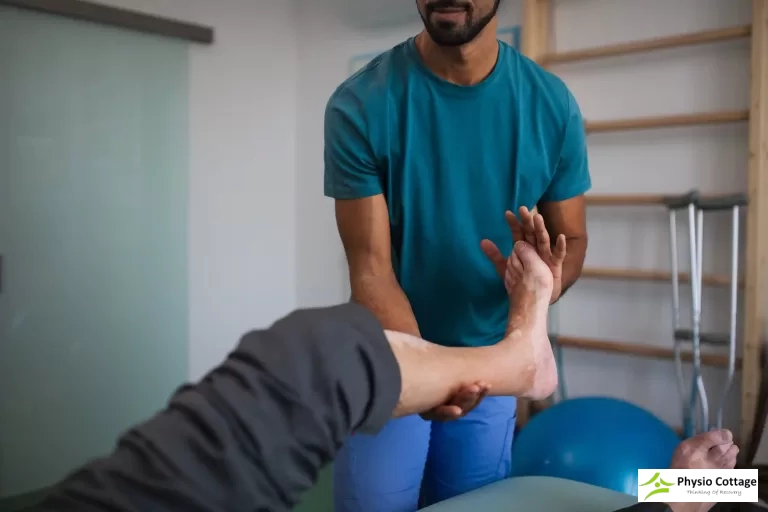
Refugee physiotherapy is rehabilitation care for people who arrive in Canada with injuries, chronic pain or reduced movement after conflict, persecution or displacement. Many patients come to us with injuries that were never treated, pain that has been ignored for years, or stiffness from long periods of travel and waiting.
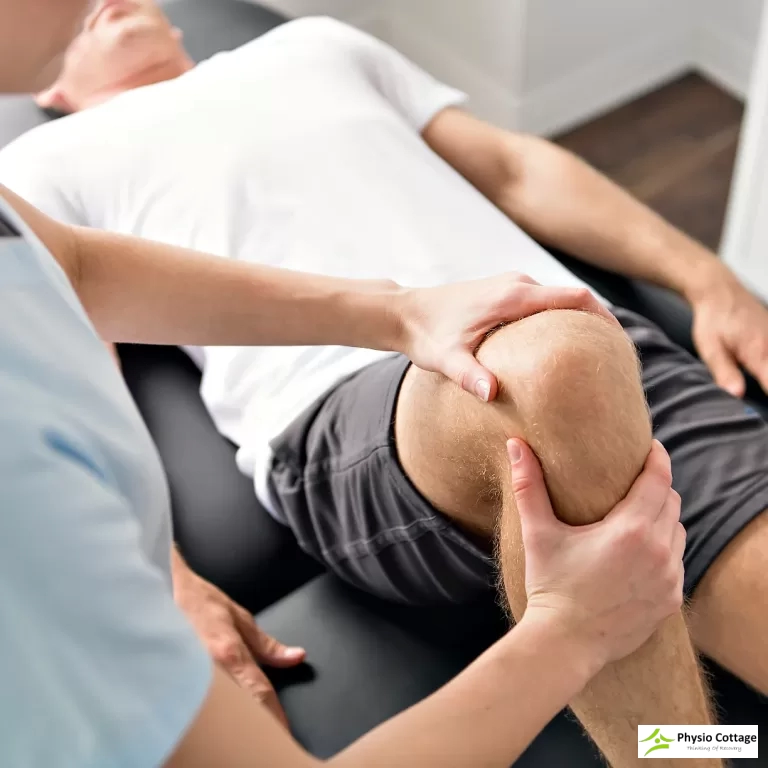
Care starts with an assessment. Your physiotherapist listens to your story, examines how you move and explains what is happening in plain language. Treatment then combines hands-on therapy, guided exercise and education so you can rebuild strength and get on with daily life, work and family in a new country.
For eligible refugees and claimants, physiotherapy at Physio Cottage is covered under the Interim Federal Health Program. We confirm your eligibility, bill the program directly for approved visits and keep the paperwork off your plate.
Why patients choose us
Refugee physiotherapy at Physio Cottage
IFHP billed directly
We check your IFHP eligibility before your first visit and bill the program for approved treatment, so you do not need to pay and claim back.
Registered physiotherapist
Your care is led by Maryam Ahankoob, a physiotherapist registered with the College of Physiotherapists of Ontario with more than 15 years of clinical experience.
A plan built around you
Every program follows an assessment of your injury, your pain and what you need to do each day, with a home exercise program you can follow between visits.
Several services under one roof
Physiotherapy can be combined with chiropractic care, massage therapy, acupuncture and orthopedic supports at the same clinic when your plan calls for it.
Clear communication
We explain each step in simple words, check that you understand your exercises and welcome a family member or friend in the treatment room if you prefer.
Easy to reach in Scarborough
The clinic is at Victoria Park and Ellesmere with easy parking, open Monday to Friday 10am to 8pm and Saturday 9am to 5pm.
Coverage
How physiotherapy is covered for refugees and refugee claimants in Ontario
If you are a refugee claimant, a resettled refugee or a protected person in Canada, your health care is usually covered by the Interim Federal Health Program, often called IFHP, until you become eligible for provincial coverage. IFHP has a basic part that covers doctors and hospitals, and a supplemental part that covers services such as physiotherapy, with limits on the number of visits and a requirement that treatment be prescribed by a doctor or nurse practitioner. Physio Cottage is registered to provide physiotherapy under IFHP and bills the program directly, so eligible patients do not pay for covered care.
The process is simpler than it sounds, and we help with every step. Many of our refugee patients arrived in Scarborough recently, speak little English, and are dealing with pain from injuries, long journeys, difficult living conditions or events before they left home. We treat them with the same care, privacy and respect as every other patient, and we take the time to explain.
1. Get a prescription
See your doctor or nurse practitioner and ask for a prescription or referral for physiotherapy that names the condition. Settlement agencies and community health centres can help you find a doctor.
2. Call or visit us
Bring your IFHP eligibility document and the prescription. We check your coverage, explain what is included and book your assessment. Bring a friend or family member to interpret if you prefer; we can also arrange phone interpretation for many languages.
3. Assessment and treatment
A full assessment and a treatment plan written for you. We submit the claim to IFHP and bill the program directly for approved visits.
4. Ongoing care
If you need more visits than the initial approval, we request them with the clinical reasons. When you become eligible for provincial coverage or an extended health plan through work, we help you understand what changes.
What we treat
Common reasons refugee patients come to our Scarborough clinic
Back, neck and joint pain
From heavy physical work, long journeys, poor sleeping conditions and old injuries that never received treatment. Assessment, hands-on care and a simple exercise program, explained clearly.
Injuries that healed badly
Fractures, sprains and wounds that were treated late or not at all, leaving stiffness, weakness and pain. Rehabilitation can still make a large difference years later.
Work related injuries in new jobs
Many newcomers start in physically demanding work. We treat the injury and, where the injury happened at work in Ontario, help you understand your rights under workplace insurance.
Chronic pain and tension
Pain that has lasted a long time and is made worse by stress, poor sleep and worry. Treated through our chronic pain approach, with patience and without judgement.
Headaches and jaw pain
Often linked to neck tension and clenching under stress. Hands-on treatment and simple exercises help, and we coordinate with your doctor.
Mobility and falls in older adults
Older family members with arthritis, weakness or balance problems. Gentle strengthening and balance work that keeps people independent at home.
Pregnancy and after birth
Back and pelvic pain during pregnancy and recovery afterwards, including pelvic floor physiotherapy in a private room, with a female physiotherapist available on request.
Children and teenagers
Sports injuries, posture problems and growth related pain, assessed with a parent present.
Recovery after illness or surgery
Rebuilding strength and movement after a hospital stay, surgery or a long illness, according to your doctor’s instructions.
How we work
Care that respects where you have come from
- Language: our team speaks several languages, and we can arrange phone interpretation for most others. Bring a family member or friend if you would like one present.
- Privacy and consent: we explain every step before it happens, and you can decline any part of an assessment or treatment. Treatment rooms are private, and you may request a female or male practitioner.
- Trauma aware care: we understand that some patients have experienced violence or loss. We go at your pace, we do not ask about your history beyond what we need for treatment, and we never pressure you.
- Clear instructions: home exercises are shown, written simply and, where possible, sent as short videos, so you can follow them at home without needing to remember English words.
- Help with the system: we help you understand what IFHP covers, what a referral is, how to reach your doctor, and what changes when you get provincial coverage.
- No cost for covered care: we bill IFHP directly. If something is not covered we tell you before, not after.
What to bring to your first visit
- Your IFHP eligibility document or certificate.
- The prescription or referral from your doctor or nurse practitioner.
- Any medical records, imaging or discharge papers you have, in any language.
- A list of medications.
- Comfortable clothing that lets us see and move the painful area.
- An interpreter if you prefer, or tell us when you book and we will arrange one where possible.
Good to know
Facts about IFHP physiotherapy that patients often do not know
- Coverage has limits. IFHP covers a set number of physiotherapy visits per prescription, with the possibility of more when there is a clinical reason. We track your visits so there are no surprises.
- A prescription is required. Unlike patients with private insurance, IFHP patients need a prescription from a doctor or nurse practitioner before physiotherapy is covered. We cannot bill without it.
- Not every clinic is registered. Only providers registered with the program can bill it. Physio Cottage is registered and has treated IFHP patients for years.
- Coverage ends when provincial coverage begins for most people, after which private physiotherapy is usually paid through an employer plan or out of pocket; some community programs offer support. We explain your options before that change happens.
- Interpretation is your right. You do not have to struggle through an appointment in a language you are still learning. Ask, and we arrange it.
- Your information is private. Your medical records are not shared with immigration authorities or anyone else without your consent, except as the law requires.
Practical questions
Questions from refugee patients and the people who support them
Do I have to pay for physiotherapy with IFHP?
No, for approved visits. We bill the program directly. If you need something that is not covered we will tell you first so you can decide.
I do not have a family doctor yet. How do I get a prescription?
Community health centres, walk-in clinics and settlement agencies in Scarborough can help you see a doctor or nurse practitioner. Any of them can write the prescription for physiotherapy.
Can my settlement worker or sponsor book for me?
Yes. We regularly work with settlement agencies, sponsors and community organizations. They can call us at (416) 445-5353 to arrange the first appointment with you.
Do you have female physiotherapists?
Yes. Tell us your preference when booking and we will arrange it.
What languages do you speak?
Our team speaks several languages in addition to English, and we can arrange phone interpretation for many others. Tell us your language when you call.
What happens when I get my provincial health card?
IFHP coverage generally ends. Physiotherapy in a private clinic is then paid by an employer or private plan, or privately. We explain the options and help you plan the end of your course so nothing is left unfinished.
Can my children be treated too?
Yes, with their own prescription and IFHP eligibility, and with a parent present at every visit.
Where is the clinic and how do I get there?
2231 Victoria Park Ave, Unit #5, Scarborough, ON M1R 1V8. The Victoria Park bus and the Lawrence East bus stop nearby, and there is parking at the door. Open Monday to Friday 10am to 8pm and Saturday 9am to 5pm.
Book your assessment
Physiotherapy covered under IFHP, explained in your language.
Call us or ask your settlement worker to call. Bring your IFHP document and your prescription, and we take care of the rest.
- Registered IFHP provider, direct billing
- Interpretation arranged, female practitioners available
- 2231 Victoria Park Ave, Unit #5, Scarborough, ON M1R 1V8
- Monday to Friday 10am to 8pm, Saturday 9am to 5pm
- On-site parking, bus stops nearby
A typical course
What refugee physiotherapy looks like in practice
Here is a typical example of the kind of case we see, with details changed. A man in his thirties arrived in Scarborough eight months ago as a refugee claimant with his wife and young daughter. He injured his shoulder years earlier and it never received treatment; now, working in a warehouse near the 401, the pain is making it hard to lift and he is afraid of losing the job. A settlement worker helps him see a nurse practitioner at a community health centre, who writes a prescription for physiotherapy, and calls us to book. At the first visit his wife interprets, and we arrange phone interpretation in his language for the parts that need precision. We explain each step before doing it. The assessment finds a stiff, weak shoulder with an old rotator cuff injury and a lot of muscle guarding, and we explain in simple terms what that means and what we will do. Treatment begins that day: hands-on work to ease the guarding, three exercises shown and recorded on his phone, and advice on lifting technique at work. We submit the claim to IFHP and bill the program directly; he pays nothing. Over eight visits his range and strength improve enough to manage his shifts comfortably, and we show him how to keep the exercises going at home. When his provincial health coverage begins, we explain what changes and help him understand his new employer’s benefits. The injury had waited years for care; the treatment itself took two months.
Glossary: terms you may hear
IFHP
The Interim Federal Health Program, which covers health care for refugees, refugee claimants and protected persons until provincial coverage begins.
Eligibility document
The paper or certificate that shows you are covered by IFHP. Bring it to every visit until your coverage changes.
Prescription or referral
A note from a doctor or nurse practitioner saying you need physiotherapy. Required for IFHP to cover treatment.
Registered provider
A clinic approved to bill IFHP directly. Physio Cottage is one.
Assessment
Your first visit, where the physiotherapist examines you, explains what is wrong and plans your treatment.
Home program
The short set of exercises you do between visits. We show them, write them simply and record them on your phone when you like.
Before your first visit
What to bring to your first refugee physiotherapy appointment
Coming to a new clinic in a new country can feel like a lot of paperwork. Bringing the right documents to your first visit means we can confirm your coverage quickly and spend the appointment on your health instead of on forms. If you are missing something, call us anyway. We will tell you what can wait and what we need first.
Your IFHP document
Bring the document that shows your Interim Federal Health Program eligibility, along with your Unique Client Identifier number. We use it to check that your coverage is active on the day of your visit.
Your referral, if you have one
Physiotherapy under the program may need a referral from a doctor or nurse practitioner. If a clinic, shelter health team or settlement worker has given you a referral or a note, bring it, even if it is handwritten.
Photo identification
Any official photo ID you have is helpful. If your documents are with a lawyer or immigration office, tell us when you book and we will explain the options.
Medical records and scans
Reports, X ray or scan results, surgery notes or hospital discharge papers, from Canada or from your home country, help us understand your history. Records in another language are still useful; bring what you have.
A list of medications
Write down any medicine you take, including medicine brought from home. Photos of the boxes or bottles on your phone are fine.
Someone you trust, if you want
You are welcome to bring a family member, friend, caseworker or interpreter into the treatment room. Tell us when you book so we can plan a little extra time.
Coverage and approvals
How approvals work, step by step
Coverage under the Interim Federal Health Program depends on your eligibility and on the program rules in place at the time of your visit. Some services need a referral, some need approval in advance, and some have limits on the number of visits before more approval is needed. These rules change from time to time, so we check them for each patient rather than relying on general information online.
We confirm eligibility
When you book, we ask for your IFHP details and check that your coverage is active. If there is a problem, we tell you before your appointment, not after.
We assess and write a plan
Your physiotherapist assesses your condition and writes a treatment plan with goals that make sense for your daily life: walking further, carrying children, returning to work or sleeping without pain.
We handle the paperwork we can
Where approval is needed, our team prepares and submits the clinical information the program asks for. You will not be asked to fill in insurance forms in English on your own.
We review progress together
At regular points we measure your progress against your goals. If more visits are needed, we explain why and request them. If you are ready to manage on your own, we give you a home programme to continue.
If your immigration status changes, for example when you become a permanent resident and move to provincial health coverage, tell us. Your coverage for physiotherapy may change, and we will help you understand what that means before your next visit.
Language and comfort
Communicating clearly in the treatment room
Good physiotherapy depends on understanding each other. You need to be able to describe your pain, and we need to be sure you understand your exercises and your plan. We speak slowly, use simple words, draw pictures and show every exercise rather than only describing it. We will check that you can do each exercise correctly before you leave, and we can write your home programme with pictures so you can follow it at home without reading long instructions.
You can ask for a physiotherapist of a particular gender, and we will do our best to arrange it. You can keep your own clothing on for most assessments, and we always explain what we are going to do before we touch you. You can say stop at any time. Many patients have been through very difficult experiences, and we never ask about your journey unless it is relevant to your health and you choose to share it.
If you have chest pain, difficulty breathing, a high fever, sudden weakness or a serious injury, go to the nearest emergency department or call 911. Emergency care does not wait for paperwork.
Common problems
Health problems we often help new arrivals with
Many patients who come to us through the program have pain that started long before they arrived in Canada. Old injuries that were never treated, long periods of walking or carrying heavy loads, sleeping on the floor, and stress all leave their mark on the body. Others develop new problems after arrival: back pain from warehouse or construction work, neck and shoulder pain from long hours at a sewing machine or a screen, or knee pain from many flights of stairs in older apartment buildings.
We also see pregnancy and postpartum pain, children and teenagers with sport injuries at new schools, and older family members who have lost strength and balance. Whatever the problem, the approach is the same: a careful assessment, an honest explanation of what we find, and a plan built around your daily life in Scarborough.
Keep reading
Related guides from our Scarborough clinic
What to expect at your first physiotherapy appointment
A simple walk through of the first visit, from questions to exercises.
What does a physiotherapist do?
A plain explanation of physiotherapy in Ontario for people new to the system.
The first 7 days after a workplace injury
What to do if you are hurt at work in Ontario, step by step.
Physiotherapy
Our main physiotherapy service for back, neck, joint and injury care.
WSIB injury care
Support for patients injured at work, including the claim process.
More answers
More questions from refugee patients
Do I need to pay anything at my visit?
When a service is covered by the program and approved where needed, the program pays the clinic directly. If anything is not covered, we tell you before treatment, never after, so you can decide.
Can my children be treated here too?
Yes. Children who are eligible under the program can be assessed and treated, with a parent or guardian present at every visit.
What if I miss an appointment?
Life during resettlement is busy and plans change. Please call us as early as you can if you cannot come, so we can offer the time to another patient and rebook you.
Can my settlement worker call you for me?
Yes, with your permission. Many of our patients are referred and supported by settlement and shelter workers, and we are happy to speak with them about scheduling and paperwork.
How do I get to the clinic?
Physio Cottage is at 2231 Victoria Park Ave, Unit #5, Scarborough, ON M1R 1V8, reachable by TTC buses along Victoria Park Avenue. There is parking at the clinic.
When are you open?
Monday to Friday 10am to 8pm and Saturday 9am to 5pm. Call (416) 445-5353 to book.
Call us and we will check your coverage first
Bring your IFHP details and we will confirm what is covered before your first visit at our Scarborough clinic.
Still wondering
A few more answers before your visit
Can I get help with forms if my English is limited?
Yes. Our team fills in the clinic and program forms with you, explains each question in simple words, and never asks you to sign something you do not understand. You can bring someone to translate, or ask a settlement worker to call us before your visit so we can prepare.
What if my pain is from an injury in my home country years ago?
That is very common, and it is still worth assessing. Old fractures that healed in a poor position, untreated sprains and long term back pain often respond to a careful exercise plan. We start where you are today and set goals that matter for your life in Canada, such as working, studying or caring for your family.
Will my information be shared with immigration authorities?
Your health information is private. We share clinical information only with the program for billing and approval, and with other health providers when you agree. Ask us anything about privacy at your first visit and we will explain it plainly.
Can I come on a Saturday?
Yes. Saturday appointments from 9am to 5pm suit many patients who study, work or attend appointments during the week.
Physio Cottage, 2231 Victoria Park Ave, Unit #5, Scarborough, ON M1R 1V8. Call (416) 445-5353.
From the blog
Guides about refugee physiotherapy from Physio Cottage
- How refugees and newcomers can access physiotherapy in Scarborough
- Do I need a referral to see a physiotherapist in Ontario?
- What to Expect at Your First Physiotherapy Appointment
- How to Check Your Insurance Coverage for Physiotherapy
Related services at the clinic: physiotherapy, massage therapy and acupuncture.
Your wellness matters to us
Book a refugee physiotherapy visit online or call the clinic. We are at 2231 Victoria Park Ave, Unit #5, Scarborough, ON M1R 1V8, open Monday to Friday 10am to 8pm and Saturday 9am to 5pm.
- Covered under IFHP for eligible patients
- IFHP paperwork handled at the clinic
- Registered physiotherapist led care
- Easy parking at Victoria Park and Ellesmere