
Can Acupuncture Help with Weight Loss?
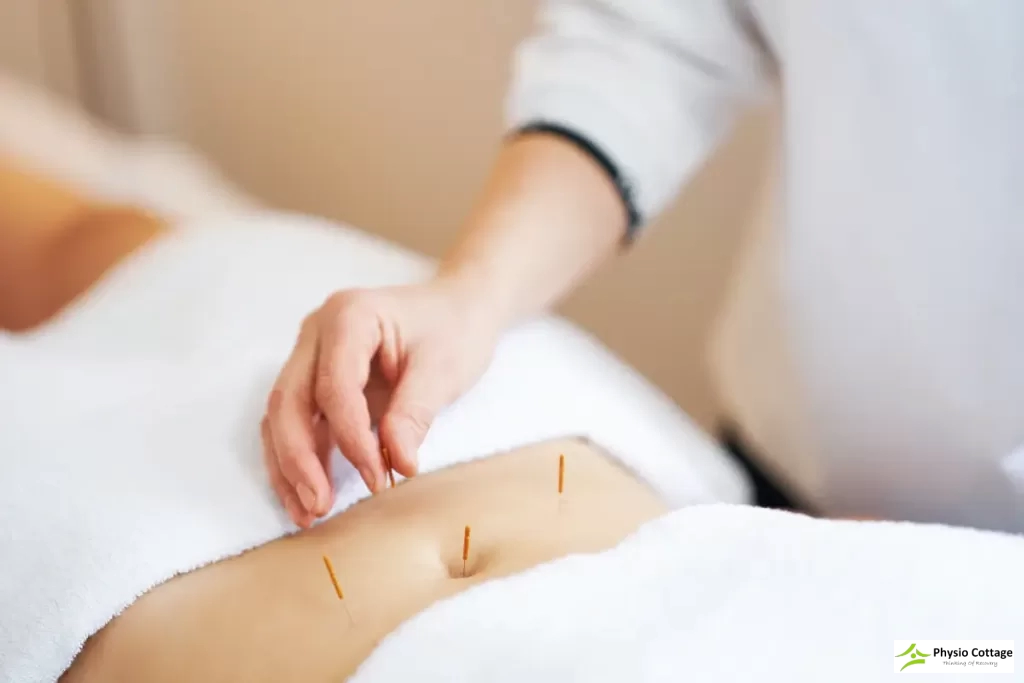
Short answer: Acupuncture is not a weight-loss treatment on its own. Some people find it helps with cravings, stress and sleep, which can make diet and exercise changes easier to keep up, but research results are mixed and any weight change tends to be modest. It fits best as one part of a wider plan. See acupuncture at Physio Cottage.
When it comes to losing weight, many of us are eager to try new, supportive methods alongside traditional approaches like diet and exercise. Acupuncture, an ancient Chinese practice that’s become widely embraced in modern wellness, is one such method drawing attention. But can those tiny needles really help you shed pounds? Let’s explore the science, the process, and what you can realistically expect from acupuncture for weight loss in this blog of Physio Cottage.
What is Acupuncture and How Does It Work?
Acupuncture is a core practice in Traditional Chinese Medicine (TCM) that involves inserting thin needles into specific points on the body. These points are believed to lie along energy channels or “meridians,” which connect different organs and systems. In TCM, stimulating these points can help balance the body’s energy flow, or “Qi,” which is thought to support overall health.
In modern terms, acupuncture is understood to impact the nervous system, releasing natural painkillers, reducing inflammation, and stimulating areas of the brain associated with relaxation. For weight loss, acupuncture is often used to help with appetite control, reduce stress, improve digestion, and balance hormones, all of which can play a role in reaching and maintaining a healthy weight.
How Can Acupuncture Support Weight Loss?
One of the most questions of our clients that want to use acupuncture service is: While acupuncture alone isn’t a magic bullet for weight loss? It may support your efforts in several important ways. Here’s how:
- Reducing Appetite and Food Cravings
Some acupuncture points are believed to help control hunger signals. For instance, the ear contains a point called the “Shen Men,” or “Spirit Gate,” which is sometimes targeted to curb cravings. By helping reduce the intensity of hunger pangs, acupuncture may make it easier to stick to your dietary goals without feeling deprived. - Managing Stress and Emotional Eating
Stress is one of the biggest culprits behind weight gain, often leading to emotional eating and cravings for comfort foods. Acupuncture has been shown to promote relaxation and lower stress hormones like cortisol. By reducing stress, acupuncture may help prevent stress-related weight gain and help you make healthier food choices. - Improving Digestion and Gut Health
Digestive health is crucial for weight loss, as poor digestion can lead to bloating, water retention, and other issues that can make losing weight challenging. Acupuncture may help support healthy digestion by stimulating the stomach and intestines, reducing bloating, and encouraging the efficient processing of food. - Balancing Hormones and Regulating Metabolism
Hormonal imbalances, such as those involving insulin or thyroid hormones, can contribute to weight gain or make weight loss difficult. While more research is needed, some studies suggest that acupuncture may help balance hormones, potentially improving metabolism and the way your body stores or uses fat. - Boosting Energy Levels
One surprising benefit of acupuncture is its potential to increase energy. By enhancing circulation and supporting adrenal health, acupuncture might help you feel more energized and motivated to exercise, which is a key component of any weight-loss plan.
What Does Research Say About Acupuncture for Weight Loss?
The research on acupuncture and weight loss is still emerging, and results so far are mixed. Where weight loss has been seen, the effect has been modest. However, many people who undergo acupuncture for weight management report positive experiences, particularly in reducing cravings and stress.
It’s worth noting that the benefits of acupuncture for weight loss are generally indirect, it may help address some of the underlying issues that lead to weight gain, such as stress, poor digestion, or hormone imbalances, rather than directly causing weight loss.
What to Expect During Acupuncture for Weight Loss
If you’re considering acupuncture for weight loss, here’s a rundown of what to expect:
- Your First Session: During your initial appointment, your acupuncturist will likely discuss your health goals, medical history, and lifestyle habits. They’ll then identify acupuncture points suited to your needs, possibly including points on your ears, abdomen, and legs.
- The Treatment Process: Acupuncture needles are very thin and usually cause minimal discomfort. Once inserted, they’re typically left in place for 20 to 30 minutes while you relax. Many people find the experience deeply calming.
- Frequency and Duration: To see results, most people need multiple sessions over weeks or months. Your acupuncturist may recommend starting with one to two sessions per week, gradually reducing the frequency as your body responds.
- Supplementary Practices: Acupuncture works best as one part of a wider weight-loss plan. Your acupuncturist might suggest dietary adjustments, stress-reduction techniques, or, with your doctor or pharmacist’s approval, herbal supplements to support the treatment’s effects.
Is Acupuncture for Weight Loss Right for You?
Acupuncture is considered safe for most people when performed by a licensed practitioner. However, it’s important to have realistic expectations. Acupuncture can be a helpful complementary therapy, but it’s not a replacement for healthy eating, exercise, and other lifestyle changes.
If you’re struggling with stress, emotional eating, or digestive issues, acupuncture may provide the support you need to stay on track with your weight-loss goals. However, the effectiveness of acupuncture can vary widely between individuals. Some may notice improvements in appetite and energy levels, while others might experience more subtle effects.
Tips for Maximizing the Benefits of Acupuncture for Weight Loss
If you’re ready to give acupuncture a try, here are a few tips to help you get the most out of your sessions:
- Choose a Qualified Practitioner: Always ensure your acupuncturist is licensed and experienced, as this ensures both safety and efficacy.
- Combine with Healthy Habits: Acupuncture tends to help more when combined with a balanced diet, regular exercise, and stress management techniques.
- Be Patient: The effects of acupuncture can take time to manifest, so don’t be discouraged if you don’t see immediate results. Weight loss is a journey, and acupuncture is one part of a larger picture.
- Stay Consistent: Regular sessions are key. Many people find that attending weekly or biweekly sessions for a few months works well.
Final Thoughts
Acupuncture offers a natural, whole-person approach to weight loss, aiming to address the underlying factors that can make losing weight challenging. While it may not lead to rapid weight loss, acupuncture can be an invaluable tool for managing stress, controlling appetite, and promoting overall wellness. If you’re interested in trying acupuncture for weight loss, consult with a licensed acupuncturist to discuss how it can fit into your weight-management plan.
Remember, weight loss is a journey that looks different for everyone, and every step toward better health counts. Embrace acupuncture as a supportive tool, stay committed to your goals, and celebrate every positive change you experience along the way.
Who should check with a doctor first
Acupuncture is generally low risk when given by a trained practitioner using sterile, single-use needles. Speak with your doctor first if you are pregnant, take blood thinners, have a bleeding disorder, have a pacemaker or other implanted device, or have a medical condition that affects your weight, such as a thyroid problem. Weight that changes quickly without a clear reason should always be checked medically.
Setting realistic goals
It helps to think of acupuncture as support for habits rather than a way to lose weight by itself. Useful goals might be fewer evening snacks, better sleep, calmer stress levels or keeping up a walking routine. Writing these down at your first visit gives you and your practitioner a clear way to review progress after a few weeks.
Any change in weight usually comes from the food, activity and sleep changes that acupuncture may make easier. A dietitian or your doctor can help with a nutrition plan that suits your health.
A simple weekly routine
- One acupuncture session a week for the first few weeks, then a review.
- Three to five walks or other activities you enjoy.
- Regular meal times with protein and vegetables at each meal.
- A wind-down routine and a consistent bedtime.
More questions about acupuncture and weight
Does ear acupuncture help with cravings?
Some people find ear points calming and say they help with cravings. Results vary, so treat it as one tool among several.
Is acupuncture for weight loss covered by benefits?
Coverage depends on your plan and on who provides the treatment. Check whether your plan covers acupuncture and what it needs for a claim.
How soon will I notice a difference?
Some people notice changes in cravings, stress or sleep within a few sessions. Others notice little. Review progress with your practitioner after four to six visits.
Related guides
- How many acupuncture sessions are needed for results?
- How acupuncture can help relieve pain
- What to know before your first acupuncture session
These guides explain how many sessions people usually need, acupuncture for pain and what to expect at a first visit.
Book your acupuncture session
Physio Cottage, 2231 Victoria Park Ave, Unit #5, Scarborough, ON M1R 1V8. Open Monday to Friday 10am to 8pm and Saturday 9am to 5pm. Direct billing where your plan allows.
- One-to-one assessment with a registered practitioner
- Evening and Saturday appointments
- Parking at Victoria Park and Ellesmere

About the author and clinical reviewer
Maryam Ahankoob, Registered Physiotherapist at Physio Cottage, 2231 Victoria Park Ave, Unit #5, Scarborough, ON M1R 1V8. Questions about this article or your own symptoms? Call (416) 445-5353 or learn more about our clinic.
This article is general information, not a diagnosis. Please book an assessment for advice about your situation.