
What to Know Before Your First Acupuncture Session
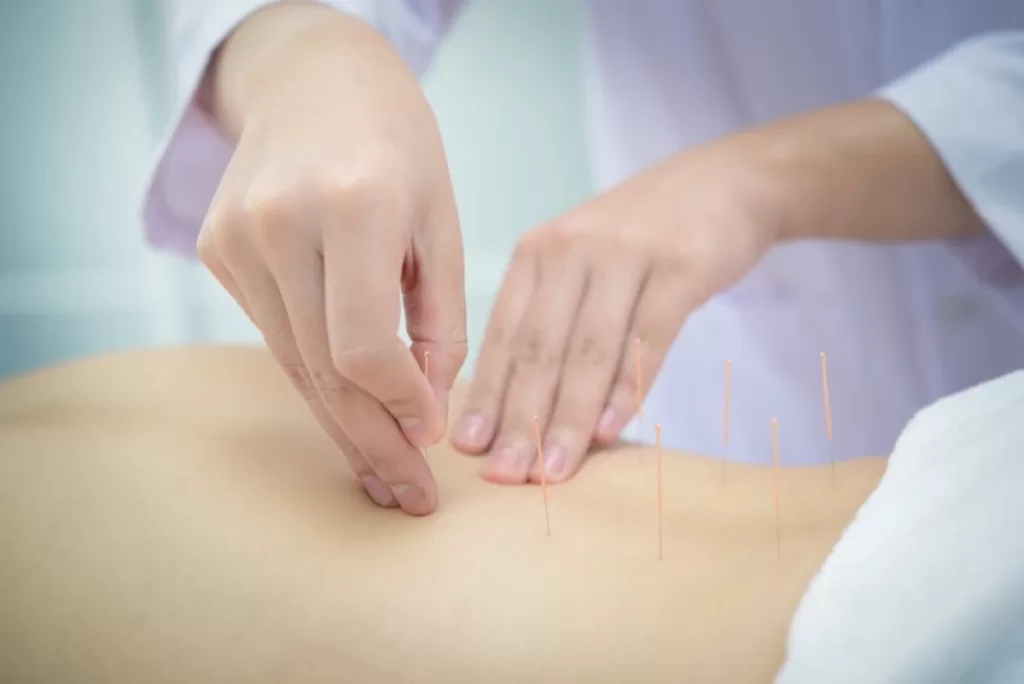
Short answer: Before your first acupuncture session, eat a light meal, wear loose clothing and bring a list of your symptoms and medications. The practitioner asks about your health, then places fine, single-use needles that most people feel as a small tap or dull ache. You then rest quietly for a while. Learn about our acupuncture service.
So, you’ve booked your first acupuncture session. That’s a big step! Maybe you’re excited, or perhaps a little unsure about what’s coming. Acupuncture has been around for centuries, helping folks with pain or stress, but walking into it for the first time can stir up questions. What’s it going to feel like? How do you get ready? This guide covers everything, what to expect at your first acupuncture session, how to prepare, and tips to make it go well. Let’s walk through it together and take the mystery out of it.
Understanding Your First Acupuncture Session
Before you head in, it’s good to know what this is all about and why people turn to it.
- What Acupuncture Is About
Acupuncture comes from Chinese medicine, going back thousands of years. It’s simple but clever, thin needles go into certain spots on your body to balance your energy, called “qi.” The idea is to help your system work smoother. In your first acupuncture session, those needles might focus on whatever’s bothering you, maybe a stiff neck or feeling worn out. It’s not a big fix all at once; it’s more like a gentle push to get things moving right. - Why People Give It a Try
Lots of folks try acupuncture for different reasons. Some have headaches that won’t quit, others deal with tight muscles or stress that keeps them up at night. A 2021 report said over 10 million adults in the U.S. have given it a go, mostly for pain, like back or joint issues, or to unwind. Maybe you’re curious, or you’ve got a specific goal. Either way, your first acupuncture session is a chance to see what it can do for you.
How to Prepare for Acupuncture First Time?
Getting ready doesn’t take much, but a few smart moves can make a difference.
- Steps Before You Go
Eat something light an hour or two before, nothing huge, just a bite like a piece of fruit or some crackers with peanut butter. You don’t want to feel stuffed, but an empty stomach might leave you woozy. Skip the coffee or energy drinks, acupuncture calms you down, so no need to be wired. How to prepare for acupuncture first time also means thinking about your health, jot down what’s going on, any meds you take, and why you’re trying it. Get there a bit early, too, so you’re not frazzled when you walk in. - What to Wear and Bring
Wear something loose and easy, pants that roll up, a shirt that lifts without fuss, since needles might go in your arms or legs. Tight clothes can wait for another day. Bring a water bottle for later, and if you like, a little notebook to write down how it feels after. Your first acupuncture session isn’t stiff or fancy, it’s about being comfortable as you are.
For Acupuncture services, Call us
What Happens During First Acupuncture Appointment?
Not sure what’s going to happen? Here’s how it usually goes.
- The Starting Talk
It kicks off with a sit-down. Your practitioner will ask about you, what’s hurting, how you’re sleeping, maybe even what you eat. They could check your pulse or glance at your tongue, it’s quick and part of their way of figuring you out. This isn’t just talk; it helps them decide where to put the needles. What happens during first acupuncture appointment feels like they’re getting to know you, because they are, it’s all about what you need. - The Needle Part Explained
Then come the needles, 5 to 20 of them, depending. You’ll settle on a table, maybe with soft music or dim lights to keep it peaceful. They’ll tap the needles in, super thin ones, not like a shot. Is acupuncture painful first time? Not really, most folks feel a little poke, like a tap, then it’s gone. Some notice a warm tingle; others don’t feel much. You’ll lie there for 15-30 minutes, just resting. It’s quiet, a chance to let go for a bit.
Acupuncture First Session Tips
A handful of tips can smooth things out, before you start and after you’re done.
- Handling Any Jitters
Feeling nervous is common, I was, too, the first time. Take a few slow breaths on your way in, and tell your practitioner if you’re uneasy, they’ve heard it before and can start slow. Don’t expect everything to change in one go; it’s a first step, not a finish line. Acupuncture first session tips mean keeping it simple, let it unfold, and see how it sits with you. If needles worry you, say so; they’ll adjust. - Taking Care After
When it’s over, don’t rush off. Skip hard workouts or big tasks that day, give yourself room to relax. Drink water to keep things flowing, and notice how you feel, some get sleepy, others perk up. A warm drink or a soak in the tub can feel nice after. What to expect at your first acupuncture session includes these small shifts, your body’s just settling into it, nothing wild.
Benefits of Your First Acupuncture Session
What might you walk away with? Here’s what could happen, now and later.
- What You Might Feel Right Away
After, you could feel a bit lighter, less stress, maybe a looser back. Some people notice less pain or tension within hours of their first try. Benefits of your first acupuncture session might show up as better sleep that night or a calm you didn’t expect. It’s a hint of what’s possible, not the whole story yet. - What Could Come with Time
One visit’s just a start. Stick with it, maybe weekly for a few weeks, and it might ease stubborn pain, help you sleep deeper, or steady your mood. Your first acupuncture session is like planting something, how it grows depends on what you put into it.
Sum Up
Your first acupuncture session doesn’t have to feel like a puzzle. With this rundown, you’ve got what you need, how it works, how to get ready, and what it might bring. It’s not about a quick cure but a chance to see what fits for you. Take these steps, talk to your practitioner, and go in with an open mind. You’re starting something new, and that’s worth thinking about as you move forward.
A simple checklist for the day
- Eat a light meal one to two hours before
- Wear loose clothing that rolls up above the knees and elbows
- Avoid alcohol and heavy caffeine beforehand
- Bring a list of medications, including blood thinners
- Arrive a few minutes early to fill in your forms
- Plan a quiet hour afterward if you can
Is acupuncture safe?
When done by a trained practitioner using sterile, single-use needles, acupuncture is considered low risk. The most common side effects are minor: a small bruise, a spot of bleeding, brief soreness, or feeling tired or light-headed afterward. Tell your practitioner if you are pregnant, have a bleeding disorder, take blood thinners, have a pacemaker or are afraid of needles, so they can adjust the treatment.
What the needles feel like
Acupuncture needles are much thinner than the needles used for injections or blood tests. Most people feel a light tap as the needle goes in, then a dull ache, warmth or heaviness around the point. This is normal. Sharp or burning pain is not; let your practitioner know right away and they will adjust or remove the needle.
After your session
- Drink water and have a light snack
- Avoid hard exercise for the rest of the day
- Notice how you feel over the next 24 to 48 hours; some people feel relaxed, others feel tired
- Keep a short note of changes in your symptoms to share at your next visit
How many sessions are usually needed?
Some people notice a change after one or two sessions, but most plans involve several visits, often weekly at first. Your practitioner will review how you respond and suggest a plan that fits your goals.
Acupuncture or dry needling?
Both use fine needles. Acupuncture comes from traditional Chinese medicine and uses points along meridians. Dry needling targets tight bands in muscles, known as trigger points. Your practitioner will explain which approach they are using and why.
More questions
Can I have acupuncture if I am afraid of needles?
Yes. Tell your practitioner. They can start with fewer needles and explain each step so you feel in control.
Is acupuncture covered by insurance?
Many extended health plans include acupuncture. Check your plan for coverage limits and who can provide the treatment.
Related guides
- Is acupuncture the same as dry needling?
- What type of needles are used in acupuncture?
- How many acupuncture sessions are needed?
Every person recovers differently, so use these guides as general information and ask your physiotherapist, chiropractor or massage therapist how they apply to you. Bring your questions to your next visit; no question about your own body and recovery is too small.
Book your acupuncture session
Physio Cottage, 2231 Victoria Park Ave, Unit #5, Scarborough, ON M1R 1V8. Open Monday to Friday 10am to 8pm and Saturday 9am to 5pm. Direct billing where your plan allows.
- One-to-one assessment with a registered practitioner
- Evening and Saturday appointments
- Parking at Victoria Park and Ellesmere

About the author and clinical reviewer
Maryam Ahankoob, Registered Physiotherapist at Physio Cottage, 2231 Victoria Park Ave, Unit #5, Scarborough, ON M1R 1V8. Questions about this article or your own symptoms? Call (416) 445-5353 or learn more about our clinic.
This article is general information, not a diagnosis. Please book an assessment for advice about your situation.