
What Are the Benefits of Physiotherapy for Seniors?
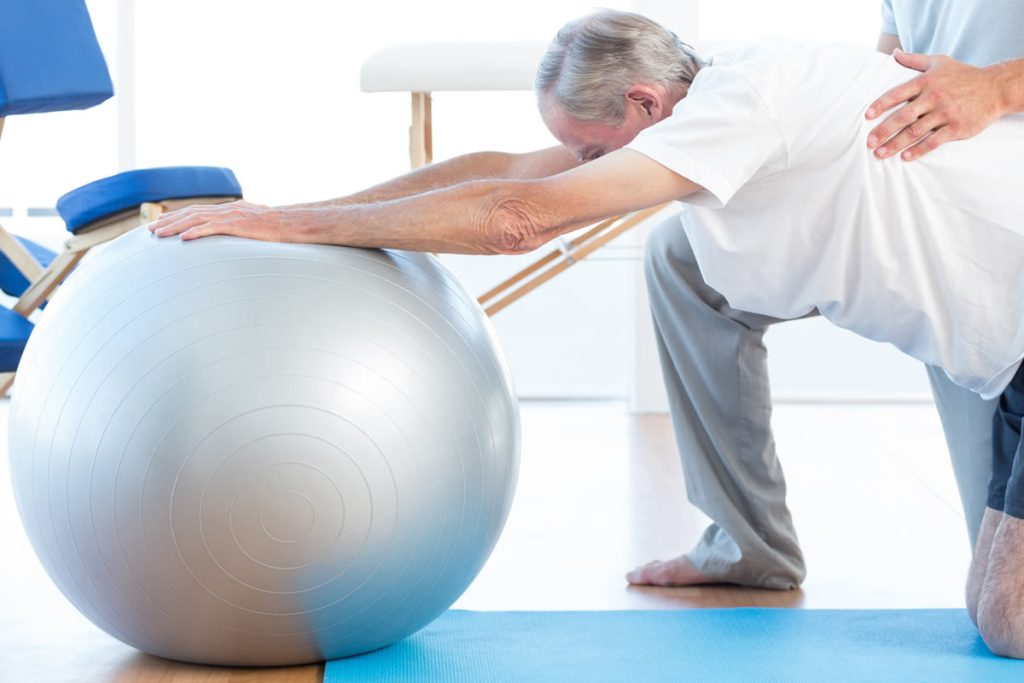
Short answer: Physiotherapy helps seniors stay mobile and independent by improving balance, strength and flexibility, easing joint pain from conditions like arthritis, and lowering the risk of falls. It also supports recovery after surgery such as a hip or knee replacement. Programs are adapted to each person’s health. Learn about physiotherapy at Physio Cottage.
Common conditions physiotherapy helps in older adults
- Osteoarthritis in the knees, hips, hands and spine
- Osteoporosis and recovery after a fracture
- Hip and knee replacement rehabilitation
- Balance problems, dizziness and fear of falling
- Back and neck pain, including spinal stenosis
- Weakness after a hospital stay or illness
- Parkinson’s disease and recovery after a stroke
- Shoulder stiffness and frozen shoulder
Simple exercises seniors can do at home
These are general examples. Your physiotherapist adjusts them to your health and ability, so check with them before starting anything new.
- Sit to stand: stand up from a firm chair without using your hands, then sit down slowly. Repeat 5 to 10 times.
- Heel raises: holding the back of a chair, rise onto your toes and lower slowly.
- Side leg lifts: holding a counter, lift one leg out to the side and back, keeping your body upright.
- Marching in place: lift your knees in turn while holding support, to build hip strength and rhythm.
- Ankle circles and shoulder rolls: gentle movements that keep joints mobile, useful in the morning.
What happens at a first visit
Your physiotherapist asks about your health, medications, past falls and the activities that matter to you, such as gardening, walking to the shops or playing with grandchildren. They test strength, balance, walking and joint movement, then explain what they found in plain language. Treatment starts on the first day and usually includes a short home program.
A fall prevention checklist for home
- Remove loose rugs and clutter from walkways
- Use night lights between the bedroom and bathroom
- Install grab bars near the toilet and in the shower
- Wear supportive shoes indoors, not slippers without backs
- Keep often-used items on shelves between waist and shoulder height
- Have your eyes and medications reviewed regularly
- Clear snow and ice from steps and use salt in winter
Family members and caregivers
Family members and caregivers are welcome to come to appointments. They can learn how to help with exercises safely, how to assist with transfers and what warning signs to watch for. This support often makes it easier to keep up with a home program.
More questions about physiotherapy for seniors
Do I need a doctor’s referral?
No. You can book directly with a physiotherapist in Ontario. Some insurance plans ask for a doctor’s note, so check your coverage.
Is physiotherapy safe if I have heart problems or osteoporosis?
Yes, when it is adapted to you. Tell your physiotherapist about every condition and medication so exercises are chosen and progressed safely.
Can I have physiotherapy if I use a walker or cane?
Yes. Physiotherapists regularly work with people who use walking aids, and can check that your aid is the right height and type.
Staying active through the seasons
Long Canadian winters make it easy to move less, and strength and balance can drop quickly after a few inactive weeks. On icy days, walk indoors at a shopping centre or a community centre track, or follow a short chair exercise routine at home. In spring and summer, regular outdoor walks, gardening and light swimming help keep joints moving. The aim is some movement every day, at a level that feels manageable.
Signs it is time to see a physiotherapist
- You have fallen, or nearly fallen, in the last year
- You hold on to furniture or walls when walking at home
- Getting up from a chair or out of bed is harder than it used to be
- Joint pain is stopping you from walking, shopping or sleeping
- You have recently come home from hospital or had surgery
- You feel unsteady when you turn around or look up
Getting help early, before a fall or a long period of inactivity, usually makes recovery easier and helps you stay independent at home for longer.
Can physiotherapy be done at a slower pace?
Yes. Sessions are paced to your energy and comfort, with rest breaks whenever you need them. Exercises start at a level you can manage and are increased gradually, so you build confidence as well as strength. Let your physiotherapist know if a day feels harder than usual, and the session can be adjusted.
For care at the clinic, see physiotherapy in Scarborough at Physio Cottage.
Related guides
- Benefits of Physical Therapy for Neurological Conditions
- Knee Pain When Walking? 7 Hidden Causes You Should Know
- Is Physiotherapy Painful? What to Expect at Every Stage of Your Recovery
Book your physiotherapy assessment
Physio Cottage, 2231 Victoria Park Ave, Unit 5, Scarborough, ON M1R 1V8. Open Monday to Friday 10am to 8pm and Saturday 9am to 5pm. Direct billing where your plan allows.
- One-to-one assessment with a registered practitioner
- Evening and Saturday appointments
- Parking at Victoria Park and Ellesmere

About the author and clinical reviewer
Maryam Ahankoob, Registered Physiotherapist at Physio Cottage, 2231 Victoria Park Ave, Unit 5, Scarborough, ON M1R 1V8. Questions about this article or your own symptoms? Call (416) 445-5353 or learn more about our clinic.