
How long does a massage take?
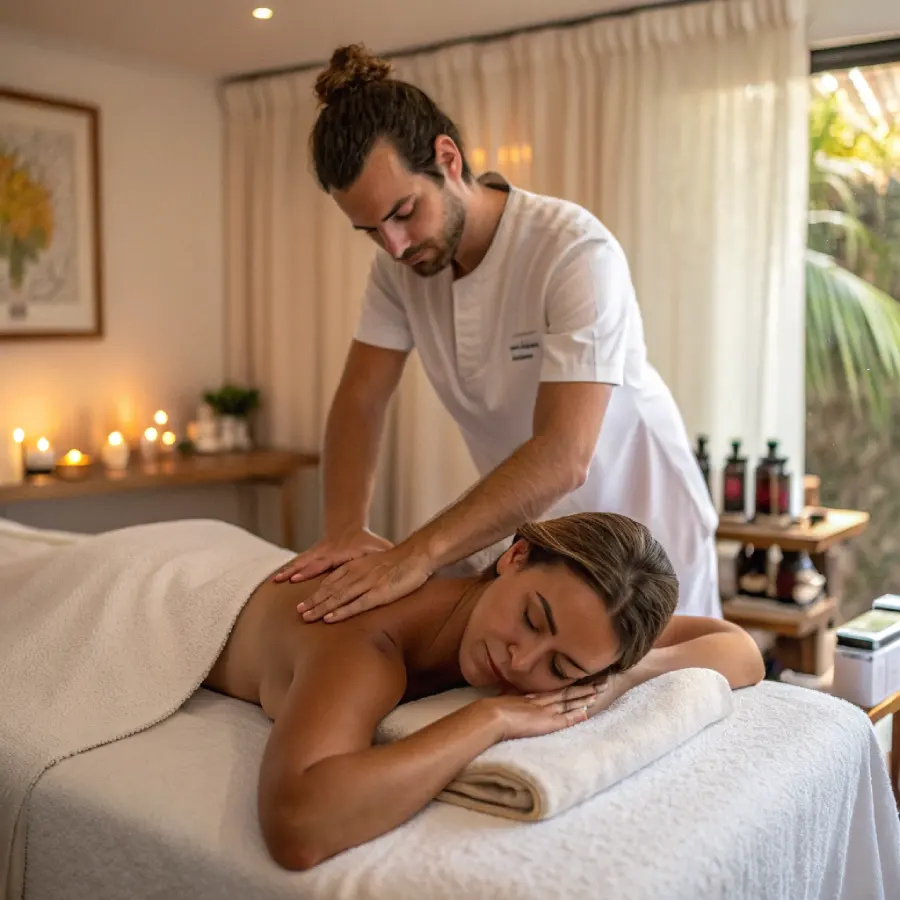
Short answer: A typical massage session lasts 60 minutes, which allows time for a full-body treatment or focused work on a few areas. Sessions can range from 30 minutes for one area to 90 minutes for deep or full-body work. The right length depends on your goals, comfort and benefits. See massage therapy at Physio Cottage.
Ever walked into a spa unsure whether a quick massage will do the trick or if you need a longer escape to truly unwind? The question “how long is a typical massage session?” is one many ask when planning self-care, and the answer can shape your entire experience. This guide explores the ins and outs of massage session lengths, offering insights to help you pick the perfect duration for your needs. From standard times to factors like health goals and massage types, we’ll cover it all. Keep reading to learn how to make every minute on the massage table count.
What Defines a Typical Massage Session Length?
The duration of a typical massage session is generally 60 minutes, a standard that balances thoroughness with convenience. 60-minute sessions are the most popular, offering therapists ample time to address key muscle groups and promote relaxation. However, session lengths can vary from 30 minutes for targeted treatments to 120 minutes for more thorough therapies.
Shorter sessions, such as 30 or 45 minutes, are designed for specific areas like the neck, shoulders, or lower back, making them ideal for busy schedules or localized pain relief. Conversely, extended sessions of 90 or 120 minutes allow for full-body treatments, deeper relaxation, and addressing chronic issues. The choice of duration hinges on your goals, whether it’s quick relief or an immersive wellness experience.
For massage therapy services, Call us
Factors Influencing Massage Session Duration
Several elements determine how long a massage session should be:
- Type of Massage: Techniques like Swedish or deep tissue may require different timeframes. For instance, a Swedish massage often fits well within 60 minutes, while deep tissue may benefit from 90 minutes to work through stubborn knots.
- Client Needs: Chronic pain or stress may necessitate longer sessions, while minor tension might be resolved in 30 minutes.
- Therapist Recommendations: A skilled therapist assesses your condition and suggests an appropriate duration.
- Budget and Time Constraints: Shorter sessions are more budget-friendly and easier to fit into a hectic day.
Pro Tip: Discuss your goals with your therapist before booking to ensure the session length aligns with your needs. For example, a 60-minute session is often sufficient for general relaxation, while 90 minutes suits those seeking deeper therapeutic work.
Exploring Common Massage Types and Their Durations
Different massage modalities have varying time requirements based on their techniques and intended outcomes. Below, we explore popular types and their typical durations to help you decide what suits you best.
Swedish Massage: The Relaxation Standard
A Swedish massage, known for its gentle, flowing strokes, typically lasts 60 minutes. This duration allows therapists to cover the entire body, promoting relaxation and improving circulation. For those with limited time, a 30-minute session can focus on high-stress areas like the back and shoulders.
- Suited to: Stress relief, improved blood flow, and general relaxation.
- Duration: 30 to 90 minutes, with 60 minutes being the most common.
Deep Tissue Massage: Targeting Chronic Tension
Deep tissue massage focuses on deeper muscle layers to alleviate chronic pain and tension. These sessions often last 60 to 90 minutes to allow therapists to work slowly and effectively on problem areas without causing discomfort.
- Suited to: Chronic pain, muscle knots, and injury recovery.
- Duration: 60 to 120 minutes, depending on the severity of tension.
Sports Massage: Enhancing Athletic Performance
Designed for athletes, sports massage combines stretching and targeted techniques to improve flexibility and prevent injuries. Sessions typically range from 45 to 90 minutes, with shorter sessions for pre-event warm-ups and longer ones for post-event recovery.
- Suited to: Athletes, active individuals, or those recovering from physical activity.
- Duration: 45 to 90 minutes.
Specialty Massages: Hot Stone, Prenatal, and More
Specialty massages, such as hot stone or prenatal massage, often require 60 to 90 minutes to maximize their unique benefits. For example, hot stone massages use heated stones to relax muscles, necessitating time for both stone application and manual techniques. Prenatal massages, designed for expectant mothers, typically last 60 minutes to ensure comfort and safety.
- Suited to: Specific needs like pregnancy or deep relaxation.
- Duration: 60 to 90 minutes.
| Massage Type | Typical Duration | Suited To |
|---|---|---|
| Swedish Massage | 30 to 90 minutes | Relaxation, stress relief |
| Deep Tissue Massage | 60 to 120 minutes | Chronic pain, muscle tension |
| Sports Massage | 45 to 90 minutes | Athletic performance, recovery |
| Hot Stone Massage | 60 to 90 minutes | Deep relaxation, muscle relief |
| Prenatal Massage | 60 minutes | Expectant mothers, comfort |
Benefits of Choosing the Right Massage Duration
Selecting the appropriate massage session length enhances both physical and mental well-being. Here’s how different durations cater to specific needs:
- 30 to 45 Minutes: Perfect for quick stress relief or targeting specific areas like the neck or lower back. Ideal for busy professionals or those new to massage therapy.
- 60 Minutes: Offers a balanced approach, addressing full-body relaxation or moderate tension. This is the most versatile option for regular maintenance.
- 90 to 120 Minutes: Provides a deeper, more immersive experience, ideal for chronic pain, stress management, or indulgent self-care.
Regular massage, whatever the length, can help many people relax, sleep better and feel calmer. Choosing the right session length ensures you reap these benefits without feeling rushed or overwhelmed.
Sum Up
Understanding how long a typical massage session lasts empowers you to make informed decisions for your wellness journey. Whether opting for a quick 30-minute session to relieve tension or indulging in a 90-minute deep tissue massage for thorough care, the right duration enhances relaxation, reduces stress, and promotes physical health. By considering factors like massage type, personal goals, and time constraints, you can customize your experience for optimal results.
Ready to book your next massage? Consult with a licensed therapist to determine the ideal session length for your needs, and start reaping the benefits of this timeless therapy. Schedule your appointment today and discover the perfect balance of relaxation and relief!
How to choose your session length
- 30 minutes: one area, such as the neck and shoulders or the lower back, or a first session if you are new to massage
- 45 minutes: two areas, or a focused treatment with time for some general relaxation
- 60 minutes: full-body massage, or deeper work on several areas
- 75 to 90 minutes: deep tissue work on chronic tension, sports recovery, or a slower full-body session
What happens in the time you book
At your first visit, a few minutes are used for the health history and a short assessment. Your Registered Massage Therapist (RMT) then explains the plan, leaves the room while you get ready, and checks pressure and comfort as they work. At the end, there is time to get dressed and talk about stretches or self-care for the coming days.
Making the most of your session
- Arrive a few minutes early so the full time is used for treatment
- Tell your RMT which areas matter most
- Speak up about pressure; it can always be adjusted
- Drink water and move gently afterwards
Session length and insurance
Extended health plans usually reimburse RMT massage up to a yearly limit, and some cap the amount per visit. Check your plan before choosing a long session, and ask the front desk to bill directly if your insurer allows it.
More questions
Is a longer massage always better?
No. A shorter, focused session can be just as useful for one tight area. Longer sessions suit full-body work or when you want time to fully relax.
How often should I book?
For an active injury, weekly visits are common at first. For general tension, every three to six weeks works for many people.
Choosing a length for your first visit
If you are new to massage or unsure what you need, a 45 or 60 minute session is a good starting point. It gives your RMT time for the health history and a short assessment and still leaves enough treatment time to address one or two problem areas. After the first visit, your therapist can suggest whether shorter, focused sessions or longer ones suit your goals.
For pregnancy, older adults or people new to deeper pressure, shorter sessions can also be more comfortable. You can always book a longer session later once you know how your body responds.
Ready to book a massage? Physio Cottage, 2231 Victoria Park Ave, Unit #5, Scarborough, ON M1R 1V8. Call (416) 445-5353 or book online. Mon to Fri 10am to 8pm, Sat 9am to 5pm.
Related guides
- The difference between RMT and spa massages
- Do I need to prepare anything before a massage?
- Is massage therapy covered by insurance?
Every person recovers differently, so use these guides as general information and ask your physiotherapist, chiropractor or massage therapist how they apply to you. Bring any questions you have to your next visit; there is no such thing as a silly question when it comes to your own body and recovery.

About the author and clinical reviewer
Maryam Ahankoob, Registered Physiotherapist at Physio Cottage, 2231 Victoria Park Ave, Unit #5, Scarborough, ON M1R 1V8. Questions about this article or your own symptoms? Call (416) 445-5353 or learn more about our clinic.
This article is general information, not a diagnosis. Please book an assessment for advice about your situation.