Is it safe to have a massage if you have a heart condition?
Short answer: Massage is often safe for people with a stable, well-managed heart condition, as long as the therapist knows your history and uses gentle techniques. Check with your doctor first if you have had recent heart surgery, take blood thinners or have unstable symptoms. Tell your Registered Massage Therapist about every condition and medication.
For many people living with a heart condition, massage feels like an unanswered question, something that sounds beneficial but comes with enough uncertainty to hold them back. The good news is that for most heart conditions, massage is not only safe but genuinely supportive of cardiovascular health.
Massage can help many people relax, which may ease stress and muscle tension. That said, safety depends heavily on your specific condition, the type of massage, and whether your care team has given the green light.At Physio Cottage, our registered massage therapists in Scarborough are trained to work safely with clients managing cardiovascular conditions.
In this guide, we cover when massage is safe, when it isn’t, and exactly what to discuss with your doctor before booking.
Understanding Massage Safety with Heart Conditions
When it comes to massages, safety isn’t a blanket answer, it varies with your health.
- Types of Heart Conditions in Focus
Heart conditions come in many forms. Maybe you’re dealing with an irregular rhythm like atrial fibrillation, or perhaps it’s heart failure or a recent procedure. Some of you might have pacemakers or take blood-thinning medications. Each scenario shapes massage safety with heart conditions differently. For instance, uncontrolled hypertension could make heavy pressure a bad idea. Knowing your specific situation is the starting point. - How Massages Impact Your Body
A massage does more than feel good, it shifts things around inside. It boosts blood flow and eases tension, which can be wonderful. But for someone with a heart condition, that movement could pose challenges. Take a clot risk in atrial fibrillation, rubbing too hard might set it loose. That’s why understanding how to safely get a massage with a heart condition begins with recognizing what your body can handle.
Benefits of Massage for Heart Conditions
Beyond relaxation, massages can offer real support for your heart. Here’s how.
- Reducing Stress and Blood Pressure
Stress puts your heart through the wringer, spiking blood pressure and taxing your system. Fortunately, massages can help unwind that tension. Lower stress is one of the benefits of massage for heart conditions that people describe most often. A calmer mind often means a steadier heart. - Enhancing Circulation and Recovery
Massages get your blood moving, delivering oxygen and nutrients where they’re needed most. For those recovering from a heart event, this can lighten the load on your heart. Research also highlights how massage therapy after heart surgery can ease anxiety and aid healing. It’s a gentle way to support your body’s comeback.
For Massage Therapy services, Call us
Precautions for Massage with Heart Disease
Safety comes first, and sometimes that means stepping back from the massage table.
- When to Avoid It
If you’ve had a recent heart attack or have blood clots, a massage could be risky, pressure might dislodge something dangerous, like a clot that could lead to a stroke. On blood thinners? Deep work might leave marks. Precautions for massage with heart disease can mean passing altogether if your doctor advises against it. - Consulting Your Doctor and Therapist
Before you book that appointment, have a word with your cardiologist. Ask directly, “Is massage safe for heart patients in my shoes?” Then, share the details with your therapist, mention any devices or sensitive spots like surgical scars. Clear communication keeps you in good hands.
Massage Therapy After Heart Surgery
Wondering about massages post-operation? Let’s look closer.
- Timing It Right
After surgery, patience is key. Wait for your doctor’s approval, often a few weeks, depending on your recovery. Light techniques like Swedish massage are usually best, avoiding the chest if it’s still healing. Gentle massage therapy after heart surgery may ease stress and discomfort once your care team approves it. - An example
For example, someone recovering from bypass surgery would wait for their doctor’s approval, then start with short, gentle sessions. This shows how to safely get a massage with a heart condition: it’s about timing and care.
How to Safely Get a Massage with a Heart Condition
If you’re ready to try, here’s how to make it work for you.
- Finding the Right Therapist
Look for a licensed professional with experience in medical cases, they’ll understand precautions for massage with heart disease. Ask about their background with heart patients and be upfront about your health. - Choosing Safe Techniques
Opt for gentle styles like Swedish or lymphatic massage, they boost circulation without overdoing it. Steer clear of deep tissue if you’re on thinners or have delicate veins. Curious if massage can help heart health? It can, when matched to your needs.
Sum Up
So, is it safe to have a massage with a heart condition? For many, the answer is yes, massage safety with heart conditions hinges on taking the right steps. It can ease stress, improve circulation, and support recovery, but your doctor’s guidance is essential. Whether you’re exploring the benefits of massage for heart conditions or considering massage therapy after heart surgery, prioritize your health above all. Reflect on what you’ve learned here, and proceed with care.
Questions to ask before you book
- Has my doctor or cardiologist cleared me for massage?
- Does the massage therapist know my diagnosis, medications and any devices, such as a pacemaker?
- Should the session be shorter or lighter at first?
- Which positions are comfortable and safe for me?
How a massage therapist adapts treatment
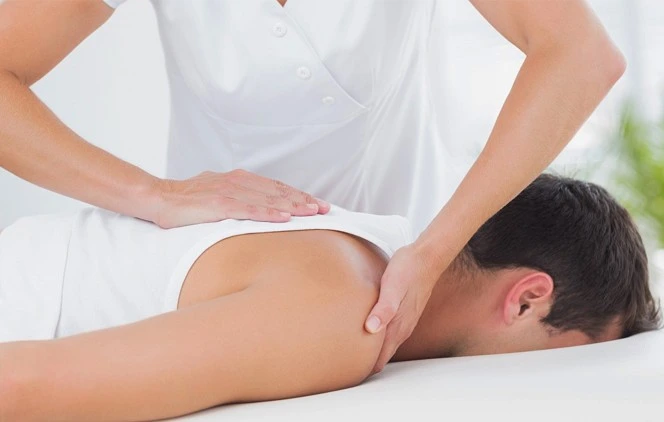
A Registered Massage Therapist (RMT) reviews your health history before every first visit. For heart conditions, they may use lighter pressure, shorter sessions, a semi-reclined position instead of lying flat, and avoid deep work on the legs if you have a history of blood clots. They will also avoid the chest area and any incisions while you are healing after surgery.
Blood thinners, pacemakers and blood pressure
- Blood thinners: bruising is more likely, so pressure stays lighter.
- Pacemakers or implanted devices: the area over the device is avoided, and heat or electrical tools are not used nearby.
- High or low blood pressure: your therapist may check how you feel during the session and help you sit up slowly at the end.
When to stop and get help
Stop the massage and seek medical help right away if you have chest pain, shortness of breath, a racing or irregular heartbeat, dizziness or fainting. Call 911 for emergency symptoms.
More questions
Can massage lower stress for people with heart disease?
Many people find massage relaxing, and lower stress can be part of a heart-healthy routine. It supports, but does not replace, your medical treatment.
How soon after heart surgery can I have a massage?
Wait until your surgeon or cardiologist says it is safe, and start with short, gentle sessions away from the incision.
What to tell your massage therapist
Good communication is the most important safety step. Before your session, share:
- Your diagnosis, such as high blood pressure, heart failure, a past heart attack or an arrhythmia
- Any procedures or surgeries, with dates
- Every medication, including blood thinners and blood pressure tablets
- Devices such as a pacemaker or defibrillator
- How you feel today, including any new symptoms
During the session, say right away if you feel light-headed, short of breath or uncomfortable in any position. Your RMT can change the position, reduce pressure or stop the session.
After your massage
Sit up slowly and take a moment before standing, especially if you take blood pressure medication. Drink water, keep to your usual medication schedule and take a gentle walk later in the day if you feel well. Mild muscle soreness can happen; it usually fades within a day or two. Contact your doctor if you notice anything unusual, such as swelling in one leg or new chest discomfort.
If you are unsure whether massage suits you right now, call the clinic first; our team can talk you through what to bring and what to ask your doctor before booking.
Related guides
- The difference between RMT and spa massages
- How long is a typical massage session?
- Is massage therapy covered by insurance?
Every person recovers differently, so use these guides as general information and ask your physiotherapist, chiropractor or massage therapist how they apply to you. Bring any questions you have to your next visit; there is no such thing as a silly question when it comes to your own body and recovery.
Book your massage therapy appointment
Physio Cottage, 2231 Victoria Park Ave, Unit #5, Scarborough, ON M1R 1V8. Open Monday to Friday 10am to 8pm and Saturday 9am to 5pm. Direct billing where your plan allows.
- One-to-one assessment with a registered practitioner
- Evening and Saturday appointments
- Parking at Victoria Park and Ellesmere

About the author and clinical reviewer
Maryam Ahankoob, Registered Physiotherapist at Physio Cottage, 2231 Victoria Park Ave, Unit #5, Scarborough, ON M1R 1V8. Questions about this article or your own symptoms? Call (416) 445-5353 or learn more about our clinic.
This article is general information, not a diagnosis. Please book an assessment for advice about your situation.