
Is Massage Therapy Suitable for Pregnant Women?
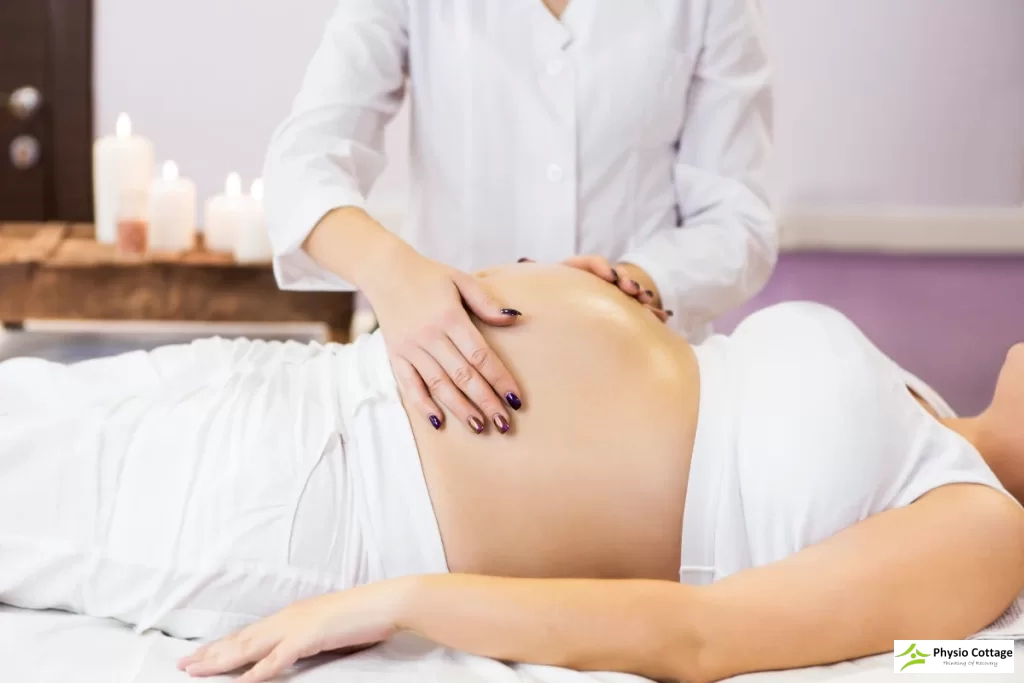
Short answer: For most healthy pregnancies, massage therapy is suitable when it is given by a registered massage therapist trained in prenatal care, usually from the second trimester, with side-lying positioning and gentle pressure. Check with your doctor or midwife first, especially if your pregnancy is high risk. See massage therapy at Physio Cottage.
Pregnancy often brings joy, and plenty of aches. Back pain is one of the most common complaints in pregnancy. Swollen feet, tight hips, and restless nights can make the journey to motherhood feel like a marathon. For many, massage therapy for pregnant women seems like a natural solution to ease these discomforts, but is it truly safe and suitable during pregnancy? This article explores the ins and outs of prenatal massage, from its benefits to safety precautions and good practice. Whether you’re an expecting mother or supporting one, we’ll guide you through making informed decisions. Keep reading to learn how massage therapy can safely fit into your prenatal care routine.
What Is Massage Therapy and Why Consider It During Pregnancy?
Massage therapy involves the skilled manipulation of muscles and soft tissues to relieve tension, improve circulation, and promote relaxation. It’s a practice that’s been used for centuries across cultures to address physical discomfort and mental stress. For pregnant women, massage therapy takes on a specialized form, often called prenatal massage, that’s adapted to the needs of expecting mothers. This includes addressing common issues like lower back pain, leg swelling, and the emotional rollercoaster that often accompanies pregnancy.
Pregnancy brings a host of physical challenges: hormonal shifts, increased weight, and postural changes can strain muscles and joints. Many pregnant women also report sleep disturbances as their pregnancy progresses. These discomforts make massage therapy for pregnant women an appealing option, promising relief without medication. However, understanding what makes it safe and effective is crucial before diving in, as not all massage techniques are appropriate during pregnancy.
For Massage Therapy services, Call us
Is Massage Therapy Safe for Pregnant Women? Understanding the Concerns
Safety Considerations for Expecting Mothers
The safety of massage therapy during pregnancy depends on several factors, including the trimester, the mother’s health, and the therapist’s expertise. In the first trimester, some experts advise caution due to the risk of miscarriage, though there’s no direct scientific evidence linking massage to such outcomes. Miscarriages in early pregnancy are often tied to chromosomal issues rather than external factors like massage, but it’s still wise to consult your healthcare provider before proceeding. High-risk pregnancies, such as those involving preeclampsia or preterm labour risks, may also require extra precautions or avoidance of massage altogether.
Risks and Precautions to Understand
Improper techniques can pose risks during pregnancy. For instance, excessive pressure on certain areas, like the abdomen, or deep tissue methods may cause discomfort or, in rare cases, stimulate contractions. Some traditional beliefs suggest that pressure points on the lower back or ankles might induce labour, though modern research hasn’t confirmed this. Pregnant women should also steer clear of hot stone massages, saunas, or intense techniques unless explicitly approved by a doctor. Positioning is another concern: lying flat on your back after the first trimester can compress major blood vessels, potentially reducing circulation to the baby. A skilled prenatal therapist will use side-lying positions or specialized tables to ensure safety and comfort.
How to Safely Incorporate Massage Therapy into Pregnancy
Step 1: Consult Your Healthcare Provider
Before booking a session, speak with your obstetrician or midwife. They can assess your pregnancy stage, medical history, and any conditions, like gestational diabetes or high blood pressure, that might affect the safety of massage therapy. This step ensures you’re cleared for treatment and can proceed with peace of mind.
Step 2: Choose a Certified Prenatal Massage Therapist
Not all massage therapists are trained for pregnancy. Look for professionals with prenatal massage certification, as they understand the anatomical changes and safety protocols required. They’ll position you safely, often on your side with pillows for support, and avoid risky techniques. The American Massage Therapy Association (AMTA) offers directories to find qualified therapists near you.
Step 3: Opt for Gentle and Suitable Techniques
Swedish massage, which uses light to moderate pressure to boost circulation, is often recommended for pregnant women. Techniques like effleurage (long, gliding strokes) can soothe sore muscles without overwhelming the body. Always communicate with your therapist about your comfort level and specific concerns, such as sciatica pain or swollen feet, so they can tailor the session accordingly.
Step 4: Timing and Frequency
For most women, starting massage therapy in the second trimester is ideal, as nausea and fatigue often subside. Sessions of 30 to 60 minutes every two to three weeks can provide consistent relief without overdoing it. As you approach the third trimester, weekly sessions might help manage increasing discomfort, but always check with your doctor as your due date nears.
Benefits of Massage Therapy for Pregnant Women
When done correctly, massage therapy offers numerous benefits for expecting mothers. Many women find prenatal massage helps them relax, ease muscle tension and sleep better. Beyond the numbers, many women report feeling more relaxed and connected to their changing bodies, an emotional boost that’s hard to quantify.
- Pain Relief: Eases lower back pain, hip discomfort, and leg cramps, which often intensify in the third trimester.
- Improved Circulation: Reduces swelling (edema) in hands, feet, and ankles by promoting blood flow.
- Stress and Anxiety Reduction: Lowers stress levels, benefiting both mother and baby by creating a calmer environment.
- Better Sleep Quality: Helps combat insomnia, a common complaint as pregnancy progresses and physical discomfort grows.
- Enhanced Mobility: Loosens tight muscles, making daily movements easier despite a growing belly.
Physically, massage can alleviate the strain of carrying extra weight, while emotionally, it provides a much-needed hour of self-care. With proper precautions, these benefits can make a significant difference in the pregnancy experience.
Common Mistakes to Avoid and FAQs About Prenatal Massage
Mistakes to Avoid When Seeking Prenatal Massage
- Skipping Medical Advice: Never bypass consulting your doctor, especially if you have a high-risk pregnancy.
- Choosing an Untrained Therapist: A lack of prenatal training can lead to unsafe practices or discomfort.
- Ignoring Your Body’s Signals: If something feels off during a session, speak up immediately, don’t push through pain.
Comparison Table: Prenatal vs. Regular Massage
| Aspect | Prenatal Massage | Regular Massage |
|---|---|---|
| Positioning | Side-lying with support | Often face-down on table |
| Pressure | Light to moderate, safety-focused | Can include deep tissue |
| Therapist Training | Requires prenatal certification | General massage training |
Conclusion: Should Pregnant Women Try Massage Therapy?
Massage therapy can be a valuable tool for pregnant women, offering relief from physical and emotional strain when approached with care. By consulting your doctor, choosing a certified therapist, and sticking to gentle techniques, you can safely enjoy its benefits. From easing back pain to improving sleep and reducing stress, massage therapy for pregnant women has the potential to enhance your pregnancy journey. Ready to explore this option as part of your prenatal care? Start by discussing it with your healthcare provider today.
Frequently Asked Questions About Prenatal Massage
Can massage therapy induce labour?
There’s no solid evidence that massage directly induces labour, but avoid pressure points traditionally linked to contractions as a precaution.
Are essential oils safe during prenatal massage?
Some oils, like lavender or chamomile, are generally safe, but others may be harmful, always confirm with your therapist and doctor.
Is massage therapy safe in the third trimester?
Yes, when adapted to your needs and approved by your healthcare provider, it can be especially helpful for late-pregnancy discomforts.
How often should I get a prenatal massage?
Every two to three weeks is common, though some women opt for weekly sessions closer to their due date with medical approval.
What to tell your massage therapist
Before your first prenatal massage, share how many weeks pregnant you are, any complications such as high blood pressure, bleeding or placenta concerns, swelling in one leg, and any areas that feel tender. Let your therapist know straight away if you feel dizzy, short of breath or uncomfortable in any position.
Positions and comfort
From the second trimester, most prenatal massage is given with you lying on your side, supported by pillows under your head, belly and between your knees. Some clinics also use a seated position for the neck and shoulders. Lying flat on your back for long periods is usually avoided later in pregnancy.
Massage after your baby arrives
Postnatal massage can help with neck, shoulder and back tension from feeding and carrying. Most people can return once they feel ready, with clearance from their doctor or midwife after a caesarean birth.
Can my partner learn massage techniques for home?
Yes. Ask your therapist to show a few gentle strokes for the lower back and shoulders that are safe during pregnancy.
Related guides
- Physiotherapy for pregnant women
- Is acupuncture safe during pregnancy?
- Pelvic floor physiotherapy after childbirth
These guides cover other treatments during pregnancy and recovery after birth.
Book your massage therapy appointment
Physio Cottage, 2231 Victoria Park Ave, Unit #5, Scarborough, ON M1R 1V8. Open Monday to Friday 10am to 8pm and Saturday 9am to 5pm. Direct billing where your plan allows.
- One-to-one assessment with a registered practitioner
- Evening and Saturday appointments
- Parking at Victoria Park and Ellesmere

About the author and clinical reviewer
Maryam Ahankoob, Registered Physiotherapist at Physio Cottage, 2231 Victoria Park Ave, Unit #5, Scarborough, ON M1R 1V8. Questions about this article or your own symptoms? Call (416) 445-5353 or learn more about our clinic.
This article is general information, not a diagnosis. Please book an assessment for advice about your situation.