
How Can Physical Therapy Help Parkinson’s Disease?
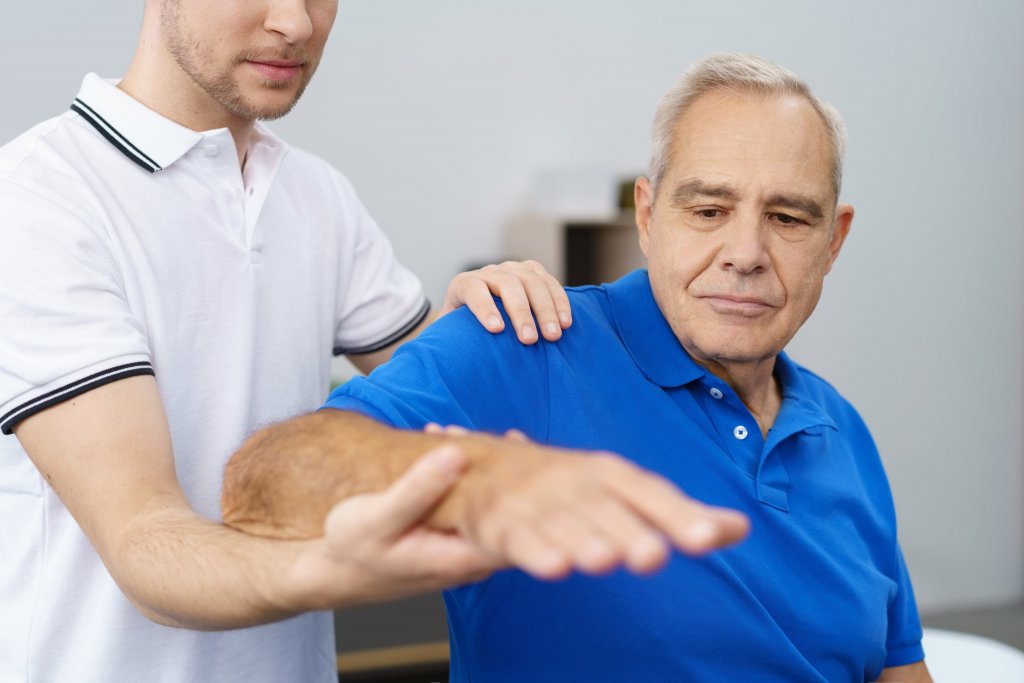
Short answer: Physiotherapy can help people with Parkinson’s disease keep moving, walk with longer and steadier steps, improve balance and lower the risk of falls. Programs use large, deliberate movements, strength and stretching work, cueing strategies for freezing, and practice of daily tasks. Starting early and staying active both matter. Learn about physiotherapy at Physio Cottage.
Parkinson’s disease (PD) is a chronic, progressive neurological disorder that affects movement, causing tremors, stiffness, and impaired coordination. While there is no cure for Parkinson’s, physical therapy (PT) plays an essential role in improving the symptoms and enhancing the quality of life for those living with this condition. By focusing on movement, balance, strength, and flexibility, physical therapy helps patients maintain their independence and functionality for as long as possible. This article from Physio Cottage explores the ways physical therapy can benefit individuals with Parkinson’s disease.
What Is Parkinson’s Disease and How Does It Impact the Body?
Parkinson’s disease is caused by the degeneration of dopamine-producing neurons in the brain, leading to a reduction in dopamine levels. Dopamine is essential for controlling and coordinating muscle movements. As dopamine levels decrease, individuals experience the hallmark symptoms of Parkinson’s disease, including:
- Tremors (shaking, usually starting in one hand)
- Bradykinesia (slowness of movement)
- Muscle rigidity (stiffness in muscles, making movement difficult)
- Postural instability (impaired balance and coordination)
- Gait abnormalities (shuffling walk, difficulty starting or stopping walking)
These symptoms progressively worsen over time, leading to greater difficulty with daily tasks, a reduced range of motion, and an increased risk of falls. While medications and surgical treatments help manage these symptoms, physical therapy is crucial in maintaining mobility and quality of life.
For Physiotherapy services, Call us
How Does Physical Therapy Improve Mobility in Parkinson’s Disease?
One of the most significant effects of Parkinson’s disease is impaired mobility. Physical therapy aims to restore and preserve functional movement in individuals with PD by:
- Increasing Muscle Strength: Strengthening the muscles is crucial to counteract the effects of muscle rigidity and prevent the deterioration of muscle function.
- Enhancing Flexibility: Regular stretching exercises can help reduce stiffness, allowing for a wider range of motion and improved mobility.
- Targeting Motor Skills: Specific exercises are designed to improve fine motor skills, making it easier to perform everyday tasks such as buttoning a shirt or picking up objects.
- Improving Coordination: PT can help retrain the brain to better coordinate movements, improving overall motor control and fluidity of movement.
A personalized physical therapy plan can target specific movement impairments, ensuring that patients remain as mobile and independent as possible.
✔️ Also read: How Does Physiotherapy Help Improve Sleep Quality?
What Are the Key Benefits of Physical Therapy for Parkinson’s Disease?
Physical therapy offers several key benefits that directly impact the quality of life for individuals living with Parkinson’s disease:
- Improved Gait and Walking: PT helps improve walking patterns, increases walking speed, and enhances stride length. This is critical for reducing shuffling gait and preventing falls.
- Better Balance and Posture: Exercises focusing on balance and posture help reduce the risk of falls, a common concern for those with Parkinson’s. Strengthening the core and lower body muscles is essential to prevent postural instability.
- Reduced Muscle Rigidity and Pain: Muscle stiffness and pain are common in PD, and physical therapy can alleviate these symptoms by focusing on joint mobility and muscle relaxation techniques.
- Increased Independence: By improving mobility, balance, and strength, physical therapy helps patients maintain independence in daily activities like dressing, walking, and even managing personal hygiene.
Together, these benefits help Parkinson’s patients feel more confident, independent, and capable of managing their condition in a practical way.
How Does Physical Therapy Reduce the Risk of Falls in Parkinson’s Disease?
Falls are a leading cause of injury and disability for individuals with Parkinson’s disease. Impaired balance and coordination often lead to unsteady movements, putting people at greater risk of falling. Physical therapy directly addresses fall prevention through:
- Balance Training: Physical therapists use specialized exercises to enhance balance and stability. These exercises may include standing on one leg, using balance boards, practicing weight-shifting movements.
- Posture Correction: Postural exercises focus onand correcting abnormal posture, which is common in Parkinson’s disease. A hunched posture or forward lean can make it harder to maintain balance and increases the likelihood of falls.
- Strengthening Lower Body Muscles: Building strength in the legs and core helps individuals better control their movements, making it easier to maintain stability during daily activities such as walking or standing up.
- Gait Training: Techniques like walking with a metronome or using visual cues help retrain the brain to move more efficiently, reducing the chance of stumbling or losing balance.
By incorporating fall prevention strategies into physical therapy, individuals with Parkinson’s disease can reduce their fall risk and stay safer in their daily environments.
What Specific Physical Therapy Techniques Are Used for Parkinson’s Disease?
Physical therapists utilize various specialized techniques to address the symptoms of Parkinson’s disease. Some of the most common interventions include:
- Strengthening Exercises: Targeted exercises such as weight training, resistance bands, and bodyweight movements help build muscle strength, reduce rigidity, and improve overall function.
- Balance and Coordination Exercises: These exercises focus on improving posture, stability, and body awareness. Patients may use tools like stability balls, balance boards, and walking aids to improve their balance and coordination.
- Gait Training: To address walking difficulties, physical therapists may use cueing techniques, like rhythmic auditory stimulation (metronome) or visual cues (walking along a line), to help improve stride length, speed, and movement patterns.
- Stretching and Flexibility: Stretching exercises help reduce muscle stiffness, which can limit range of motion and mobility. Stretching also prevents joint contractures, which can occur due to prolonged muscle rigidity.
These specialized techniques are adapted to the individual needs of each patient, addressing the symptoms that impact them most.
Can Physical Therapy Improve Cognitive and Emotional Well-Being?
While the primary focus of physical therapy is physical function, it also offers cognitive and emotional benefits for individuals with Parkinson’s disease:
- Mood Improvement: Regular physical activity, including physical therapy, stimulates the release of endorphins (the body’s natural “feel-good” hormones), which can help reduce depression and anxiety.
- Cognitive Benefits: By improving motor control and enhancing coordination, physical therapy can also have positive effects on cognitive function. The physical exercises help the brain maintain its connection to muscle control, which can indirectly benefit cognitive performance.
- Reduced Frustration and Fatigue: Achieving improvements in mobility and strength through physical therapy can reduce the frustration of losing independence. Patients often experience a sense of empowerment and accomplishment, which improves their emotional well-being.
In this way, physical therapy not only addresses the physical symptoms of Parkinson’s but also improves mental health and emotional resilience.
When Should Physical Therapy Begin for Parkinson’s Disease?
The earlier physical therapy is started in the progression of Parkinson’s disease, the better. Early intervention can help individuals maintain their mobility and slow the progression of symptoms. In the early stages, PT can focus on strength training, flexibility exercises, and gait training.
However, physical therapy remains beneficial at all stages of Parkinson’s. For individuals in later stages, PT focuses more on fall prevention, postural control, and maintaining the ability to perform daily tasks. Regardless of the stage, starting physical therapy early helps you stay active for longer.
How Can Physical Therapy Be Part of a Parkinson’s Disease Treatment Plan?
Physical therapy works well when integrated into a multidisciplinary approach to Parkinson’s disease treatment. In addition to PT, people with Parkinson’s often benefit from:
- Medications: Dopamine-boosting drugs like levodopa help manage symptoms, but they are not a cure.
- Speech Therapy: Addresses speech and swallowing difficulties that often accompany Parkinson’s disease.
- Occupational Therapy: Focuses on improving fine motor skills and helping individuals perform daily activities with ease.
By working alongside neurologists, speech therapists, occupational therapists, and other healthcare providers, physical therapists create a whole-person treatment plan that addresses both the physical and emotional needs of individuals with Parkinson’s.
Sum Up
Physical therapy is a cornerstone of Parkinson’s disease management, playing a vital role in improving mobility, preventing falls, and enhancing overall quality of life. By focusing on strength, balance, flexibility, and coordination, physical therapy helps people with Parkinson’s disease maintain their independence and continue to lead fulfilling lives.
If you or someone you know is living with Parkinson’s disease, seeking the guidance of a physical therapist can be a useful step toward better movement, improved well-being, and long-term health.
For personalized physical therapy, we at Physio Cottage are here to help. Our physiotherapists help people with Parkinson’s disease management and offer personalized treatment plans to improve mobility, reduce symptoms, and enhance overall quality of life
More questions about Parkinson’s and physiotherapy
How often should I exercise with Parkinson’s?
Most people benefit from regular movement on most days of the week, combining walking or cycling, strength work, stretching and balance practice. Your physiotherapist can set a routine that suits your energy and symptoms.
Can family members join sessions?
Yes. A family member or caregiver can learn cueing strategies and safe ways to help with walking and transfers at home.
Related guides
- Benefits of physical therapy for neurological conditions
- How can massage therapy help stroke patients?
- Is walking really safe for lower back and hip pain?
These guides cover rehabilitation for neurological conditions and staying active safely.
Book your physiotherapy assessment
Physio Cottage, 2231 Victoria Park Ave, Unit #5, Scarborough, ON M1R 1V8. Open Monday to Friday 10am to 8pm and Saturday 9am to 5pm. Direct billing where your plan allows.
- One-to-one assessment with a registered practitioner
- Evening and Saturday appointments
- Parking at Victoria Park and Ellesmere

About the author and clinical reviewer
Maryam Ahankoob, Registered Physiotherapist at Physio Cottage, 2231 Victoria Park Ave, Unit #5, Scarborough, ON M1R 1V8. Questions about this article or your own symptoms? Call (416) 445-5353 or learn more about our clinic.
This article is general information, not a diagnosis. Please book an assessment for advice about your situation.