

The moment you wake up from surgery, a new clock starts ticking. The procedure itself was only half the battle; the other half is convincing your body to function normally again. If you are reading this, chances are you or a loved one is navigating the post-surgical fog and wondering, “When do I actually need to get moving?”
There is a common misconception that you need weeks of bed rest before seeing a physiotherapist. In reality, waiting too long can be just as risky as moving too fast. Recovery isn’t a straight line, and in a bustling area like Scarborough, getting back on your feet, whether to return to work or just enjoy a walk along the Bluffs, is a top priority.
This guide goes beyond the generic advice. We are going to break down the timeline, the biological reasons for early intervention, and what your journey with Physio Cottage will look like.
The Short Answer: Sooner Than You Think
Most patients are surprised to learn that rehabilitation often begins before the anesthesia has completely worn off. The old-school mentality of “waiting until it heals” has largely been replaced by evidence-based protocols favoring early mobilization.
However, “starting physiotherapy” doesn’t always mean lifting weights or running on a treadmill.
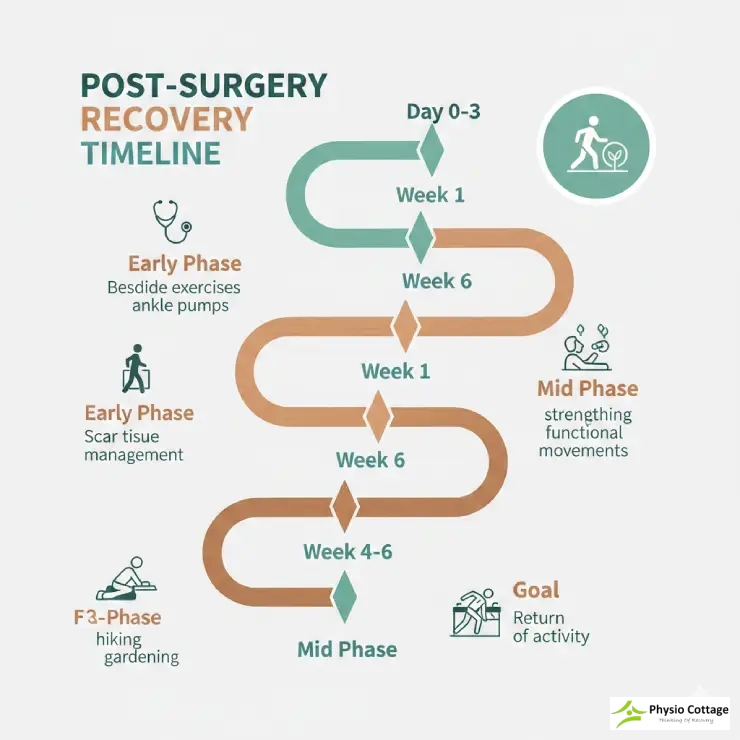
Immediate Post-Op Phase (Day 0 to Day 3)
In many cases, specifically for orthopedic surgeries like hip or knee replacements, a physiotherapist might see you in the recovery room or at your bedside within 24 hours. The goal here is simple: circulation and clot prevention. Simple ankle pumps or assisted movements prevent Deep Vein Thrombosis (DVT).
Once you are discharged and back home, the clock for outpatient care begins. Generally, you should aim to see a private therapist within 5 to 7 days after surgery, unless your surgeon has strict instructions otherwise. This creates a seamless transition from hospital care to community care.
Also Read: When is the best time to start physiotherapy after surgery?
Why Timing Matters: The Biology of Healing
You might feel like curling up in bed is the safest option, but your body’s biology disagrees. There is a physiological window of opportunity that, if missed, makes recovery exponentially harder.
When tissue is cut or repaired, the body lays down collagen to heal the wound. Without guidance, this collagen forms a messy, chaotic web known as scar tissue.
Combating Scar Tissue and Adhesions
If you wait too long, that scar tissue hardens like superglue, restricting movement and causing pain. Early physiotherapy ensures that collagen fibers align neatly, mimicking the original tissue structure. This is where manual therapy and techniques like myofascial release scarborough residents rely on can be game-changers. By gently manipulating the tissue early on, we prevent the stiffness that often plagues patients months down the line.
Reconnecting the Brain and Body
Surgery can disrupt the communication between your nerves and muscles (proprioception). The longer a muscle stays dormant, the more atrophy (wasting) occurs. It takes only a few days of immobility for muscles to start shrinking. Early intervention reminds your nervous system how to fire those muscles correctly, preventing you from developing compensatory limps or bad posture habits.
Timelines Based on Procedure Type
Not all surgeries are created equal. The “green light” for physiotherapy varies significantly depending on which part of your body was operated on and the complexity of the repair.
Here is a breakdown of common surgical timelines to give you a clearer picture.
Orthopedic Surgeries (ACL, Rotator Cuff, Joint Replacement)
These are the most common reasons people seek out a scarborough physiotherapy clinic.
- Joint Replacements (Hip/Knee): Immediate. You are often walking the same day. Outpatient physio should start within 3-5 days post-discharge.
- ACL Reconstruction: Therapy usually starts within the first week to control swelling and regain full knee extension.
- Rotator Cuff Repair: This is trickier. While passive movement (the therapist moving your arm) might start early, active movement is often restricted for 4-6 weeks. However, you still need a therapist to guide those passive movements safely.
Spinal Surgeries
Back surgery requires a delicate balance.
- Discectomy/Laminectomy: Gentle walking starts immediately. Structured physiotherapy typically begins around week 4 to 6 to stabilize the core without stressing the surgical site.
- Spinal Fusion: This recovery is longer. While walking is encouraged immediately, intensive rehab usually waits until bone fusion is confirmed, often around the 3-month mark.
Abdominal and Soft Tissue Surgeries
Don’t ignore the core.
- C-Sections or Hernia Repairs: While you might not think of this as “physio territory,” retraining the core muscles is vital. After the initial 6-week healing of the incision, seeing a therapist for holistic physiotherapy scarborough services can help resolve diastasis recti or core weakness.
What an Initial Assessment Looks Like
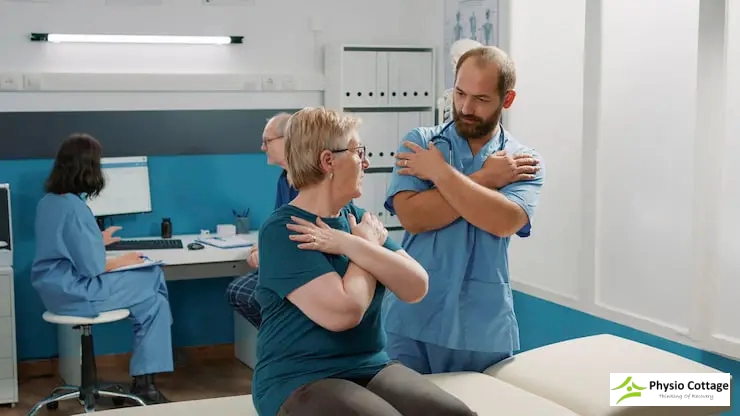
Stepping into a clinic when you are in pain or using crutches can feel daunting. We strip away the clinical coldness and focus on a personalized approach.
At Physio Cottage, your first session post-surgery is less of a “workout” and more of a strategic planning session.
The Interview and Observation
We listen to your story. We look at the discharge papers from your surgeon. But more importantly, we look at you. How are you holding yourself? Is the swelling manageable? Are you afraid to move?
This is where we identify “Red Flags” (signs of infection or complications) and “Yellow Flags” (fear of movement). If you are experiencing significant discomfort that traditional painkillers aren’t touching, we might look into alternative pain management strategies. For some, incorporating acupuncture scarborough techniques can help reset pain signals and reduce reliance on medication.
Setting Realistic Milestones
We don’t just say, “You’ll be better in six weeks.” We set functional goals.
- Week 1: Walk to the bathroom without pain.
- Week 4: Drive a car.
- Week 12: Return to gardening or golf.
Having these tangible targets keeps you motivated when the exercises feel tedious.
Also Read: Physiotherapy vs Massage Therapy: Which One Do You Need?
Signs You Are Overdoing It
While we advocate for early movement, there is a fine line between dedication and destruction. Pushing through the wrong kind of pain can set you back weeks.
Your body speaks a language, and you need to learn to interpret it.
Distinguishing Good Pain vs. Bad Pain
- Good Pain: Muscle soreness, stretching sensations, mild discomfort that subsides after resting.
- Bad Pain: Sharp, shooting pain, throbbing that keeps you awake at night, or increased heat and redness around the incision.
If you experience “bad pain,” it doesn’t mean you stop rehab; it means we adjust the plan. This is why having registered physiotherapists scarborough guiding you is safer than following a YouTube video. We know when to hit the gas and when to pump the brakes.
Finding the Right Support in Scarborough
Choosing where to do your rehab is as important as choosing your surgeon. You need a team that understands the local context and offers a welcoming environment.
Recovery can be isolating. You need a clinic that feels like a community.
Why Local Matters
In a sprawling area like the GTA, you don’t want to be driving an hour for an appointment when you are in post-surgical discomfort. You need accessible care. Whether you are a long-time resident or new to the country, finding refugee physiotherapy scarborough options or clinics that understand diverse cultural needs ensures that everyone gets access to high-quality recovery plans.
Furthermore, a great clinic considers your whole lifestyle. Do you need to get back to a physically demanding job? Or do you just want to carry your groceries? We tailor the “functional” part of functional rehab to your life.
The Mental Game of Recovery
We need to talk about the psychological toll of surgery. It is frustrating to rely on others for simple tasks. It is depressing to see your muscles shrink.
A good physiotherapist acts as a coach and a cheerleader. We validate your frustration. We celebrate the small wins, like bending your knee 5 degrees more than last week. This mental support is crucial. When you feel supported, your compliance with exercises increases, and consequently, your results improve.

Conclusion: Don’t Wait for the Rust to Set In
Surgery gives you a second chance at function; physiotherapy ensures you actually get to enjoy it. The question of “how long to wait” usually has a simple answer: Don’t wait. Contact a professional as soon as you have your surgery date scheduled. Pre-booking your appointments ensures you aren’t scrambling when you are groggy from medication.
Whether you need physiotherapy scarborough based experts for a sports injury, a joint replacement, or a complex spinal recovery, the key is professional guidance tailored to your unique biology.
Recovery is a journey, but you don’t have to walk it alone.
FAQ
Do I need a doctor’s referral to start physiotherapy after surgery?
No, in Ontario, you do not strictly need a doctor’s referral to see a physiotherapist as they are primary care practitioners. However, some private insurance plans may require one for reimbursement purposes. It is always best to check your specific policy.
Is post-surgery physiotherapy painful?
It can be uncomfortable, but it should not be agonizing. The goal is to stretch tissues and regain mobility, which causes some “good soreness.” Your therapist will constantly monitor your pain levels to ensure the treatment is within your tolerance and promotes healing, not harm.
How often will I need to attend sessions?
Initially, frequency is higher, typically 2 to 3 times per week during the acute phase to manage pain and mobility. As you regain strength and independence, sessions usually taper down to once a week or once every two weeks until you reach your goals.
Can I just do the exercises at home by myself?
While home exercises are a vital part of the plan, doing them without supervision initially is risky. You might develop “cheat” movements to avoid pain, leading to long-term issues. A therapist ensures your form is correct so that the right muscles are doing the work.
What if I can’t drive to the clinic immediately after surgery?
This is common. We recommend arranging a ride with family or utilizing accessible transit services in Scarborough. In some cases, virtual physiotherapy (tele-rehab) can be used for the first few sessions to guide you through initial advice and gentle movements without you leaving your home.
Ready to reclaim your movement?
Don’t let stiffness dictate your recovery. At Physio Cottage, we build personalized recovery roadmaps that fit your life and your goals.