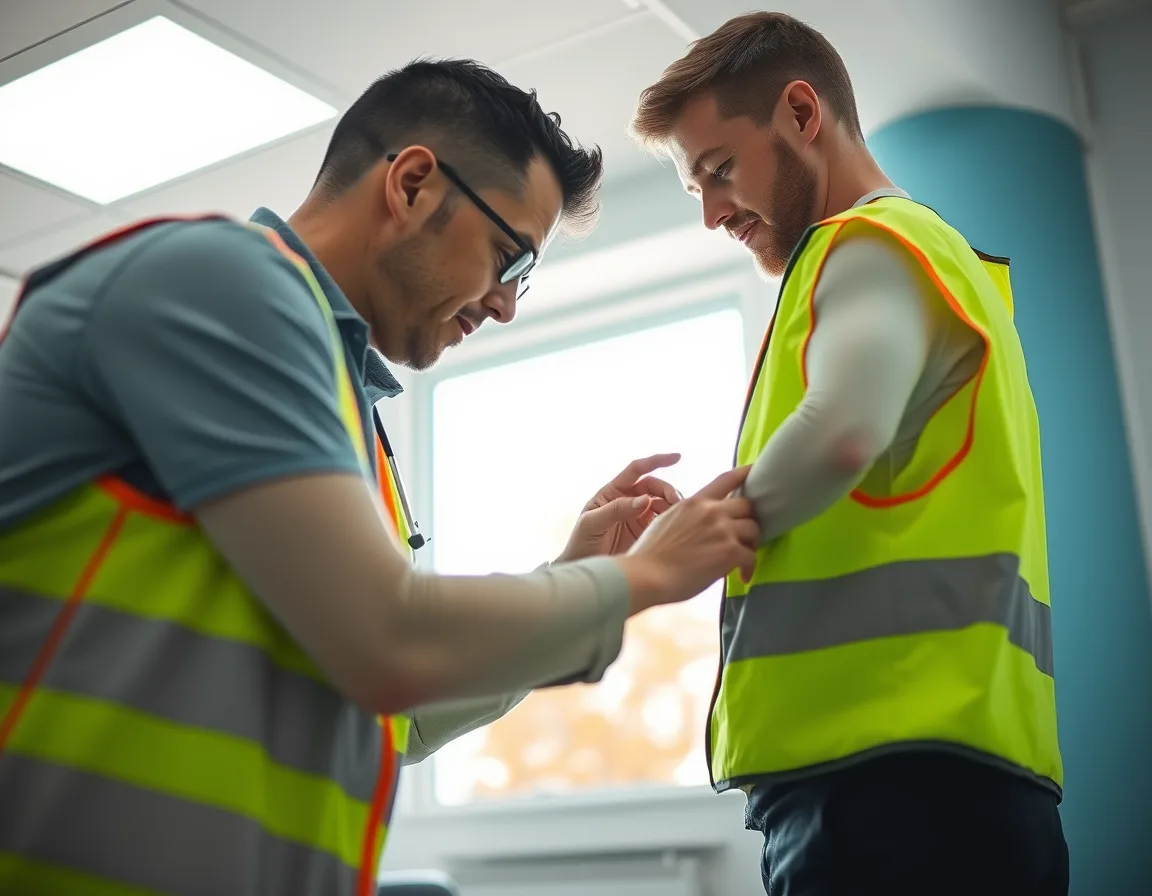

Short answer: Many people start physical therapy within a day or two after surgery while still in hospital, with gentle movement and breathing exercises. Outpatient physiotherapy usually begins one to six weeks later, depending on the operation and your surgeon’s instructions. Always follow your surgeon’s timeline. Learn about physiotherapy after surgery at Physio Cottage.
If you’ve just had surgery, or you’re planning one, you might be asking, “How soon after surgery should I start physical therapy after surgery?” It’s a question that hits home for so many. Surgery’s a big deal, and getting back on your feet can feel overwhelming. I’ve seen it with family, my uncle after his knee replacement, wondering when he could move without risking anything. The answer isn’t one-size-fits-all, but it’s worth figuring out. As of March 28, 2025, let’s walk through it together, when to start, why it matters, and what it can do for you. This guide’s got you covered with clear steps and real insights.
Understanding Physical Therapy After Surgery
Before we dive into timing, let’s get a sense of what physical therapy’s all about post-surgery and why it’s a key piece.
- What Physical Therapy Does Post-Surgery
Physical therapy’s your recovery partner. It’s about guided exercises, sometimes simple stretches, sometimes more, to rebuild strength, mobility, and function after surgery. Whether it’s a hip replacement or a heart procedure, it helps your body heal right. My cousin started it after her shoulder surgery, and it was like a roadmap back to normal. It’s not just moving; it’s moving smart, with a pro to keep you on track. - Why Timing Matters
Start too soon, and you might strain something fresh. Wait too long, and stiffness or weakness could settle in. Physical therapy recovery after surgery hinges on that sweet spot, giving your body time to rest but not so much it forgets how to work. Doctors and therapists tailor it to your surgery, so you’re not guessing. It’s about balance, and that’s what we’ll unpack next.
How Soon After Surgery for Physical Therapy?
So, how soon after surgery for physical therapy? It depends on what you had done, here’s the rundown.
- General Guidelines by Surgery Type
For joint surgeries, like knees or hips, physical therapy often starts within 24-48 hours, sometimes in the hospital. My uncle was up the day after his knee replacement, taking slow steps with a therapist. For abdominal or heart surgeries, it might be a few days to a week, focusing on gentle breathing or sitting up. Spine surgery? Could be days or weeks, depending on healing. Orthopedic surgeon Dr. Jane Lee says most patients start within a week for major joints, but it’s case-by-case. - Factors Affecting the Start
Your surgeon’s call is king, based on how complex the surgery was, your health, and how you’re healing. Age plays a role; younger folks might bounce back faster. If there’s infection or swelling, you’ll wait longer. When to start physical therapy after surgery isn’t fixed, it’s personal, and your doctor’s got the final say.
For Physiotherapy services in Scarborough, Call us
Physical Therapy Timeline After Surgery
Let’s map out the physical therapy timeline after surgerywhat happens when.
- Early Days to Weeks
First 1-7 days: It’s light, think bed exercises like ankle pumps or sitting-to-standing with help. My friend post-appendectomy started with deep breathing day two, just to keep things moving. Weeks 1-4: You might add walking or range-of-motion work, like lifting your arm after shoulder surgery. It’s slow, building a base without pushing too hard. - Long-Term Recovery Phases
Weeks 4-12: This is where strength kicks in, weights, resistance bands, maybe stairs. My uncle hit this phase with his knee, feeling sturdier each session. Beyond three months: You’re refining, full motion, balance, back to sports if that’s your goal. A 2023 study in Physical Therapy Journal says 80% of joint patients see big gains by 12 weeks with steady therapy. It’s a marathon, not a sprint.
Benefits of Physical Therapy Post Surgery
Why bother? The benefits of physical therapy post surgery are worth it, here’s how.
- Short-Term Gains
Right off the bat, it cuts pain and swelling. A 2024 review found early therapy reduced discomfort by 30% in knee patients within two weeks. You’ll move easier, my cousin could lift her arm without wincing after a few sessions. It also fights stiffness, keeping joints loose. Those first steps feel like progress, and that’s gold. - Long-Term Healing
Stick with it, and you’re rebuilding, stronger muscles, better balance, less chance of re-injury. A 2022 study showed hip replacement patients with therapy were 25% less likely to fall a year later. Physical therapy recovery after surgery sets you up for life, whether it’s climbing stairs or chasing kids, it’s about getting back to you.
Is Physical Therapy Safe Right After Surgery?
Safety’s a big deal, is physical therapy safe right after surgery? Let’s look at it.
- Risks to Watch For
Too early, and you could stress stitches or a healing bone, think swelling or, worst case, reopening a wound. My uncle’s therapist waited a day to be sure his knee was stable. Pushing too hard might slow healing, especially with delicate surgeries like heart or spine. That’s why it’s not DIY, pros know the limits. - Working with Your Team
Your surgeon and therapist team up to keep it safe. They’ll start you slow, maybe just breathing exercises if it’s day one. When to start physical therapy after surgery comes with their okay, based on your progress. Tell them if something hurts, they’ll adjust. It’s a partnership, and they’ve got your back.
Sum Up
So, how soon after surgery should you start physical therapy after surgery? It’s not a single answer, could be a day, a week, or more, depending on your surgery and health. As of March 28, 2025, the key is listening to your doctor and easing in at the right pace. It’s about healing smart, cutting pain, building strength, getting you back to what you love. Check with your care team, weigh what you’ve read here, and take that first step when it’s time. Recovery’s a journey, and this could be a big part of yours.
Typical timelines by surgery
Every surgeon has a protocol, and yours comes first. As a general guide:
- Knee replacement: movement starts in hospital, with outpatient physiotherapy usually in the first one to two weeks
- Hip replacement: walking in hospital, then outpatient rehab within the first few weeks, following hip precautions
- ACL reconstruction: early physiotherapy within the first week to restore knee straightening and quad control
- Rotator cuff repair: a period in a sling with gentle passive movement, then active exercise after about six weeks
- Spine surgery: walking early, with structured physiotherapy often starting a few weeks later
- Caesarean or abdominal surgery: gentle walking early, with pelvic floor and core work after medical clearance
Prehab: getting ready before surgery
If your surgery is planned, a few weeks of physiotherapy beforehand can help. Building strength, learning your post-surgery exercises in advance and practising with walking aids makes the first days at home easier.
Warning signs after surgery
- Increasing redness, heat or discharge at the incision
- Fever or chills
- Calf pain or swelling in one leg
- Sudden shortness of breath or chest pain
Contact your surgeon or seek urgent care if you notice these. Call 911 for chest pain or trouble breathing.
What to bring to your first outpatient visit
- Your surgical report or discharge papers and any protocol from your surgeon
- A list of medications
- Braces, slings or walking aids you were given
- Loose clothing that gives access to the area
More questions
Will physiotherapy after surgery hurt?
Some discomfort is expected. Your physiotherapist works within safe limits and adjusts exercises to your pain.
Do I need a referral after surgery?
Not to see a physiotherapist in Ontario, but bring your surgeon’s instructions so your plan matches them.
Why early movement matters
Moving soon after surgery, within the limits your surgeon sets, lowers the risk of stiffness, muscle loss, blood clots and chest infections. It also helps you return home and to daily tasks sooner. That is why hospital physiotherapists often have you sitting, standing or walking within a day of many operations.
Once you are home, outpatient physiotherapy carries this forward. Your physiotherapist adjusts exercises as healing progresses, keeps in line with your surgeon’s protocol, and prepares you for the activities that matter to you, such as stairs, driving, work or sport.
Recovering from surgery? Physio Cottage, 2231 Victoria Park Ave, Unit #5, Scarborough, ON M1R 1V8. Call (416) 445-5353 or book online. Mon to Fri 10am to 8pm, Sat 9am to 5pm.
Related guides
- Why pre and post-operative physiotherapy matters
- How physiotherapy helps with post-surgical recovery
- How many physiotherapy sessions will I need?
Every person recovers differently, so use these guides as general information and ask your physiotherapist, chiropractor or massage therapist how they apply to you. Bring any questions you have to your next visit; there is no such thing as a silly question when it comes to your own body and recovery.

About the author and clinical reviewer
Dr. Maryam Ahankoob, Registered Physiotherapist at Physio Cottage, 2231 Victoria Park Ave, Unit #5, Scarborough, ON M1R 1V8. Questions about this article or your own symptoms? Call (416) 445-5353 or learn more about our clinic.
This article is general information, not a diagnosis. Please book an assessment for advice about your situation.