Physiotherapy offers specialized, evidence-based solutions for sciatic nerve pain. This article explores the nature of sciatica, effective treatment interventions, specific exercises to target nerve pain, and how to choose the right clinic for your recovery.
Seeking physiotherapy Scarborough for sciatica pain? Our clinic specializes in personalized treatment plans that combine manual therapy, targeted exercises, and lifestyle modifications to help you return to pain-free activity.
Sciatica and Its Impact on Daily Life
Sciatica refers to pain radiating along the sciatic nerve path, from the lower back through the hips, buttocks, and down the leg. It typically affects one side of the body and ranges from mild discomfort to severe pain. Common causes include herniated discs, bone spurs, or spinal stenosis. Symptoms include sharp burning pain, numbness, tingling, and muscle weakness.
Approximately 40% of people experience sciatica at some point. The condition impacts sleep, work productivity, and daily activities. Understanding the underlying cause is crucial for developing an effective treatment plan.
Why Choose Physiotherapy for Sciatica Treatment
Physiotherapy is a conservative, non-invasive approach that addresses the root cause of sciatic nerve compression rather than just masking pain. Research shows that exercise-based physiotherapy significantly reduces pain and improves function.
Our approach focuses on reducing inflammation, improving spinal alignment, enhancing flexibility, and building core strength to prevent future episodes. Each treatment plan is customized based on your symptoms, severity, lifestyle, and recovery goals.
Our holistic physiotherapy Scarborough approach addresses sciatica by treating not just the symptoms but the underlying biomechanical and lifestyle factors contributing to nerve pain, ensuring comprehensive and lasting relief.

Comprehensive Assessment: The Foundation of Effective Treatment
Before treatment begins, a thorough assessment identifies the exact cause and extent of your sciatica. Our evaluation includes:
- Medical history review
- Postural analysis and gait assessment
- Range of motion and strength testing
- Neurological examination
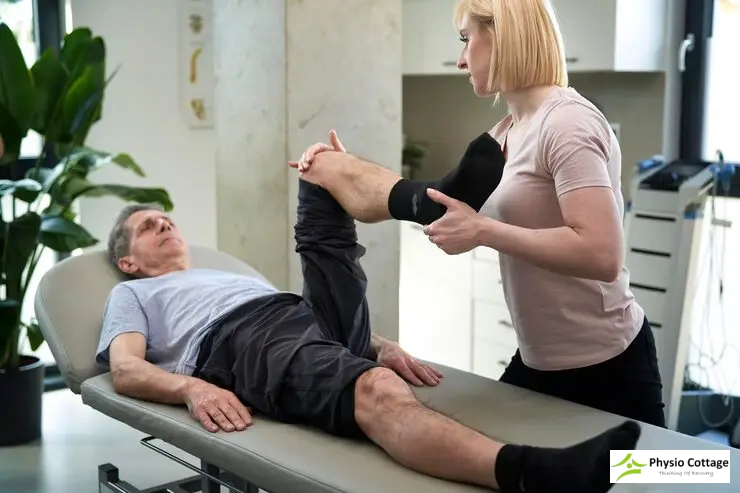
- Special orthopedic tests (e.g., straight leg raise test)
This assessment differentiates true sciatica from similar conditions like piriformis syndrome or sacroiliac joint dysfunction.
Also Read: Can Physiotherapy Help with Sciatica? What Exercises Should I Do?
Proven Manual Therapy Techniques for Sciatica Relief
Manual therapy provides immediate pain relief while addressing biomechanical issues:
Spinal Mobilization – Gently restores movement to restricted spinal segments and reduces nerve irritation.
Soft Tissue Mobilization – Targets tight muscles and fascia in the lower back, gluteal region, and hip area.
Neural Mobilization – Gentle nerve gliding and flossing techniques reduce tension on the sciatic nerve and improve its mobility through surrounding tissues.
Joint Mobilization – Addresses restrictions in the lumbar spine, sacroiliac joints, or hip joints.
Research shows patients receiving manual therapy combined with exercise achieve greater improvements than exercise alone.
Evidence-Based Exercises for Sciatic Nerve Pain
The following exercises combine nerve mobilization, muscle stretching, and core strengthening to reduce pain and prevent recurrence:
Nerve Gliding Exercises
Seated sciatic nerve glide: Sit upright with one leg extended. Slowly flex your ankle while straightening the knee, then point your foot while bending the knee. Perform 10-15 repetitions, 2-3 times daily.
Stretching Protocols
Piriformis Stretch – Lying on your back, cross the affected leg over the opposite knee and gently pull the bottom leg toward your chest. Hold for 30 seconds, repeat 3-4 times.
Hamstring Stretch – Standing or seated, reduce tension along the back of the thigh. Use variations based on your comfort level.
Core Strengthening Exercises
Dead Bug – Lying on your back with knees bent, slowly extend opposite arm and leg while maintaining a neutral spine. Strengthens deep abdominal muscles.
Bird Dog – Starting on hands and knees, extend one arm forward and the opposite leg back, holding for 5-10 seconds before alternating. Improves core stability and coordination.
Our registered physiotherapists Scarborough are certified professionals with advanced training in nerve-related conditions who stay current with the latest evidence-based treatment techniques to provide you with the highest standard of care.
Active Rehab Physiotherapy: Building Long-Term Resilience
Our active rehab programs progress through three phases:
- Early Phase – Pain reduction and gentle movement restoration through controlled exercises
- Progressive Phase – Loading exercises that build muscle capacity
- Advanced Phase – Functional movements simulating daily activities and sports-specific demands
This approach ensures gradual strength building without aggravating symptoms and has been shown to reduce recurrence rates.
Also Read: Choosing the Right Chiropractor Near Me in Scarborough
Lifestyle Modifications for Sciatica Management
Ergonomics – Maintain neutral spinal alignment at work. Position your monitor at eye level and feet flat on the floor. Take movement breaks every 30-45 minutes.
Sleep Position – Side sleepers should place a pillow between knees. Back sleepers benefit from a pillow under the knees. Avoid sleeping on your stomach.
Weight Management – Maintaining healthy body weight reduces compressive forces on the spine.
Smoking Cessation – Improves tissue healing and reduces inflammation.
Expected Timeline and Recovery Outcomes
Most patients experience pain relief within 2-3 weeks of beginning physiotherapy, with complete resolution in 6-12 weeks depending on severity. Acute sciatica (less than 6 weeks) typically responds faster than chronic cases. Research indicates 75-90% of sciatica patients improve significantly with conservative physiotherapy treatment.
Your active participation in prescribed exercises, regular therapy attendance, and lifestyle modifications directly influence your recovery timeline.
Also Read: Where can I Find a Physiotherapist Near me in Scarborough?
Frequently Asked Questions
How quickly will physiotherapy relieve my sciatica pain?
Most patients notice improvement within 2-3 weeks, with significant relief in 6-12 weeks depending on severity and adherence to treatment.
Can I continue exercising while experiencing sciatica pain?
Yes, but modified. Stay active with low-impact activities like walking, swimming, or cycling. Avoid movements that cause sharp pain. Your physiotherapist will guide which exercises to continue or modify.
What’s the difference between physiotherapy and chiropractic care for sciatica?
Physiotherapy emphasizes exercise-based rehabilitation and progressive strengthening. Chiropractic care focuses on spinal adjustments. Both can be effective, and a collaborative approach often works best.
Will I need surgery if physiotherapy doesn’t work?
Unlikely. About 75-90% of sciatica cases improve with conservative treatment. Surgery is rarely considered unless you have severe neurological symptoms or conservative treatment fails after 6-12 weeks.
How can I prevent sciatica from returning after recovery?
Maintain core strength with exercises 2-3 times weekly, practice proper posture, stay active, and avoid prolonged sitting. Regular maintenance sessions can help prevent recurrence.
Take the First Step Toward Pain-Free Living
Living with sciatica doesn’t have to be your reality. Take action today by scheduling your comprehensive sciatica assessment at our scarborough physiotherapy clinic. Our expert team is ready to develop a customized treatment plan that addresses your unique needs and goals. Visit Physio Cottage to book your appointment online, or call us directly to speak with one of our friendly staff members.