
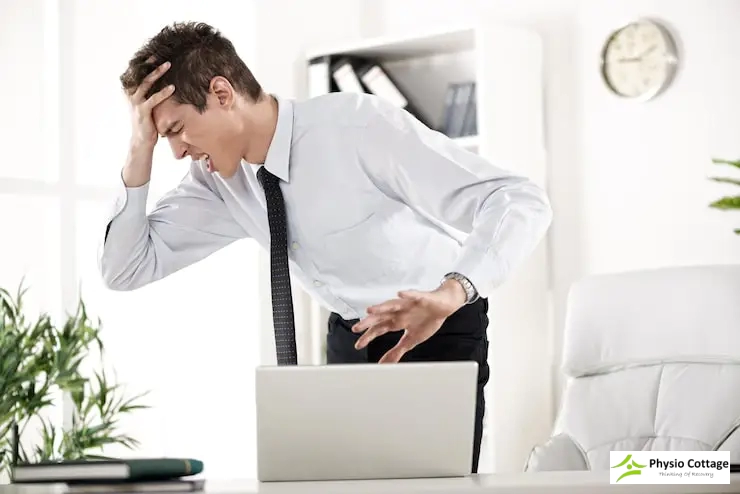
You’re standing up from your desk after hours of work, and suddenly—there it is. That sharp, nagging discomfort somewhere between your lower back and hip. But where exactly is it coming from? Your hip? Your back? Or both?
If you’ve ever found yourself pressing different spots trying to pinpoint the source of your pain, you’re not alone. The hip and lower back share such close anatomical proximity that distinguishing between the two can feel like solving a medical mystery. According to research, up to 90% of people will experience debilitating back or hip discomfort at some point in their lives.
Why Hip and Back Pain Are So Easy to Confuse
The complexity lies in anatomy and nerve pathways. Your hip joint sits just behind your groin area, while your lumbar spine runs down the center of your lower back.
When a problem originates in your lumbar spine, compressed nerves can send pain signals that you feel in your hip, buttocks, or even down your leg. Similarly, issues within the hip joint itself can create discomfort that radiates toward the lower back. This phenomenon, called referred pain, is why a scarborough physiotherapy clinic must conduct thorough assessments rather than simply treating where it hurts.
The musculoskeletal system operates as an interconnected chain. When your hip isn’t functioning properly, your gait changes, potentially leading to compensatory stress on your spine. This interdependence means that addressing one area without considering the other often provides only temporary relief.

Pain Location: Your First Major Clue
Where you feel discomfort offers critical diagnostic information that can help distinguish between these two conditions.
Hip Pain Typically Presents As:
Groin pain is the hallmark indicator of true hip joint problems. The hip joint lies directly behind the groin, so pathology within this joint—such as osteoarthritis, labral tears, or hip impingement—typically manifests as deep aching or sharp pain in the front of your hip and groin area. This pain may radiate down the inner or front aspect of your thigh, occasionally reaching the knee, but rarely travels beyond that point.
Lateral hip pain on the outside of your hip often indicates trochanteric bursitis or gluteal tendinopathy rather than true joint pathology.
Back Pain Typically Presents As:
Pain originating from the lumbar spine tends to localize in the lower back itself, the buttocks, and the gluteal region. When nerve compression is involved—as occurs with herniated discs, spinal stenosis, or degenerative changes—the pain follows specific nerve pathways down the back of your thigh along the hamstring, potentially extending past the knee to the calf or foot.
This radiating pattern, particularly when it travels below the knee with accompanying numbness, tingling, or weakness, strongly suggests spinal nerve involvement rather than hip pathology. The sacroiliac joint, located where your spine connects to your pelvis, can also generate pain in the lower back and buttocks that’s sometimes mistaken for hip problems.
If you’re experiencing chronic pain treatment scarborough providers can conduct specific orthopedic tests to differentiate between these sources and develop targeted treatment strategies.
How Movement Affects Your Pain
The activities that worsen or improve your symptoms provide another crucial piece of the diagnostic puzzle.
Hip-Related Pain Patterns:
Hip arthritis and other joint pathologies create a distinctive pattern: stiffness and discomfort after periods of rest. Many patients report that getting up from a chair or bed after sitting or lying down is particularly difficult. The first few steps are painful and you may limp, but as you continue moving, the pain often diminishes.
Activities that load the hip joint—such as climbing stairs, pivoting, turning, or moving from sitting to standing—typically aggravate hip pain. Walking long distances or standing for extended periods progressively worsens the discomfort.
Back-Related Pain Patterns:
Lumbar spine issues often behave differently. For many back conditions, pain intensifies with prolonged sitting or certain positions that increase pressure on spinal discs and nerves.
When nerve compression is present, certain movements may trigger sharp, shooting pains that travel down your leg—a sensation distinct from the deep, achy quality of hip joint pain. Physiotherapy scarborough professionals use movement assessments to identify these patterns and pinpoint the pain generator.
The Nature and Quality of Your Discomfort
Beyond location and movement patterns, how your pain feels provides additional diagnostic clues.
Describing Hip Pain:
Patients with hip pathology often describe their discomfort as a deep, dull ache centered in the groin area. When arthritis progresses to severe stages, you might experience constant discomfort even with minimal movement or at rest. Some describe a catching, locking, or grinding sensation within the joint, particularly during rotation or weight-bearing activities.
The pain quality can vary based on the specific condition. Hip impingement may cause sharp, stabbing sensations during certain movements, while bursitis typically presents as burning or tender pain over the lateral hip.
Describing Back Pain:
Lower back pain varies widely depending on the underlying cause. Muscular strains create localized soreness and tension, while nerve-related issues produce more distinctive symptoms: burning sensations, electric shock-like shooting pains, pins-and-needles tingling, or numbness.
Sciatica—pain resulting from compression of the sciatic nerve—creates a characteristic burning or searing sensation that travels from the lower back through the buttock and down the posterior leg. This differs significantly from hip joint pain, which doesn’t typically produce the same quality of burning or nerve-type symptoms.
Spinal stenosis often causes a heavy, tired feeling in the legs that worsens with walking and improves with sitting. This “neurogenic claudication” pattern is distinct from hip pain patterns.
Common Conditions Behind Each Type of Pain
Knowing the typical diagnoses associated with hip versus back pain can help you have more informed conversations with healthcare providers.
Hip Conditions:
Osteoarthritis remains the most common cause of hip pain, particularly in individuals over 50. This degenerative condition progressively wears away the cartilage cushioning the hip joint, leading to bone-on-bone contact, inflammation, and pain. Risk factors include age, previous hip injuries, obesity.
Hip impingement (femoroacetabular impingement) occurs when abnormal contact between the femoral head and acetabulum causes damage to surrounding structures. This condition particularly affects younger, active individuals and athletes.
Labral tears involve damage to the ring of cartilage (labrum) that lines the hip socket. These tears can result from acute trauma, repetitive motions, or structural abnormalities, creating catching sensations and groin pain.
Trochanteric bursitis causes lateral hip pain due to inflammation of the fluid-filled sac that cushions the outer hip. This condition often develops from overuse, direct trauma, or biomechanical issues like leg length discrepancy.
Back Conditions:
Herniated or bulging discs occur when the soft inner material of a spinal disc protrudes through its outer layer, potentially compressing nearby nerves. This can cause localized back pain plus radiating symptoms down the leg.
Lumbar spinal stenosis involves narrowing of the spinal canal, which houses the spinal cord and nerves. This typically develops gradually due to age-related degenerative changes and creates symptoms that worsen with standing or walking.
Degenerative disc disease describes the natural breakdown of intervertebral discs over time, reducing their ability to cushion vertebrae. This can lead to chronic lower back pain, stiffness, and decreased mobility.
Sacroiliac joint dysfunction occurs when the joint connecting your spine to your pelvis becomes inflamed or moves abnormally, creating pain in the lower back, buttocks, and sometimes the back of the thigh.
For comprehensive evaluation and treatment of these conditions, holistic physiotherapy scarborough approaches address not just symptoms but underlying biomechanical factors contributing to your pain.
Special Considerations: When One Problem Causes the Other
One of the most challenging diagnostic scenarios occurs when hip problems cause back pain or vice versa. This interconnection means that effectively resolving your symptoms often requires addressing both areas.
How Hip Issues Affect Your Back:
When your hip doesn’t move properly—whether due to arthritis, restricted mobility, or pain—your body compensates by altering your gait and posture. Over time, these compensatory patterns place abnormal stress on your lumbar spine, potentially leading to muscular imbalances, joint dysfunction, and pain.
How Back Issues Affect Your Hip:
Nerve roots exiting your lumbar spine control muscles in your hip and leg. When these nerves become compressed or irritated—as occurs with herniated discs or spinal stenosis—you may experience weakness, pain, or altered sensation in the hip region even though the source is your spine.
Additionally, chronic lower back pain often causes people to move differently, potentially creating secondary hip problems. Prolonged altered movement patterns can lead to muscle tightness, reduced hip mobility, and eventually hip pain that coexists with the original back problem.
This complex interplay is why comprehensive assessment by experienced providers is crucial. Massage therapy scarborough specialists at Physio Cottage work collaboratively to address both areas when needed, ensuring you receive truly comprehensive care.
Self-Assessment: Quick Tests to Try at Home
While these simple tests can provide clues, they don’t replace professional evaluation. However, they may help you better describe your symptoms to healthcare providers.
Hip Flexion Test:
Lie on your back and pull one knee toward your chest. If this movement causes groin pain or you feel restricted motion compared to the other side, hip pathology is more likely. Pain in the buttock or lower back during this movement may suggest spinal issues.
FABER Test (Flexion, Abduction, External Rotation):
Lie on your back and place the ankle of your affected side on the opposite knee, creating a figure-4 position. Gently press down on the raised knee. Groin pain or clicking suggests hip joint issues, while pain in your lower back or sacroiliac joint area points toward spinal or pelvic problems.
Straight Leg Raise:
Lie flat and lift one straight leg upward. If this causes pain radiating down the back of your leg, nerve irritation from your spine is likely.
Log Roll Test:
Lie on your back with legs straight. Have someone gently roll your leg inward and outward. If this passive rotation causes groin pain, hip joint problems are more likely than spinal issues.
Walking Pattern:
Pay attention to your gait. Hip problems often cause an antalgic (pain-avoiding) limp, with shortened stance time on the affected leg. Spinal issues might create a different gait pattern, particularly if nerve compression affects muscle strength.
Also Read: Is Walking Really Safe for Lower Back and Hip Pain Relief?
The Role of Imaging and Professional Diagnosis
While understanding your symptoms helps inform conversations with healthcare providers, imaging studies and clinical examination provide definitive answers.
When to Pursue Professional Evaluation:
Seek medical attention if you experience severe pain that doesn’t improve with rest, pain accompanied by fever or unexplained weight loss, loss of bowel or bladder control, progressive weakness in your legs, or symptoms following significant trauma.
Even if your pain isn’t severe, persistent discomfort lasting more than a few weeks warrants evaluation. Early intervention often prevents chronic problems from developing and reduces recovery time significantly.
The Diagnostic Process:
A thorough physical examination forms the foundation of accurate diagnosis. Healthcare providers assess your range of motion, strength, reflexes, and specific pain-producing movements. They palpate muscles, joints, and bony landmarks to identify tenderness and abnormalities.
Special orthopedic tests, like those described in the self-assessment section but performed with clinical expertise, help differentiate between hip and spinal sources. Your provider may also evaluate your posture, gait, and biomechanics to identify contributing factors.
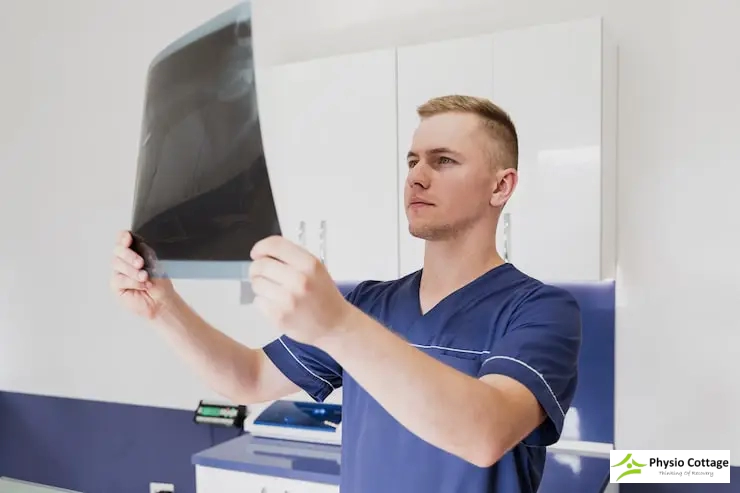
Imaging such as X-rays, MRI, or CT scans can reveal problems in bones, discs, and soft tissues, but must always be interpreted in the context of your symptoms and examination.
However, imaging results must be interpreted carefully in clinical context. Studies frequently show abnormalities—such as herniated discs, arthritis, or degenerative changes—in people without pain. Your symptoms, examination findings, and imaging results together guide accurate diagnosis.
Diagnostic Injections:
Sometimes diagnostic injections with numbing medication into the hip or around spinal nerves are used to confirm the true source of pain.
Treatment Approaches: Tailored to Your Specific Diagnosis
Effective treatment begins with accurate diagnosis. Once providers identify whether your hip, spine, or both are causing symptoms, therapy can be appropriately targeted.
Conservative Treatment Options:
Most hip and back pain responds well to conservative (non-surgical) management, making these approaches first-line treatments.
Physiotherapy remains the cornerstone of conservative care for both conditions. Therapeutic exercises strengthen supporting muscles, improve flexibility, restore proper movement patterns, and address biomechanical dysfunction. Manual therapy techniques, including joint mobilization and soft tissue release, reduce pain and improve mobility.
Activity modification and ergonomic adjustments reduce aggravating factors while healing occurs. This might include adjusting your workspace setup, modifying exercise routines, or temporarily avoiding specific movements that worsen symptoms.
Pain management strategies include appropriate use of over-the-counter anti-inflammatory medications, application of ice or heat depending on the condition phase, and newer modalities like laser therapy or shockwave treatment.
When Surgery Becomes Necessary:
Most cases resolve with conservative treatment, but certain situations may eventually require surgical intervention. Hip replacement becomes necessary when severe arthritis creates debilitating pain and significantly limits quality of life despite exhausting non-surgical options.
For spinal conditions, surgery might be considered when conservative treatment fails and imaging clearly identifies a correctable structural problem causing significant symptoms. Procedures range from minimally invasive discectomies for herniated discs to decompression surgery for spinal stenosis or fusion for instability.
Prevention Strategies: Protecting Both Your Hip and Back
Once you’ve recovered from hip or back pain, prevention becomes paramount to avoid recurrence.
Maintain Healthy Body Weight:
Excess weight places mechanical stress on both hips and spine, accelerating wear-and-tear and increasing pain risk. Research consistently shows that obesity significantly elevates the likelihood of developing both hip osteoarthritis and chronic lower back pain.
Develop Strong Core Muscles:
Your core—including abdominal muscles, obliques, back extensors, and pelvic floor muscles—provides essential stability for your spine and pelvis. Strong core muscles reduce excessive motion and load on individual spinal segments and hip joints.
Incorporate exercises that challenge stability in multiple planes of movement, not just traditional crunches. Planks, side planks, bird dogs effectively build functional core strength.
Maintain Hip Flexibility:
Regular stretching of hip flexors, hamstrings, and hip external rotators prevents tightness that alters biomechanics. Particularly if you sit for prolonged periods, your hip flexors tend to shorten, pulling your pelvis forward and increasing lumbar curve—a position that stresses the lower back.
Practice Proper Body Mechanics:
How you move during daily activities profoundly affects joint stress. Lift objects by bending at your hips and knees while keeping your back neutral rather than bending forward from your waist. Avoid twisting while lifting or carrying loads. When standing for extended periods, occasionally rest one foot on a low stool to reduce back strain.
Stay Active with Appropriate Exercise:
Regular physical activity maintains joint mobility, muscle strength, and cardiovascular health. Low-impact activities like swimming, cycling, or walking provide excellent exercise without excessive joint stress. Incorporate both cardiovascular exercise and strength training into your weekly routine.
Address Problems Early:
Minor aches or movement restrictions often signal developing problems. Addressing these early warning signs prevents progression to chronic, more difficult-to-treat conditions. If you notice persistent discomfort or movement changes, seek evaluation rather than hoping symptoms will spontaneously resolve.
Also Read: Chiropractic Benefits for Tennis Players: Optimizing Flexibility and Reducing Pain
Your Path Forward
Living with persistent hip or back pain doesn’t have to be your reality. While distinguishing between these conditions can be challenging, the differences in pain location, movement patterns, and symptom quality provide important clues about the source of your discomfort.
Armed with this knowledge, you can have more informed discussions with healthcare providers and better advocate for yourself. However, remember that accurate diagnosis and effective treatment require professional expertise.
If you’re experiencing hip or back pain in the Scarborough area, Physio Cottage offers comprehensive evaluation and treatment services designed to identify the true source of your symptoms and provide lasting relief. Our team of experienced registered physiotherapists scarborough specialists understand the nuances of hip and spinal conditions and develop personalized treatment plans tailored to your specific needs.
Frequently Asked Questions
Can hip arthritis cause lower back pain?
Yes. Hip arthritis can change the way you move, increasing stress on your lower back and leading to secondary pain there.
How long does it typically take to diagnose the source of pain?
An experienced provider can often identify the main source in a single 45–60 minute visit; imaging or injections are added only if the picture remains unclear.
Is it possible to have both hip and back problems simultaneously?
Yes. Many people have both hip and spine issues at the same time, especially with age, so a thorough assessment of both areas is important.
What are red flag symptoms that require immediate medical attention?
Red flags include loss of bowel or bladder control, rapidly worsening leg weakness, saddle anesthesia, severe pain after major trauma, or pain with fever or unexplained weight loss.
Can physiotherapy help even if I’ve had pain for years?
Yes. Structured physiotherapy can still improve pain and function in long‑standing conditions, although it may take more time than for recent problems.
Book your appointment online or call us today to take the first step toward lasting relief.