Post-Surgery Physiotherapy in Scarborough — When and How to Start Recovery

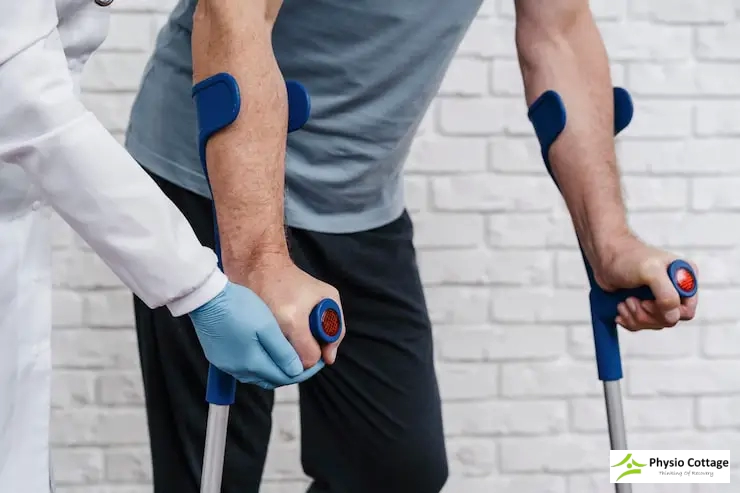
A close-up of a person's arms and hands using a pair of blue crutches, with a healthcare professional wearing a white coat and blue glove offering assistance and support for safe walking.

Post-surgery physiotherapy in Scarborough is a critical component of healing that helps patients regain strength, mobility, and confidence after an operation. Whether you’ve undergone orthopedic surgery, joint replacement, or soft tissue repair, knowing when and how to start recovery can significantly impact your outcomes. Seeking the best physiotherapy in Scarborough after an operation? Our clinic, conveniently located near Brimley and Ellesmere Road, offers expert post-surgery physiotherapy in Scarborough to accelerate your safe post-op recovery.

Understand the physiotherapy Scarborough cost and learn precisely when and how to start recovery with specialized programs like those at Body Works Physiotherapy Brimley Scarborough. We provide accessible OHIP covered physiotherapy Scarborough options, ensuring all residents can access crucial care for optimal healing after surgery.

In this comprehensive guide, we’ll explore optimal timing for beginning rehabilitation, evidence-based techniques that facilitate healing, and practical considerations including locations near Scarborough Town Centre and Kingston Road.

Understanding Post-Surgery Physiotherapy and Its Importance

Post-operative rehabilitation represents a structured approach to restoring function after surgical intervention. Research published by the Canadian Physiotherapy Association demonstrates that early mobilization and targeted exercises reduce complications such as blood clots, pneumonia, and muscle atrophy. The body undergoes significant trauma during surgery, and physiotherapy helps manage pain, reduce swelling, and prevent scar tissue formation that could limit your range of motion.

The recovery timeline varies depending on the type of surgery performed. Minimally invasive procedures may allow for earlier intervention, while major operations require a more cautious approach. Your surgeon’s clearance is essential before beginning any rehabilitation program, as premature activity could compromise surgical repairs. However, delaying treatment unnecessarily can lead to stiffness, weakness, and prolonged disability that makes eventual recovery more challenging.

Modern post-surgery physiotherapy incorporates evidence-based modalities including manual therapy, therapeutic exercises, and patient education. These interventions work synergistically to optimize healing while preventing secondary complications. For residents in Scarborough, accessing quality care near familiar landmarks like the 2100 Ellesmere Road area ensures convenience during a vulnerable recovery period.
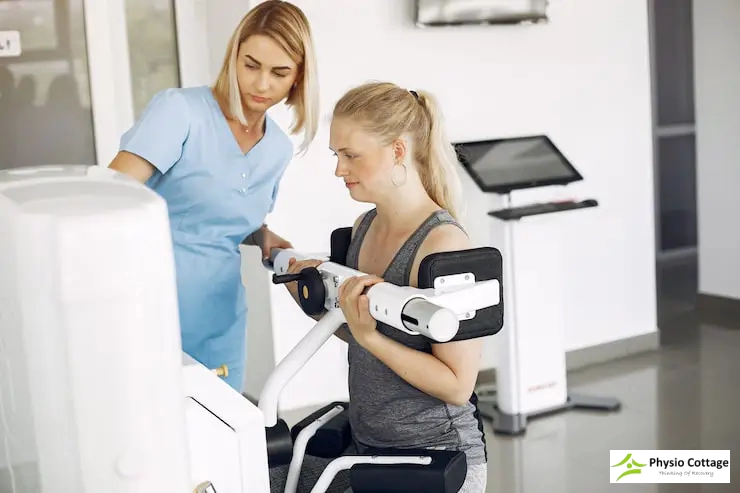
A female physiotherapist in a light blue uniform instructs a female patient with blonde hair on how to use a specialized gym machine for strength and mobility training during post-op recovery.

When to Start Post-Surgery Physiotherapy

The optimal timing for initiating physiotherapy depends on several factors including the surgical procedure, your overall health, and your surgeon’s protocol. Many orthopedic surgeons recommend beginning gentle exercises within 24 to 48 hours after surgery, even while hospitalized. These early interventions might include ankle pumps, breathing exercises, and passive range-of-motion activities that prevent complications without stressing healing tissues.

For joint replacement surgeries such as hip or knee arthroplasty, structured physiotherapy typically begins within the first week post-operatively. Research from the Journal of Orthopaedic & Sports Physical Therapy indicates that patients who start rehabilitation within three to five days experience better functional outcomes and shorter hospital stays. The initial phase focuses on protecting surgical sites while gradually introducing controlled movements that promote circulation and prevent joint stiffness.

Soft tissue surgeries including rotator cuff repairs or ligament reconstructions require more conservative timelines. Your physiotherapist will coordinate closely with your surgeon to determine when weight-bearing or active movements are safe. Typically, the first two to six weeks involve protected healing with gentle passive exercises, progressing to active-assisted movements as tissues strengthen. Missing this critical window can result in adhesions and reduced flexibility that complicate later rehabilitation efforts.

Also Read: What Does a Physiotherapist Do? A Complete Guide for Scarborough Patients

Benefits of Early Physiotherapy Intervention

Initiating physiotherapy promptly after surgery delivers numerous advantages that accelerate your return to daily activities. Pain management represents one of the most immediate benefits, as therapeutic techniques including manual therapy, ice application, and gentle movement help control discomfort naturally, potentially reducing reliance on pain medications. Studies show that patients engaged in early rehabilitation report lower pain scores compared to those who delay treatment.

Early mobilization prevents the cascade of complications associated with prolonged immobility. When you remain sedentary after surgery, muscles rapidly lose strength—up to 3-5% per day according to research. Blood circulation decreases, raising the risk of deep vein thrombosis, while respiratory complications become more likely. Physiotherapy counteracts these risks through graduated activity that safely challenges your body without compromising surgical repairs.

Psychological benefits should not be underestimated. The recovery period can feel overwhelming, but working with a physiotherapist provides structure, measurable progress, and professional support. Patients report improved confidence and reduced anxiety when they understand their rehabilitation plan and observe tangible improvements in function. This positive mindset contributes to better adherence to home exercise programs and ultimately superior outcomes.

What to Expect During Your First Physiotherapy Session

Your initial assessment forms the foundation of your personalized recovery program. The physiotherapist will review your surgical report, medical history, and current medications to understand your unique situation. They’ll discuss your goals, lifestyle requirements, and any concerns you have about the recovery process. This collaborative approach ensures your treatment aligns with what matters most to you.

The physical examination includes gentle assessment of your surgical site, surrounding tissues, and overall mobility. Your physiotherapist will measure range of motion, strength, and functional abilities to establish baseline data. They’ll evaluate your gait pattern, posture, and how you perform basic movements like sitting, standing, and walking. This comprehensive evaluation identifies specific limitations that need addressing through targeted interventions.

Based on these findings, your physiotherapist develops a progressive treatment plan with clear milestones. You’ll receive education about the healing process, warning signs that require medical attention, and home exercises that complement in-clinic sessions. For convenience, our services are close to major landmarks like the Scarborough Town Centre (STC) and include locations easily reachable from Kingston Road and the 2100 Ellesmere Road area. Most patients attend therapy two to three times weekly initially, with frequency adjusting as you progress through different recovery phases.

Also Read: When is the best time to start physiotherapy after surgery?

Phases of Post-Surgery Physiotherapy Recovery

Phase One: Protection and Pain Management

The immediate post-operative period, lasting approximately two to six weeks, prioritizes protecting healing tissues while managing pain and swelling. Interventions during this phase remain gentle and controlled, focusing on maintaining circulation without stressing surgical repairs. You’ll learn proper wound care, positioning techniques, and safe transfer methods that prevent accidental injury.

Therapeutic modalities such as ice therapy, compression, and elevation help control inflammation. Your physiotherapist may use gentle manual techniques to reduce muscle tension in areas surrounding the surgical site. The exercise program includes passive and active-assisted movements that maintain joint lubrication and prevent stiffness without requiring significant muscle contraction. Breathing exercises and gentle walking, as tolerated, promote overall wellness during this vulnerable period.

Phase Two: Restoring Mobility and Strength

As tissues heal and your surgeon provides clearance, typically between weeks six to twelve, treatment intensity gradually increases. Active range-of-motion exercises challenge muscles to work independently, rebuilding strength lost during the protection phase. Resistance training begins with light weights or resistance bands, progressively increasing as your tolerance improves.

Functional exercises become central during this phase, mimicking activities you need for daily life. If you’re recovering from lower extremity surgery, this might include stair climbing, squatting, and balance activities. Upper extremity procedures require reaching, lifting, and coordination exercises tailored to your specific needs. Your physiotherapist monitors your response carefully, ensuring progress occurs without setbacks or complications.

Phase Three: Return to Full Function

The final rehabilitation phase prepares you for unrestricted activity, whether returning to work, sports, or recreational pursuits. Advanced strengthening exercises, plyometrics, and sport-specific training restore power and coordination. Your physiotherapist will assess functional movements related to your goals, ensuring you can perform them safely and efficiently.

This phase also addresses any residual limitations through targeted interventions. Some patients require continued manual therapy for scar tissue management or joint mobilization. Others benefit from ongoing education about injury prevention strategies and long-term wellness. The duration of this phase varies significantly based on surgery type and individual goals, ranging from several weeks to several months.

Choosing the Best Physiotherapy in Scarborough

Selecting an appropriate clinic significantly influences your recovery experience and outcomes. Look for facilities with physiotherapists who specialize in post-operative care and have extensive experience with your specific surgery type. Credentials matter—registered physiotherapists complete rigorous university education and maintain professional standards through ongoing education and regulatory oversight.

Choosing the right care is vital; discover why our team is a top choice compared to other providers like Healthmax Physiotherapy Scarborough when you need dedicated post-operative support. Consider the clinic’s approach to individualized care versus generic protocols. The best providers conduct thorough assessments, develop personalized treatment plans, and adjust interventions based on your unique response. They communicate effectively with your surgical team and involve you actively in decision-making throughout the recovery process.

Practical considerations include location, scheduling flexibility, and available services. Clinics near your home or workplace make consistent attendance easier during recovery when transportation may be challenging. Ask about access to specialized equipment, availability of direct-billing options, and whether the clinic offers extended hours to accommodate your schedule. At Physio Cottage, we understand these needs and provide comprehensive support throughout your healing journey.
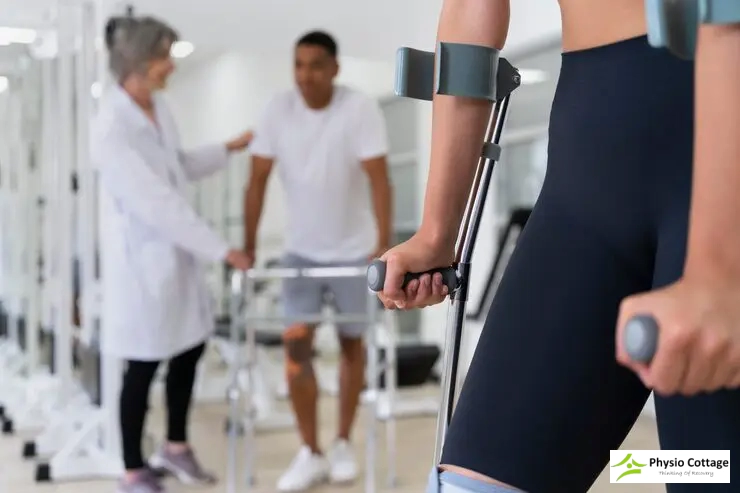
A blurred view of a physiotherapist and a male patient using a walker in the background, focusing on a female patient in the foreground using crutches, highlighting post-operative mobility training.

Understanding Physiotherapy Scarborough Cost and OHIP Coverage

Financial considerations represent an important aspect of planning your post-surgery rehabilitation. The physiotherapy Scarborough cost varies depending on several factors including treatment duration, specific interventions required, and clinic location. Individual sessions typically range from $70 to $120, with initial assessments sometimes priced slightly higher due to extended evaluation time.

Many residents qualify for OHIP covered physiotherapy Scarborough through specific programs. OHIP provides physiotherapy coverage for individuals under 19 years old, seniors 65 and older receiving home care, and patients with specific conditions requiring long-term care. Additionally, workplace injuries covered by the Workplace Safety and Insurance Board (WSIB) receive full physiotherapy benefits without out-of-pocket costs.

For those without OHIP coverage, private insurance often includes physiotherapy benefits as part of extended health plans. Review your policy carefully to understand coverage limits, which typically range from $300 to $1,500 annually. Many employers offer health spending accounts that provide additional flexibility for healthcare expenses. Some clinics also offer package rates or payment plans that make treatment more affordable. Discuss financial concerns openly with your provider—they can often suggest strategies to maximize your benefits while ensuring you receive necessary care.

Evidence-Based Techniques Used in Post-Surgery Rehabilitation

Modern physiotherapy employs scientifically validated interventions that optimize healing and restore function efficiently. Manual therapy techniques including soft tissue mobilization, joint mobilization, and myofascial release address restrictions that limit movement. Research published in the Journal of Manual & Manipulative Therapy demonstrates that these hands-on approaches reduce pain and improve mobility more effectively than passive modalities alone.

Therapeutic exercise forms the cornerstone of post-surgical rehabilitation. Your program will include range-of-motion exercises that maintain joint health, strengthening activities that rebuild muscle capacity, and functional training that prepares you for real-world demands. Progressive overload principles ensure continuous improvement without overwhelming healing tissues. Neuromuscular re-education exercises restore proper movement patterns, preventing compensatory habits that could lead to future problems.

Advanced modalities complement hands-on treatment when appropriate. These may include therapeutic ultrasound for deep tissue healing, electrical stimulation for pain management and muscle re-education, and laser therapy to accelerate tissue repair. However, research emphasizes that active participation through exercise produces superior outcomes compared to passive treatments alone. Your physiotherapist will select interventions based on current evidence and your individual response.

Common Surgeries Requiring Physiotherapy Support

Orthopedic procedures represent the most common surgeries necessitating structured rehabilitation. Total knee replacement, hip replacement, and shoulder arthroplasty require extensive physiotherapy to restore joint mechanics and surrounding muscle function. These surgeries involve significant tissue trauma, and proper rehabilitation distinguishes excellent outcomes from persistent disability.

Spinal surgeries including discectomy, laminectomy, and fusion procedures benefit enormously from physiotherapy guidance. Core stabilization exercises protect surgical repairs while restoring functional movement patterns. Many patients fear bending or twisting after spinal surgery, but physiotherapists teach safe movement strategies that prevent re-injury while restoring confidence in daily activities.

Soft tissue repairs such as rotator cuff surgery, ACL reconstruction, and tendon repairs require carefully progressed rehabilitation that respects tissue healing timelines. Premature aggressive activity can cause re-rupture, while excessive caution leads to stiffness and weakness. Experienced physiotherapists understand these delicate balances and guide your recovery through appropriate phases that optimize healing while preventing complications.

Home Exercise Programs: Your Key to Success

While in-clinic treatment provides expert guidance and hands-on interventions, home exercises represent the majority of your rehabilitation work. Consistency with prescribed exercises accelerates healing and improves outcomes more than any other factor. Research consistently shows that patients who adhere to home programs achieve functional goals faster and experience fewer complications than those who rely solely on clinic visits.

Your physiotherapist will teach exercises carefully, ensuring you understand proper technique before performing them independently. Start with a manageable number of exercises—typically three to five—that address your primary limitations. As you master these movements and build tolerance, your program will expand and progress. Quality matters more than quantity; performing exercises correctly with appropriate resistance produces better results than doing many repetitions with poor form.

Create a routine that integrates exercises into your daily schedule. Many patients find success by linking exercises to existing habits like morning coffee or evening television. Set reminders on your phone if needed, and track your progress in a journal. Communicate regularly with your physiotherapist about challenges you encounter with home exercises. They can modify activities or suggest alternatives that fit your lifestyle while still achieving therapeutic goals.

Also Read: How Can Physiotherapy Help with Post-Surgical Recovery?

Preventing Complications During Recovery

Post-surgical complications can derail your recovery and extend disability unnecessarily. Infection represents a serious concern in the early post-operative period. Watch for increased redness, warmth, swelling, or drainage around your incision, and report these signs immediately to your surgeon. Maintain proper wound hygiene as instructed, and avoid submerging incisions in water until completely healed.

Deep vein thrombosis (DVT) poses risks particularly after lower extremity or pelvic surgeries. Warning signs include calf pain, swelling, or warmth in one leg. Pulmonary embolism, a life-threatening DVT complication, causes sudden shortness of breath, chest pain, or rapid heart rate. Early mobilization and exercises prescribed by your physiotherapist significantly reduce DVT risk, but remain vigilant for these symptoms especially in the first few weeks.

Listen to your body and distinguish between expected discomfort and warning signs. Some pain and soreness are normal during rehabilitation as you challenge healing tissues and deconditioned muscles. However, sharp pain, sudden loss of motion, or symptoms that worsen rather than improve require professional assessment. Don’t hesitate to contact your physiotherapist or surgeon if something feels wrong—early intervention prevents minor concerns from becoming major setbacks.

Nutrition and Lifestyle Factors Supporting Recovery

Optimal healing requires more than exercise and manual therapy—your overall health habits profoundly influence recovery speed and quality. Nutrition plays a critical role in tissue repair, with protein intake being particularly important. Aim for 1.2 to 2.0 grams of protein per kilogram of body weight daily to support muscle preservation and wound healing. Include lean meats, fish, eggs, dairy products, legumes, and plant-based proteins throughout the day.

Adequate hydration facilitates numerous physiological processes including nutrient transport, waste removal, and joint lubrication. Aim for eight to ten glasses of water daily, increasing intake if you’re taking pain medications that can cause constipation. Limit alcohol consumption, as it impairs healing and interacts negatively with many post-surgical medications.

Sleep represents your body’s primary recovery mechanism. During deep sleep, growth hormone release peaks, driving tissue repair and regeneration. Aim for seven to nine hours of quality sleep nightly. Create a comfortable sleep environment and discuss pain management strategies with your healthcare team if discomfort disrupts rest. Stress management through relaxation techniques, social support, and realistic expectations about recovery timelines also contributes to optimal outcomes.

A man with an orange kinesiology tape on his knee, wearing white sneakers and shorts, practices walking with a silver walker in a modern physiotherapy gym setting. Post-Surgery Physiotherapy in Scarborough

Long-Term Success: Maintaining Your Results

Completing formal physiotherapy represents a milestone, not an endpoint. Long-term success requires continued attention to strength, flexibility, and movement quality. Many patients benefit from transitioning to maintenance exercise programs that prevent regression and build upon rehabilitation gains. Consider joining fitness classes, working with a personal trainer familiar with your surgical history, or continuing independent exercise routines learned during therapy.

Annual check-ins with your physiotherapist can identify emerging issues before they become problematic. These preventive visits assess movement patterns, address any developing compensations, and update your exercise program based on current activities and goals. This proactive approach prevents recurrence of problems that led to surgery and maintains the function you worked hard to restore.

Remain mindful of warning signs that warrant professional attention. These include gradual return of pain, new limitations in motion, or difficulty with activities you previously managed comfortably. Early intervention for these concerns typically resolves issues quickly, while delayed treatment may require extensive rehabilitation. Your relationship with your physiotherapy team can continue providing value long after initial recovery, supporting your ongoing health and activity goals.

Frequently Asked Questions

How soon after surgery should I start physiotherapy?

Timing depends on your specific surgery, but many patients begin gentle exercises within 24-48 hours post-operatively while still in hospital. More formal outpatient physiotherapy typically starts within the first week to ten days after orthopedic surgeries. Your surgeon will provide specific clearance based on the procedure performed and your individual healing. Delaying therapy unnecessarily can lead to stiffness and prolonged recovery, so follow your healthcare team’s recommendations closely.

How long will I need physiotherapy after surgery?

Recovery duration varies significantly based on surgery type, your pre-operative condition, and individual healing rates. Minor arthroscopic procedures may require six to eight weeks of treatment, while major joint replacements often need three to six months of structured rehabilitation. Spinal surgeries and complex repairs can require ongoing support for a year or longer. Your physiotherapist will provide estimated timelines but will adjust based on your actual progress toward functional goals.

Will physiotherapy hurt after surgery?

Some discomfort during rehabilitation is normal and expected as you challenge healing tissues and rebuild deconditioned muscles. However, treatment should never cause severe pain or significant symptom increases that persist beyond the exercise session. Your physiotherapist will work within your tolerance, gradually progressing intensity as healing permits. Communication is essential—always report your pain levels so your therapist can adjust treatment appropriately.

Can I drive myself to physiotherapy appointments after surgery?

This depends on your surgery location, medications, and recovery progress. If you’re taking opioid pain medications, driving is unsafe and illegal. Lower extremity surgeries may prevent driving until you’ve discontinued pain medications and regained adequate strength and reaction time. Your surgeon will provide specific clearance for driving. Until then, arrange transportation through family, friends, or local accessible transit services.

What should I bring to my first physiotherapy appointment?

Bring your surgical report or hospital discharge instructions, a list of current medications, any imaging results related to your surgery, and your health insurance information. Wear comfortable clothing that allows easy access to the surgical area—loose-fitting garments work best. Bring a list of questions or concerns you want to address. If you’re using assistive devices like crutches or a walker, bring those as well so your therapist can assess your technique.

Take the First Step Toward Complete Recovery

Your post-surgery recovery journey represents an investment in your long-term health, mobility, and quality of life. The decisions you make now—choosing experienced professionals, committing to your rehabilitation program, and maintaining healthy habits—will influence your function for years to come. At Physio Cottage, we’re committed to guiding you through every phase of healing with evidence-based care, personalized attention, and unwavering support.

Don’t leave your recovery to chance or delay seeking professional guidance. Our team of specialized physiotherapists brings extensive experience with post-operative rehabilitation, working closely with Scarborough’s surgical community to ensure seamless care transitions. We understand the challenges you’re facing and have helped hundreds of patients successfully return to the activities they love.

Contact Physio Cottage today to schedule your initial assessment and begin your personalized recovery program. Whether you’re preparing for upcoming surgery or already in the post-operative phase, we’re here to provide the expert care you deserve. Visit us at Physio Cottage or call to speak with our friendly staff who can answer your questions and book your appointment. Your stronger, more mobile future starts with one simple decision—let us help you achieve the complete recovery you’re working toward.

Sources

  1. Canadian Physiotherapy Association (CPA)
  2. Journal of Orthopaedic & Sports Physical Therapy (JOSPT)
  3. American Physical Therapy Association (APTA) – MoveForwardPT.com
Share article
Picture of Maryam Ahankoob
Maryam Ahankoob

Maryam Ahankoob, a dedicated Registered Physiotherapist with over 15 years of experience helping clients in Scarborough and beyond achieve optimal health and wellness

Newsletter

Sign up our newsletter to get update information, news and free insight.

ABOUT US

Welcome to Physio Cottage, a multidisciplinary clinic located at 2231 Victoria Park Ave in the heart of Toronto. As a physiotherapist-owned and operated clinic, we are dedicated to providing superior care in physiotherapy, chiropractic, and other related disciplines through a team of highly qualified healthcare professionals.

Popular Post

×