
Living with chronic pain is more than just dealing with discomfort. It can affect how you move, sleep, work, focus, and even how you feel emotionally. Unlike acute pain, which usually has a clear cause and heals within weeks, chronic pain persists for more than 12 weeks and often continues even after the original injury has healed.
Many people feel frustrated because scans may look “normal,” medications provide only temporary relief, and rest doesn’t fully solve the problem. The important thing to understand is this: chronic pain is not always a sign of ongoing damage. In many cases, it is influenced by how the nervous system processes pain, how the body moves, stress levels, and long-term movement habits.
The good news is that chronic pain can be managed effectively with the right approach, and most people can significantly improve their quality of life.
What Is Chronic Pain?
Chronic pain is pain that lasts longer than 12 weeks. It may start from an injury, surgery, arthritis, or sometimes without a clear cause.
Common examples include:
- Chronic lower back pain
- Neck and shoulder pain
- Knee or joint pain
- Nerve-related pain (burning, tingling, or shooting pain)
- Widespread pain conditions like fibromyalgia
Unlike acute pain, chronic pain often becomes less about tissue damage and more about how sensitive the nervous system has become over time.
Why Chronic Pain Persists
One of the biggest misconceptions is that chronic pain always means something is “still damaged.” In reality, several factors can keep pain going even after healing:
- The nervous system becomes overprotective and hypersensitive
- Muscles stay tense and overworked
- Movement patterns become inefficient or fearful
- Stress and poor sleep amplify pain signals
- Lack of gradual physical activity reduces tissue tolerance
This is why simply resting or relying only on medication often does not lead to long-term improvement.

What Actually Helps Chronic Pain
1. Targeted movement instead of complete rest
One of the most effective ways to manage chronic pain is through controlled, gradual movement. Avoiding activity completely can actually make the nervous system more sensitive over time. Gentle strengthening and mobility work help retrain how the body responds to movement.
2. Nervous system regulation
Since chronic pain is closely linked to how the brain interprets signals, calming the nervous system is essential. Breathing exercises, stress reduction techniques, and graded exposure to movement can reduce pain sensitivity over time.
3. Addressing muscle imbalances
When certain muscles are weak or overactive, the body compensates, which increases strain on painful areas. Restoring balance between muscle groups helps reduce unnecessary load on joints and tissues.
4. Improving daily movement habits
Small changes in posture, walking patterns, sitting time, and lifting technique can significantly reduce irritation in the long term.
5. Professional assessment and guided rehab
Chronic pain is complex, and self-management alone is often not enough. A structured approach can identify the real drivers of pain and guide recovery safely.
At Physio Cottage, our approach to chronic pain focuses on identifying the root cause and building a personalized recovery plan through physiotherapy that helps patients regain confidence in movement rather than fear it.
The Role of Physiotherapy in Chronic Pain Recovery
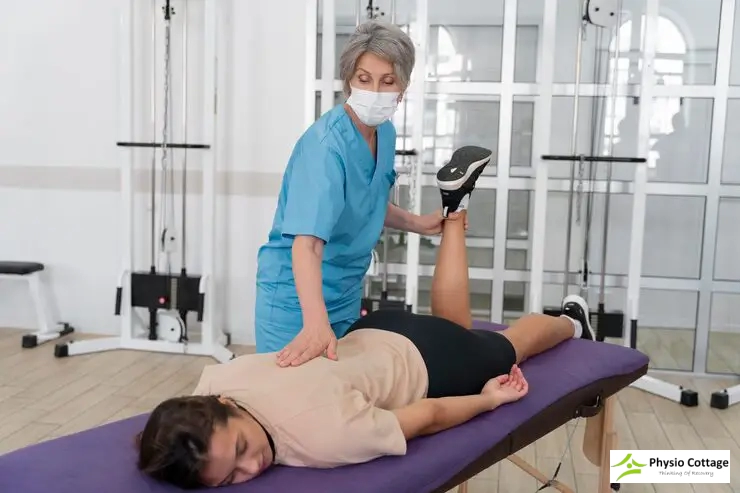
Physiotherapy is one of the most effective non-invasive treatments for chronic pain because it addresses both the physical and neurological components of pain.
A structured physiotherapy plan may include:
- Movement and posture assessment
- Manual therapy to reduce stiffness
- Progressive strengthening exercises
- Gait and movement retraining
- Education to reduce pain-related fear
The goal is not just short-term relief, but long-term improvement in function and quality of life.
Simple Things You Can Start Doing Today
While every case is different, these strategies often help:
- Move a little every day, even if it’s light walking
- Avoid long periods of complete rest
- Gradually increase activity instead of sudden changes
- Focus on consistency, not intensity
- Prioritize sleep and stress management
Small, consistent improvements often lead to meaningful long-term changes.
Final Thoughts
Chronic pain is complex, but it is not something you are “stuck with forever.” With the right combination of movement, education, and treatment, many people experience significant improvement and regain control over their daily lives.
If chronic pain is affecting your ability to work, move, or enjoy daily activities, early intervention can make a major difference. You don’t need to wait until it becomes worse before seeking help.
If you’re struggling with persistent pain, book a physiotherapy assessment at Physio Cottage to understand the real cause and start a structured recovery plan tailored to you.