Knee pain when walking is one of the most common complaints seen in physiotherapy clinics—and yet, many people ignore it until it becomes severe enough to interfere with daily life. What starts as a mild ache while climbing stairs or taking a walk can slowly turn into persistent discomfort that limits mobility, exercise, and even simple activities like shopping or working.
The tricky part? Knee pain is not always caused by an obvious injury. In fact, many cases come from hidden or overlooked issues that build up over time.
In this detailed guide, we’ll break down the 7 hidden causes of knee pain when walking, how to recognize them, and what you can do to start addressing the root problem before it gets worse.
Why Knee Pain When Walking Should Never Be Ignored
Your knee joint is one of the most complex and heavily loaded joints in the body. Every step you take can place forces equivalent to 1.5–3 times your body weight through the knee.
When pain appears during walking, it often indicates that:
- Something is overloaded
- A structure is inflamed or irritated
- Or movement patterns are not working efficiently
Ignoring early symptoms can lead to chronic pain conditions, reduced mobility, and compensations in the hips, back, or ankles.
1. Patellofemoral Pain Syndrome (Runner’s Knee)
One of the most common causes of knee pain when walking is patellofemoral pain syndrome (PFPS), often called “runner’s knee.”
What happens?
The kneecap (patella) doesn’t track properly over the femur, causing irritation in the joint.
Symptoms:
- Dull, aching pain around or behind the kneecap
- Pain when walking downhill or downstairs
- Discomfort after sitting for long periods
- Clicking or grinding sensations
Why it happens:
- Weak hip and thigh muscles
- Poor alignment of the knee during movement
- Overuse from walking, running, or stairs
Key insight:
PFPS is rarely just a “knee problem”—it often starts at the hip or foot mechanics.
2. Early Osteoarthritis
Osteoarthritis is a degenerative condition where cartilage in the knee joint gradually wears down.
Symptoms:
- Pain that worsens with walking or activity
- Morning stiffness (usually under 30 minutes)
- Swelling after movement
- Reduced range of motion
Why it happens:
- Aging and wear-and-tear
- Previous injuries (even old ones)
- Excess body weight increasing joint stress
- Genetic factors
Important note:
Early osteoarthritis does NOT mean you should stop moving. In fact, controlled movement is one of the most effective ways to manage it.
3. Meniscus Irritation or Tear
The meniscus is a cartilage “shock absorber” inside your knee. It can become irritated or torn from twisting or repetitive strain.
Symptoms:
- Pain along the inner or outer knee
- Clicking or locking sensation
- Pain when squatting or turning
- Swelling after activity
Why it happens:
- Sudden twisting movements
- Age-related degeneration
- Repetitive micro-stress over time
Hidden factor:
Many meniscus issues develop gradually and are mistaken for general “joint pain” until walking becomes uncomfortable.
4. Muscle Imbalances Around the Hip and Knee
Your knee does not work alone—it depends heavily on surrounding muscles.
Common imbalance pattern:
- Weak glutes (hip muscles)
- Tight quadriceps or hamstrings
- Poor ankle stability
Symptoms:
- Knee pain during walking or standing
- Fatigue in legs quickly
- Feeling of instability or “giving way”
Why it matters:
When hip muscles are weak, the knee compensates—leading to excessive stress on the joint.
Physiotherapy insight:
Strengthening the hips is often more important than directly focusing on the knee itself.
5. Iliotibial Band Syndrome (IT Band Syndrome)
The iliotibial (IT) band is a thick band of tissue running from the hip to the outer knee.
Symptoms:
- Sharp or burning pain on the outer knee
- Pain that worsens with walking or running
- Tenderness on the outside of the thigh
Why it happens:
- Tight IT band from repetitive movement
- Weak hip stabilizers
- Poor walking or running mechanics
Common mistake:
Stretching alone is often not enough—strength and movement correction are key.
6. Poor Foot Mechanics (Flat Feet or Overpronation)
Your feet are the foundation of your walking pattern. If they are not functioning properly, your knees often absorb the stress.
Symptoms:
- Inner knee pain during walking
- Shoes wearing unevenly
- Fatigue in legs or arches
- Knee alignment shifting inward
Why it happens:
- Flat feet or collapsed arches
- Improper footwear
- Weak foot stabilizing muscles
Chain reaction:
Foot collapse → shin rotation → knee stress → pain during walking
7. Overuse and Sudden Activity Increase
Sometimes the cause is not injury—but doing too much too soon.
Symptoms:
- Gradual onset of knee pain
- Pain during or after walking
- No clear injury event
- Improves with rest but returns with activity
Common triggers:
- Starting a new walking or fitness routine
- Increasing step count too quickly
- Long walks after inactivity
Key insight:
Tissues need time to adapt. Sudden increases in activity overload the knee joint faster than it can recover.
When Knee Pain Means You Should Seek Help
You should consider professional assessment if you experience:
- Pain lasting more than 2–3 weeks
- Swelling after walking
- Clicking with pain or locking
- Difficulty bearing weight
- Pain worsening over time
Early treatment often prevents long-term complications and speeds up recovery significantly.
How Physiotherapy Helps Knee Pain When Walking
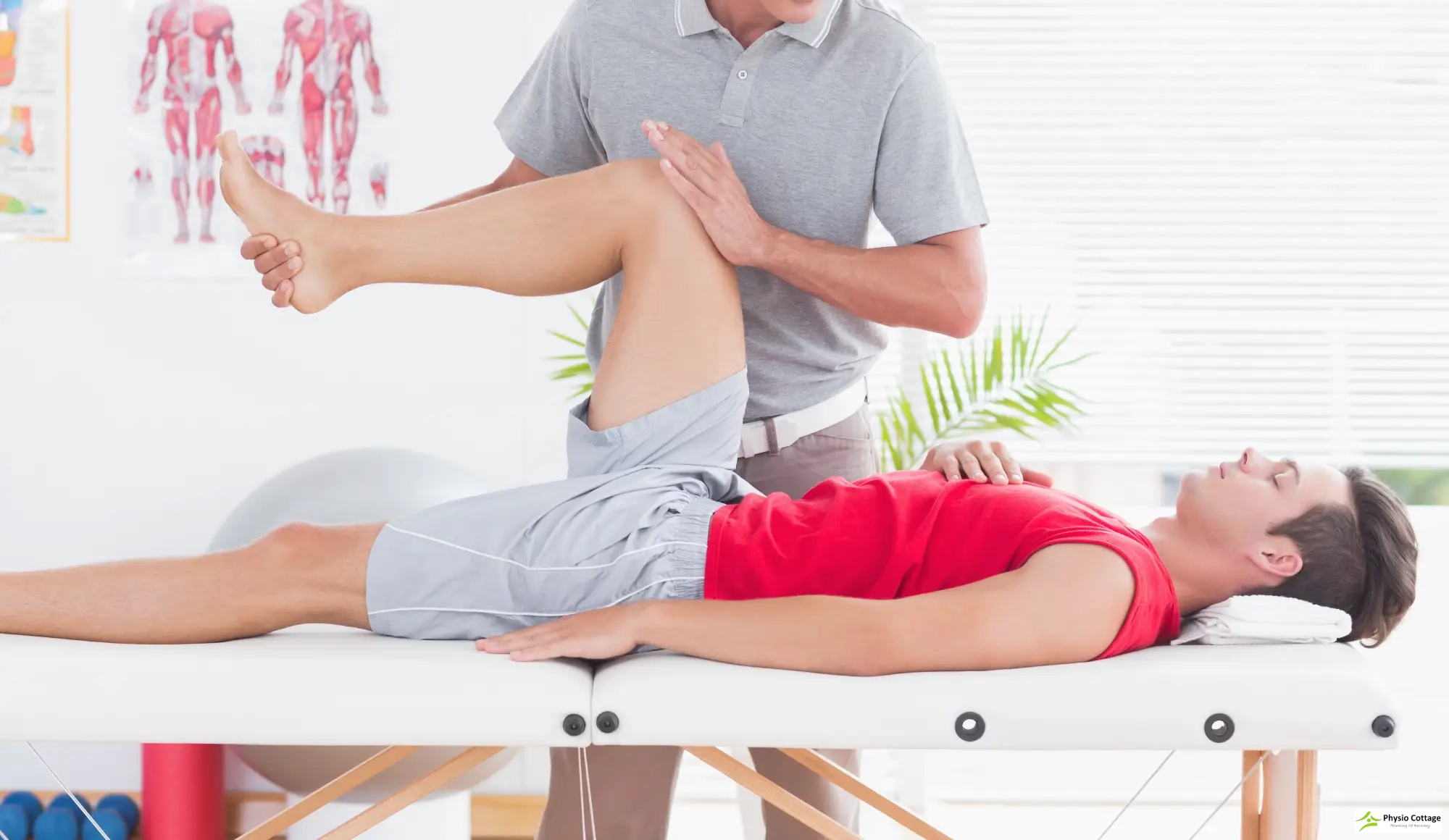
Physiotherapy is not just about treating symptoms—it focuses on identifying the root cause of knee pain.
A structured approach may include:
1. Movement assessment
Understanding how your hips, knees, and feet work together.
2. Manual therapy
Reducing stiffness and improving joint mobility.
3. Targeted exercise therapy
Strengthening weak muscles like glutes, quads, and calves.
4. Gait correction
Improving walking patterns to reduce stress on the knee.
5. Education
Teaching you how to avoid re-injury and manage activity levels safely.
Simple Tips to Reduce Knee Pain While Walking
While professional care is ideal for persistent pain, these strategies can help reduce discomfort:
- Wear supportive footwear
- Avoid sudden increases in walking distance
- Strengthen hips and thighs regularly
- Maintain healthy body weight
- Warm up before long walks
- Avoid walking through sharp pain
Final Thoughts
Knee pain when walking is rarely caused by just one factor. In most cases, it is the result of biomechanical imbalances, overuse, or early joint irritation that gradually builds up over time.
The good news is that most of these causes are highly treatable when addressed early with the right approach. Understanding the hidden reasons behind your knee pain is the first step toward long-term recovery—not just temporary relief.
If your knee pain is affecting your walking or daily life, getting a proper assessment can make a significant difference in how quickly and effectively you recover.