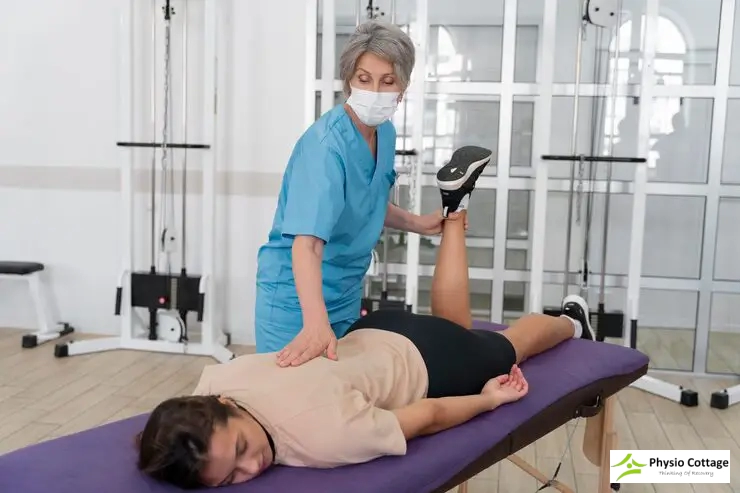
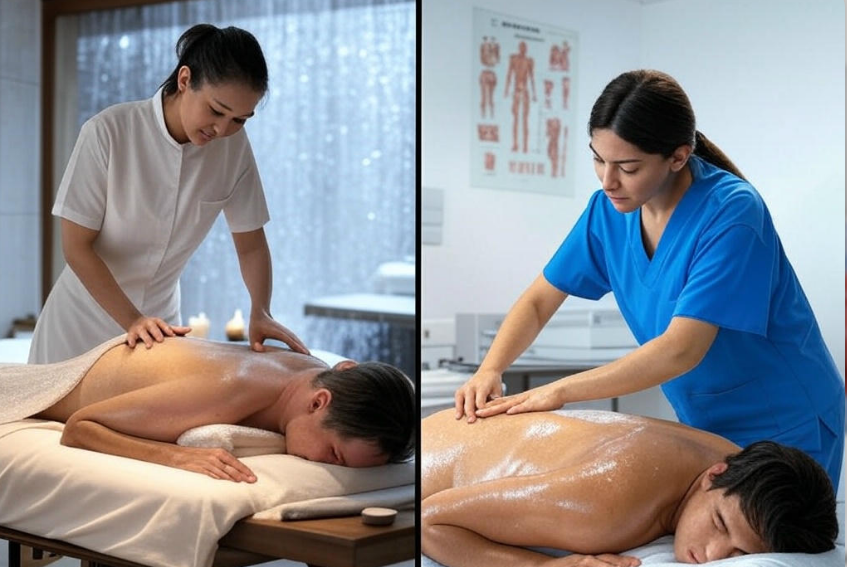
What’s the Difference Between RMT and Spa Massages? This fundamental question guides your choice between clinical care and pure relaxation. To truly understand the difference between spa and massage options in Canada, it is essential to first clarify what is an RMT massage and the RMT massage meaning of its medically-focused training, a key differentiator from purely relaxation-based spa services. Determining what is a RMT (Registered Massage Therapist) allows users and search engines to distinguish a regulated healthcare professional from a spa technician, directly impacting how you assess therapeutic benefits and whether your rmt massage is covered by health insurance.
The core distinction lies in the credentials: understanding what is rmt massage means recognizing the rigorous education and provincial regulation that underpins an RMT meaning massage as a form of clinical therapy. Many consumers wonder, “whats an rmt and how does their approach differ from a typical spa setting?” The answer involves the RMT’s focus on assessment and treating specific musculoskeletal conditions, which is crucial for those seeking targeted pain relief over general wellness.
By addressing the query, “what is an rmt massage,” this article provides a clear framework for consumers to choose between a clinically-driven rmt massage—emphasizing therapeutic outcomes—and the general relaxation benefits typically associated with a spa environment. We will explore the clinical practice of what is a rmt, the necessary training, and the distinct difference between spa and massage services in detail.
✔️ Also Read: Is Acupuncture Safe During Pregnancy?
What’s the Real Difference Between RMT and Spa Massages?
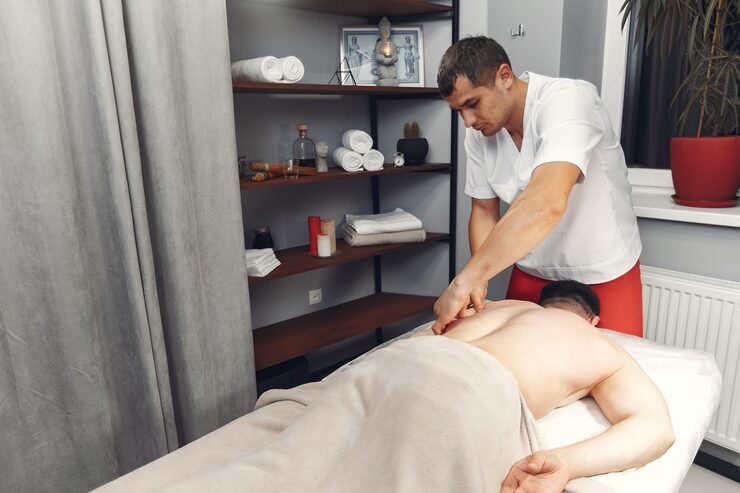
The journey to becoming a Registered Massage Therapist (RMT) is what truly sets this profession apart and defines what is an RMT massage. This title signifies not merely a practitioner of touch, but a regulated healthcare professional whose primary goal is to assess, treat, and prevent physical dysfunction and pain. The deep, often complex meaning behind the title is the key to understanding the full scope of therapeutic benefits available.
What is a RMT (Registered Massage Therapist)? The Medical Foundation
In provinces where the profession is regulated, understanding what is a RMT starts with the education requirements. RMTs must complete rigorous, college-level programs—often ranging from 1500 to 3000 hours of training. This extensive curriculum includes detailed studies in anatomy, physiology, pathology, neurology, clinical assessment, and professional ethics. This foundation enables an RMT to recognize contraindications, understand complex medical histories, and tailor treatments to specific conditions rather than simply applying a generalized routine. The title RMT meaning massage is therefore inherently a clinical designation, distinguishing it from purely aesthetic or non-therapeutic services.
The RMT is accountable to a provincial regulatory body, such as the College of Massage Therapists of Ontario or British Columbia. This regulatory oversight ensures they adhere to a strict Code of Ethics and Standards of Practice, which reinforces the trustworthiness and therapeutic benefits of their services. When you ask, “whats an rmt,” you are essentially asking about a highly qualified, regulated health practitioner.
The RMT Massage Meaning: Assessment and Treatment
The core distinction of a session is in the purpose and execution. To grasp the RMT massage meaning, you must understand the process begins long before the physical touch. Every session involves a comprehensive clinical assessment. The RMT reviews your medical history, performs orthopedic and special tests, evaluates posture, and uses all this information to formulate a specific, goal-oriented treatment plan. This process defines what is an RMT massage—it is targeted, evidence-informed, and focused on specific outcomes.
The goal is to achieve defined therapeutic benefits, whether that is reducing chronic low back pain, improving range of motion following an injury, or managing symptoms of conditions like sciatica or carpal tunnel syndrome. Unlike a general relaxation service, the rmt massage employs advanced modalities: deep tissue work, myofascial release, joint mobilizations, trigger point therapy, and hydrotherapy. The treatment may feel intense at times, but it is always purposeful and aimed at restoring function. This is why when people ask, “what is an rmt massage,” the answer involves clinical goals, not just general relaxation.
✔️ Also Read: How Long is a Typical Massage Session?

What Are Spa Massages?
The difference between spa and massage treatments becomes immediately clear when you consider the setting and intent. While deeply enjoyable and beneficial for mental health, a spa massage operates from a fundamentally different philosophy than the clinical approach of an RMT.
Defining the Spa Experience
The primary purpose of a spa or relaxation massage is general wellness, stress reduction, and overall indulgence. The environment is designed to promote a sensory experience: soft lighting, tranquil music, and calming aromas are all part of the package. The spa and massage experience is centered on pampering and escaping the stresses of daily life, making it an excellent choice for a treat or for general stress maintenance.
The practitioners in a spa setting—often called massage practitioners, aesthetic technicians, or similar titles—typically have different training requirements. Their education focuses more on general techniques, client comfort, and the overall experience rather than complex pathologies or detailed clinical assessment. While they are often skilled and dedicated to their craft, they are generally not regulated as healthcare professionals in the same manner as an RMT in Canada. Therefore, if your primary need is treatment for a specific pain or dysfunction, the limited clinical scope of a standard spa setting is an important consideration.
Techniques and Scope in a Spa Setting
Spa and massage services usually focus on classic techniques such as Swedish massage, which involves long, flowing strokes, kneading, and light percussion, mainly on the superficial layers of muscle. Other popular treatments include hot stone massage, aromatherapy, and body wraps, which prioritize comfort and superficial relaxation. The intent is to improve circulation and reduce generalized muscle tension, leaving the client feeling refreshed and rejuvenated.
Crucially, the scope of practice in a typical spa does not include the in-depth assessment and diagnosis of musculoskeletal issues that defines what is a RMT. A spa practitioner will not, and should not, attempt to create a clinical treatment plan for an injury or chronic condition. If a client presents with specific pain, they will often be advised to seek treatment from a regulated professional like a Physiotherapist or a Registered Massage Therapist. This contrast highlights the fundamental difference between spa and massage when it comes to therapeutic goals.
For Massage Therapy services in Scarborough, Call us
How Does RMT Differ in Training and Expertise?
One of the most significant aspects of the difference between RMT and spa massages is the level of training and expertise involved, which directly impacts what each can achieve. This distinction shapes not only the skills of the practitioners but also the trust you can place in their abilities. Let’s examine how their preparation sets them apart.
RMT: Rigorous and Regulated Education
Registered massage therapists commit to a rigorous educational journey, often lasting 2 to 3 years, that includes in-depth coursework and hands-on practice in a supervised setting, culminating in certification exams overseen by regulatory bodies. They master complex topics like musculoskeletal anatomy, nerve function, and therapeutic methods—think deep tissue massage to break up scar tissue or joint mobilization to restore range of motion. This expertise equips them to conduct detailed assessments, such as identifying a tight IT band causing knee pain, and to craft personalized treatment plans that deliver measurable health improvements.
Spa Massage: Variable and Less Formal Training
Spa massage practitioners, on the other hand, typically complete shorter, less standardized training programs that might range from a few weeks to several months, focusing on foundational techniques like Swedish massage or the use of hot stones. Since their training isn’t regulated, the depth of their knowledge can vary widely—some may excel in relaxation methods, while others have only basic skills. Their preparation is geared toward providing a pleasant, general experience rather than diagnosing or treating specific medical conditions, making them ideal for wellness but not for clinical needs.
What Sets Techniques and Focus Apart?
The techniques employed and the goals they serve further highlight the difference between RMT and spa massages, as each targets a distinct outcome. Whether you need relief from a physical ailment or a break from mental strain, the approach matters. Here’s how they diverge in practice.
RMT: Targeted, Clinical Techniques
RMTs use a repertoire of precise, often intense techniques tailored to address specific health concerns, such as trigger point therapy to release tight muscle knots, myofascial release to ease restrictive connective tissue, or deep tissue massage to penetrate layers of muscle and fascia. Their focus is clinical—think reducing inflammation in a strained shoulder, improving posture after long desk hours, or speeding recovery from a sports injury like a hamstring tear. While these sessions might involve some discomfort due to the depth of work, the result is often significant pain reduction and enhanced physical function, as supported by a 2021 Journal of Physiotherapy study showing massage therapy benefits like a 30% decrease in chronic pain.
Spa Massage: Gentle, Soothing Strokes
Spa massages take a softer approach, employing flowing, light techniques like effleurage (long, gliding strokes), petrissage (kneading), or the application of warm stones and aromatic oils to create a calming, full-body experience. The emphasis is on relaxation and stress relief, not on resolving underlying physical issues—so while you might feel looser after a session, it’s not designed to fix a pinched nerve or chronic tension. A 2020 wellness study found that relaxation massage can reduce anxiety by 25%, making it a powerful tool for mental well-being and a restful night’s sleep.
✔️ Also Read: How do I book a massage therapy session in Scarborough?
How Do Settings and Costs Compare?
The environment you step into and the financial aspect of your massage experience also reveal key differences between RMT and spa massages. These elements affect not just your comfort but also your wallet. Let’s break down how they stack up.
RMT: Clinical Settings and Insurance Options
RMT sessions are typically held in practical, no-frills spaces like physiotherapy clinics, chiropractic offices, or private treatment rooms, where the focus is on functionality rather than aesthetics—think a clean table, bright lighting, and minimal decor. Costs generally fall between $80 and $120 per hour, but a major advantage is that many health insurance plans recognize RMT as a reimbursable healthcare service, often covering part or all of the fee depending on your policy. After a session, you might leave with a tailored stretching routine or advice to complement the treatment, adding value beyond the massage itself.
Spa Massage: Luxurious Ambiance and Out-of-Pocket Fees
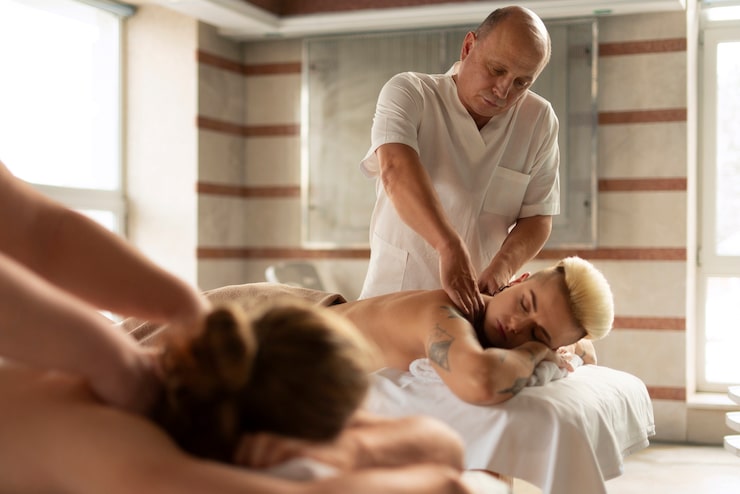
Spa massages unfold in carefully curated environments designed to pamper—think plush robes, warm towels, flickering candles, and tranquil music that instantly signals relaxation. Prices can range from $50 to $150 per hour, influenced by the spa’s location, reputation, and added perks like a sauna or champagne, but they’re almost never covered by insurance, and tipping (often 15–20%) is customary, increasing the total cost. You’re paying for an experience as much as the massage, which might last 50 to 120 minutes depending on the package you choose.
| Aspect | RMT | Spa Massage |
|---|---|---|
| Training | 2,200+ hours, regulated, certified | 100–500 hours, unregulated, variable |
| Focus | Therapeutic, health improvement | Relaxation, stress relief |
| Techniques | Deep tissue, trigger point, clinical | Swedish, hot stone, light strokes |
| Setting | Clinical, functional | Luxurious, sensory-focused |
| Cost | $80–$120/hour, often insured | $50–$150/hour, out-of-pocket + tip |
| Assessment | Detailed intake, personalized plan | Minimal, pre-set menu options |
| Duration | 30–90 minutes, goal-specific | 50–120 minutes, experience-based |
| Outcome | Pain relief, mobility improvement | Calmness, mood enhancement |
Which Massage Suits Your Needs: RMT or Spa?
Deciding between RMT and spa massages hinges on what you hope to achieve—whether it’s healing a physical problem or soothing a frazzled mind. Both have their strengths, but they shine in different scenarios. Here’s a detailed guide to help you choose.
When RMT Is the Better Choice
RMT is ideal if you’re dealing with a specific health issue, such as persistent lower back pain from sitting all day, a pulled muscle from a workout, or stiffness following surgery that requires therapeutic massage to restore function. It’s also a smart pick if you have insurance coverage—many plans offset the $80–$120 hourly cost, making it cost-effective for regular treatments. For example, Jane, a 42-year-old runner, visited an RMT for knee pain caused by tight calves; after a few sessions of targeted deep tissue work, she was back to her weekly runs with reduced discomfort.
Tip: Bring notes about your symptoms or past injuries to your RMT—they’ll use this to tailor the session for maximum impact.
When Spa Massage Fits Best
Spa massages are perfect when your goal is to de-stress, recharge, or simply treat yourself to a moment of calm, offering relaxation massage that eases mental tension without tackling physical ailments. They’re great for beginners wary of intense pressure or for special occasions—think a birthday gift or a weekend retreat—since spas often bundle massages with extras like facials or steam rooms. Mark, a busy parent, swears by his monthly spa visits, where a 60-minute session with lavender oil and hot stones leaves him refreshed and ready to tackle his hectic schedule.
Example: Booking a couples’ massage with soothing music could elevate a romantic evening.
Benefits Breakdown
- RMT Benefits: Reduces chronic pain by 30% (2021 Journal of Physiotherapy), accelerates injury recovery (e.g., tendonitis), lowers stress hormones like cortisol as a secondary perk.
- Spa Benefits: Decreases anxiety by 25% (2020 wellness study), boosts serotonin for better sleep, lifts your mood through a pampered experience.
Sum Up
The difference between RMT and spa massages is clear when you look at the details: RMT brings clinical expertise with intensive training, targeted techniques, and insurance-friendly costs to heal your body, while spa massages offer a luxurious retreat with gentle methods and a focus on mental calm. Whether you need therapeutic massage to tackle a sore neck or relaxation massage to escape daily pressures, understanding these distinctions ensures you get the outcome you’re after. With RMT, you invest in health; with spa massages, you invest in peace—so which do you need most right now? Take a moment to decide, then book your next session to feel the difference for yourself!
✔️ Also Read: How Can Massage Therapy help Stroke Patients?
Frequently Asked Questions (FAQ)
1. Can a Spa Massage ever be covered by health insurance?
Generally, no. Insurance companies provide coverage for services delivered by regulated healthcare professionals for therapeutic reasons, such as a what is a RMT service. Because most spa massages are performed by non-regulated technicians and classified as general wellness or cosmetic treatments, they do not qualify for health insurance claims. Always check your specific policy details to confirm.
2. How can I verify that my practitioner is truly an RMT?
In regulated provinces of Canada, you can check the publicly available registry or membership directory of the provincial regulatory college (e.g., CMTO, CMTBC) or association for the practitioner’s name and registration number. This is the only way to confirm that they meet the clinical standards associated with rmt meaning massage and are legally allowed to bill for an rmt massage for insurance purposes.
3. Is deep tissue massage only available with an RMT?
Deep tissue techniques may be offered in a spa setting, but the core difference between spa and massage techniques lies in the intent and training. An RMT applies deep tissue work based on a clinical assessment, targeting specific musculature and tissue layers to achieve therapeutic benefits. A spa practitioner’s deep tissue may focus more on general firmness for client preference, lacking the necessary clinical context and safety training.
4. What is the average duration of an RMT session compared to a Spa session?
The standard session length for both types is typically 60 minutes. However, for an rmt massage, that 60 minutes includes the initial assessment and any necessary post-treatment patient education, which cuts into the hands-on time. Spa sessions are generally structured to maximize hands-on relaxation time within the booking.
5. I have chronic tension. Should I choose RMT or Spa?
If your tension is chronic or causing specific pain, you should choose an rmt massage. Chronic tension often stems from underlying issues like postural imbalances or repetitive strain. A what is an rmt massage approach will focus on identifying the root cause of the tension and providing a treatment plan with specific therapeutic benefits, including exercises and stretches, rather than just temporary relief.
Sources and Resources
For further reading and verification of professional standards in the field, we recommend consulting the following organizations:
- The College of Massage Therapists of Ontario (CMTO): Provides standards of practice and the public register for RMTs in Ontario, reflecting the regulatory environment that defines what is a RMT.
- Massage Therapists’ Association of British Columbia (MTA BC): Offers resources on the scope of practice and ethical guidelines for RMTs, further explaining the RMT massage meaning.
- The Canadian Massage Therapy Alliance (CMTA): A national body providing general information and advocacy for the massage therapy profession across Canada.
Take the Next Step to Wellness
The choice is now yours. If your goal is to find lasting relief from pain, restore function, and invest in your long-term physical health, exploring the clinical expertise of a what is an rmt massage practitioner is your clear path. Conversely, if your body and mind simply crave a luxurious escape and unparalleled relaxation, the spa awaits.
Don’t wait to address that nagging pain or persistent tension. Contact a local Registered Massage Therapist today to schedule your initial clinical assessment and start your journey toward targeted therapeutic benefits. Use your health insurance wisely and choose the path that best supports your wellness goals!
Click here to find a regulated RMT clinic near you and experience the difference of clinical care!