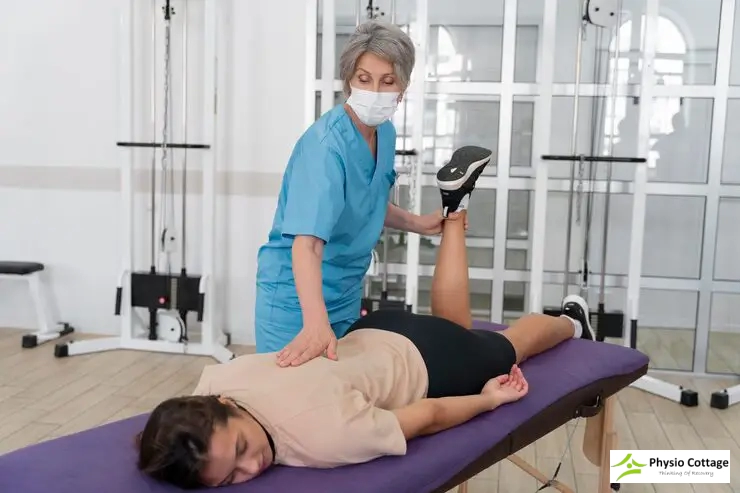

Early physiotherapy intervention represents a transformative approach to healthcare, emphasizing proactive treatment at the earliest stage to improve outcomes across populations—from premature infants in neonatal care to children with developmental delays. This timely care accelerates milestones, prevents complications, and enhances quality of life through programs like early pregnancy guidance and support in the early years. By understanding benefits, entry protocols, and available offers for high-risk groups, patients and providers can prioritize accessible services. This article explores the framework, evidence-based practices, and actionable insights into how prompt physiotherapy transforms health trajectories.
Early Intervention in Physiotherapy Explained
Early physiotherapy intervention involves prompt initiation of therapeutic services at the first signs of physical dysfunction, developmental delay, or health risk, contrasting with reactive models that delay treatment. Research shows that timing directly correlates with effectiveness, leveraging neuroplasticity and tissue adaptability—especially in infancy and early childhood, where the nervous system reorganizes rapidly to facilitate motor development and prevent secondary issues.
For optimal results, this requires comprehensive assessment, individualized planning, family education, and multidisciplinary coordination. At Physio Cottage, our holistic physiotherapy scarborough approach ensures timely entry with appropriate intensity, focusing on critical periods like birth through age five for lasting movement patterns.

Early Physiotherapy Intervention in Premature Infants
Premature infants face unique developmental challenges due to interrupted gestational development and extended hospitalization. Early physiotherapy intervention in premature infants addresses these challenges through specialized neonatal care techniques that support neurodevelopmental outcomes. Studies indicate that premature babies receiving structured physiotherapy demonstrate improved motor development, enhanced feeding abilities, and reduced long-term developmental delays compared to those without early intervention.
Neonatal physiotherapy focuses on several key areas: positioning to optimize respiratory function and prevent musculoskeletal deformities, gentle handling techniques that support neurological development, and parent education to promote appropriate stimulation. Therapists assess muscle tone, reflexes, and movement patterns, identifying early signs of cerebral palsy, developmental coordination disorder, or other conditions requiring specialized intervention. The crucial role of early physiotherapy intervention in premature infants significantly accelerates developmental milestones and is a core component of effective neonatal care, with evidence showing that babies receiving consistent therapy achieve head control, rolling, sitting, and walking milestones closer to their corrected age expectations.
Research published in pediatric journals demonstrates that early physiotherapy reduces the severity of motor impairments in high-risk infants. A systematic review examining outcomes across multiple studies found that infants enrolled in early intervention programs before three months corrected age showed significantly better motor scores at 12 and 24 months compared to later-enrolled peers. These findings underscore the critical importance of prompt identification and immediate physiotherapy referral for all premature infants, particularly those born before 32 weeks gestation or weighing less than 1500 grams at birth.
Physio Cottage team collaborates closely with neonatal intensive care units to provide seamless transition from hospital-based to community-based physiotherapy services. This continuity ensures that developmental monitoring continues systematically, allowing for early detection of emerging concerns and timely adjustment of intervention strategies to support optimal outcomes for these vulnerable infants.
Also Read: Shoulder Pain Physiotherapy in Scarborough — Treatment Options That Work
The Early Intervention Physiotherapy Framework
A structured early intervention physiotherapy framework ensures that the physiotherapy early entry point is optimal for achieving superior long-term health outcomes. This framework encompasses systematic screening protocols, standardized assessment tools, evidence-based intervention strategies, and outcome measurement systems that collectively guide clinical decision-making. Implementing such frameworks transforms sporadic care into coordinated, purposeful intervention that maximizes each patient’s recovery and development potential.
Effective frameworks establish clear criteria for identifying candidates for early intervention across diverse populations. For infants and children, this includes developmental screening at regular intervals, monitoring of high-risk groups, and responsive referral pathways that minimize delays between concern identification and treatment initiation. For adults, frameworks incorporate injury classification systems, functional assessment protocols, and risk stratification models that determine intervention urgency and intensity.
The framework also defines the scope and sequence of interventions appropriate for different conditions and patient populations. This includes specifying assessment frequency, treatment modalities, therapeutic goals, progression criteria, and discharge planning. By standardizing these elements while maintaining flexibility for individualization, frameworks ensure consistency in care quality while respecting the unique needs of each patient. Documentation standards within the framework facilitate communication among healthcare team members and enable systematic outcome tracking that informs continuous quality improvement efforts.
Technology increasingly enhances framework implementation through digital assessment tools, telehealth capabilities, and data analytics that identify trends and predict outcomes. At Physio Cottage, we integrate these technological advances within our early intervention physiotherapy framework, ensuring that every patient receives timely, evidence-based care that leverages both clinical expertise and data-driven insights to optimize health trajectories.

Physiotherapy Early Intervention Programs
These structured programs target high-risk children with developmental delays, neurological conditions, or orthopedic concerns, incorporating family-centered, culturally responsive care in natural environments. Access points include physician referrals, community screenings, school partnerships, and self-referrals to reduce barriers.
Components feature developmental assessments, individualized plans, parent coaching, adaptive equipment, and coordination with other services. Emphasizing play-based activities in the early years (birth to age five), programs promote motor skills, sensory processing, and social-emotional growth. Evidence from integrated studies shows rapid milestone achievement and sustained benefits, justifying accessible implementation for all eligible children.
Physiotherapy During Early Pregnancy
Guidance on physiotherapy early pregnancy exercises and support for physiotherapy early years development are essential pillars of proactive health management. Physiotherapy during pregnancy addresses the musculoskeletal changes that accompany fetal development, hormonal influences, and postural adaptations that can lead to discomfort and functional limitations. Early engagement with physiotherapy services helps pregnant individuals maintain physical function, manage pain, prepare for labor and delivery, and facilitate postpartum recovery.
Common pregnancy-related conditions amenable to physiotherapy include pelvic girdle pain, lower back pain, diastasis recti, carpal tunnel syndrome, and pelvic floor dysfunction. Early physiotherapy assessment identifies these issues promptly, allowing for preventive strategies and early treatment that minimize symptom progression. Interventions include therapeutic exercise programs emphasizing core stability and pelvic floor function, manual therapy for pain management, postural education, body mechanics training, and relaxation techniques that support overall wellbeing.
Prenatal exercise programs guided by physiotherapists promote cardiovascular fitness, muscular strength, flexibility, and balance throughout pregnancy. Evidence indicates that women who exercise regularly during pregnancy experience fewer complications, shorter labor duration, reduced cesarean delivery rates, and faster postpartum recovery. Physiotherapists design safe, effective exercise protocols that accommodate pregnancy-related changes while supporting maternal health and fetal development.
The physiotherapy early pregnancy approach extends beyond physical treatment to include education about body changes, self-management strategies, and preparation for the physical demands of infant care. Addressing these elements early establishes healthy habits, builds confidence, and creates supportive therapeutic relationships that continue through the postpartum period. Physio Cottage provides specialized prenatal physiotherapy services that empower pregnant individuals to maintain active, comfortable lifestyles while optimizing outcomes for both mother and baby.
Early Entry and Early Offer in Physiotherapy Services
The concepts of physiotherapy early entry and physiotherapy early offer represent critical access points in the care continuum. Early entry refers to the prompt initiation of physiotherapy services following identification of need, minimizing the gap between problem recognition and treatment commencement. This requires efficient referral systems, adequate service capacity, and streamlined intake processes that prioritize timely access over bureaucratic convenience.
Healthcare systems implementing rapid access models demonstrate superior outcomes across multiple conditions. For musculoskeletal injuries, early physiotherapy reduces pain intensity, accelerates return to function, decreases medication use, and lowers the likelihood of chronic pain development. Studies examining workplace injuries show that workers receiving physiotherapy within the first week after injury return to full duties significantly faster than those experiencing delayed care, generating substantial economic benefits for employers and reducing personal hardship for injured workers.
The physiotherapy early offer concept emphasizes proactive outreach to populations at heightened risk for functional decline or developmental delay. Rather than waiting for problems to manifest and patients to seek care, early offer models identify vulnerable groups and provide preventive services or close monitoring. This approach proves particularly valuable for premature infants, children with identified risk factors, elderly individuals with frailty indicators, and patients recovering from serious illness or surgery.
Implementing effective early entry and early offer systems requires healthcare policy support, adequate funding, sufficient workforce capacity, and public awareness campaigns that educate communities about physiotherapy benefits. At Physio Cottage, we advocate for system-level changes that facilitate timely access while maintaining clinical excellence through our own practice innovations, including extended hours, rapid assessment clinics like scarborough physiotherapy clinic, and partnership development with referring physicians and community organizations.
Evidence Supporting Early Physiotherapy Benefits
Extensive research, including systematic reviews and meta-analyses, confirms the superiority of early physiotherapy over delayed care for musculoskeletal, neurological, and developmental conditions. For infants and children, studies show enrollment before 3 months corrected age improves motor scores at 12 and 24 months, reduces long-term disability supports, and generates cost savings through fewer intensive services and better educational outcomes. In pregnancy, early exercises prevent pelvic pain and complications, aligning with guidelines recommending conservative care as first-line treatment.
While adult examples like stroke rehabilitation (initiated within 24 hours for better functional recovery) demonstrate similar neuroplasticity benefits, the focus here is on pediatric populations where early intervention in NICU settings or community programs yields the most profound developmental gains. Economic analyses further support investment, showing reduced healthcare utilization and chronicity prevention across these groups. Physio Cottage integrates this evidence through outcome tracking and updated clinical practices.
Also Read: Ankle Sprain Physiotherapy in Scarborough — Fast and Safe Healing Tips
Implementing Early Intervention in Clinical Practice
Translating evidence into practice requires systematic implementation strategies that address organizational barriers, provider knowledge gaps, and patient access challenges. Successful implementation begins with leadership commitment to early intervention as a core organizational value, supported by resource allocation, policy development, and performance measurement systems that reinforce timely care delivery.
Clinician education ensures that physiotherapists possess current knowledge about screening tools, assessment methods, and intervention strategies specific to early intervention contexts. Continuing education programs, journal clubs, and mentorship initiatives help practitioners maintain competency in this specialized area. Additionally, interprofessional education fosters collaborative relationships with physicians, nurses, occupational therapists, speech-language pathologists, and other professionals involved in coordinated early intervention efforts.
Patient and family engagement strategies promote awareness of early intervention benefits and encourage prompt help-seeking when concerns arise. Public education campaigns, parent information resources, and community presentations demystify physiotherapy services and reduce stigma or misunderstanding that might delay access. Providing information in multiple languages and culturally adapted formats ensures equitable access across diverse populations.
Quality improvement initiatives monitor key metrics such as referral-to-assessment intervals, treatment initiation timing, outcome achievement rates, and patient satisfaction scores. Regular review of these metrics identifies system weaknesses and guides targeted improvement efforts. Physio Cottage employs continuous quality improvement methods to refine our early intervention services, ensuring that every patient receives timely, effective care that meets the highest professional standards.
Also Read: Sports Injury Physiotherapy in Scarborough — Get Back to Your Best Shape
Frequently Asked Questions
What conditions benefit most from early physiotherapy?
Premature infants, developmental delays, cerebral palsy, torticollis, plagiocephaly, pregnancy-related pain, and post-injury recovery in children and adults.
How soon should physiotherapy start?
Ideally within the first 3–6 months of life for infants, during the first trimester for pregnancy issues, or within days to weeks after injury or surgery.
Is early physiotherapy covered by OHIP or insurance in Ontario?
OHIP does not cover community physiotherapy. Most extended health plans cover it fully or partially; many children under 18 qualify for funded programs (e.g., Ontario Autism Program, Infant & Child Development Services).
Can parents perform early physiotherapy exercises at home?
Yes. After professional assessment and training, parents are taught simple, safe exercises and handling techniques to continue progress daily.
How long does a child typically need early intervention?
Depends on the condition – from a few months (e.g., torticollis) to several years (e.g., cerebral palsy). Most children “graduate” once milestones are met.
Where can I access early physiotherapy in the Greater Toronto Area?
Pediatric and multidisciplinary clinics like Physio Cottage in Scarborough accept direct referrals and self-referrals with no doctor’s note required.
Physio Cottage stands ready to partner with you in achieving optimal health through evidence-based early intervention services. Our experienced physiotherapists specialize in neonatal care, pediatric development, prenatal and postpartum health, and adult rehabilitation, providing comprehensive assessment and individualized treatment that addresses your unique needs. We implement structured early intervention physiotherapy scarborough frameworks that ensure you receive the right care at the right time for the best possible outcomes.