
Stretch Therapy Scarborough
Personalized Assisted Stretching for Pain Relief
Expert assisted stretch therapy at Physio Cottage improve your flexibility, release chronic tension, and restore your full range of motion with our registered physiotherapists and RMTs. Whether you’re dealing with years of stiffness, recovering from injury, or simply want to move like you used to, we build a stretch therapy plan around you not a template
What is Stretch Therapy?
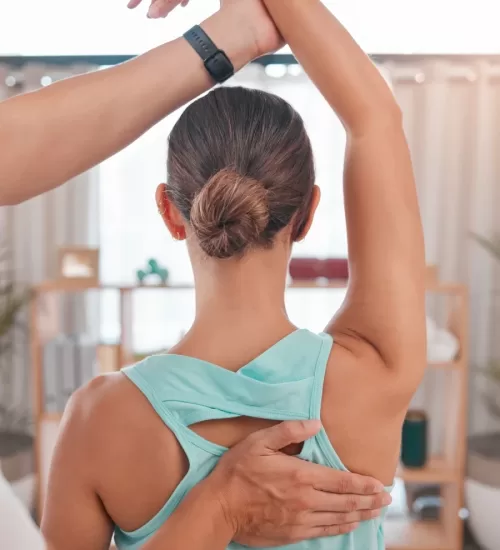
Stretch therapy is a hands on, therapist guided treatment that targets muscles, joints, and the surrounding connective tissue (fascia) to restore your body’s natural range of motion.
Unlike stretching alone at home, our registered physiotherapists and RMTs use clinical techniques, including Fascial Stretch Therapy (FST) and Proprioceptive Neuromuscular Facilitation (PNF) to go deeper, work smarter, and deliver results you’ll feel after your very first session.
Whether you’re dealing with chronic stiffness from sitting at a desk all day, recovering from a sports injury, or simply wanting to move better as you age, stretch therapy at Physio Cottage is tailored to your body’s unique needs.
Is Stretch Therapy Right for You?
Tight fascia and muscle imbalances are a leading cause of recurring back and neck pain that doesn't respond well to rest alone.
Sitting for long periods shortens these critical muscles, causing pain that radiates into the lower back and knees.
Gentle assisted stretching helps restore shoulder mobility and reduce the stiffness associated with adhesive capsulitis.
Targeted fascial release around the piriformis and hip rotators can significantly reduce sciatic nerve pain and hip discomfort.
Address the root muscular causes of rounded shoulders, forward head posture, and thoracic kyphosis for lasting postural improvement.
Neck and upper trapezius tightness contribute to tension headaches. Stretch therapy releases these patterns at their source.
What to Expect at Your Stretch Therapy Session?
Assessment
Your therapist reviews your health history, identifies areas of restriction, and discusses your goals pain relief, performance, or everyday mobility.
Personalized Plan
Based on your assessment, a stretch therapy program is designed to target your specific fascial lines, muscle groups, and joint restrictions.
Hands On Treatment
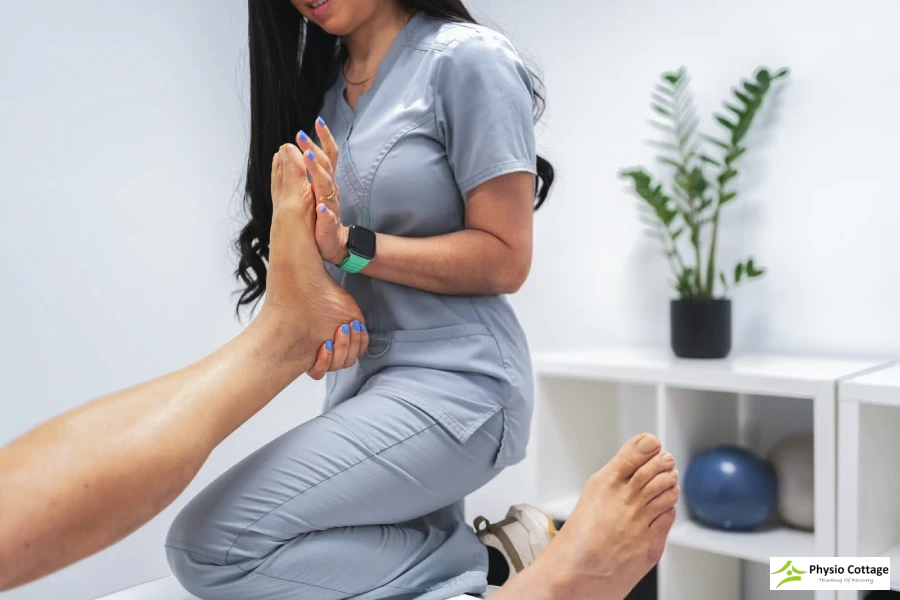
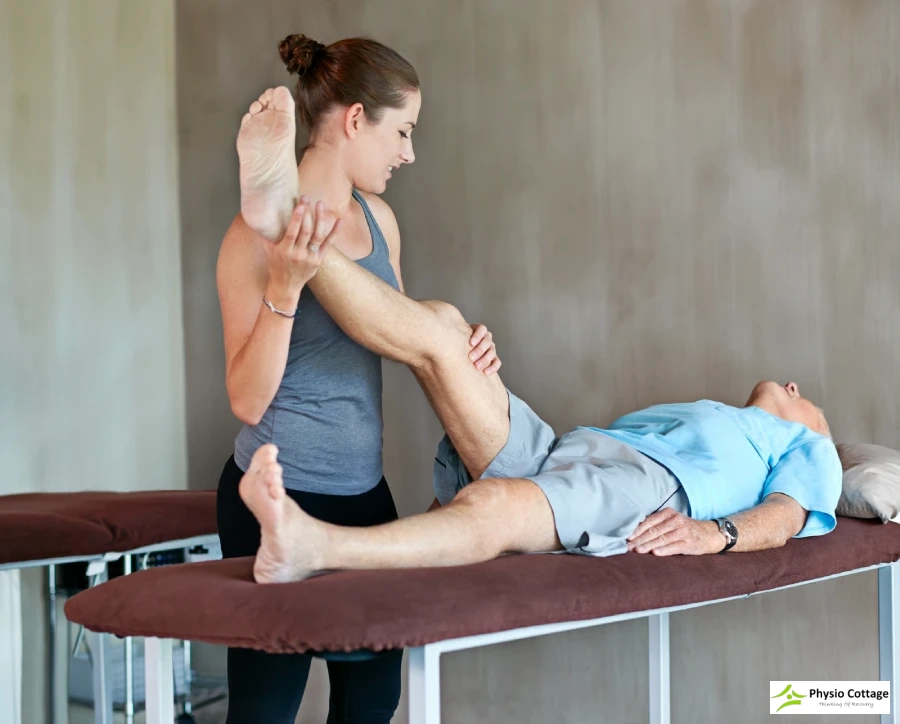
You lie comfortably on a therapy table while your therapist guides your body through FST, PNF, or active assisted techniques relaxing and effective.
Home Program
You leave with simple, targeted home stretches to maintain and accelerate your progress between sessions.
The Benefits of Assisted Stretch Therapy
Improved Range of Motion
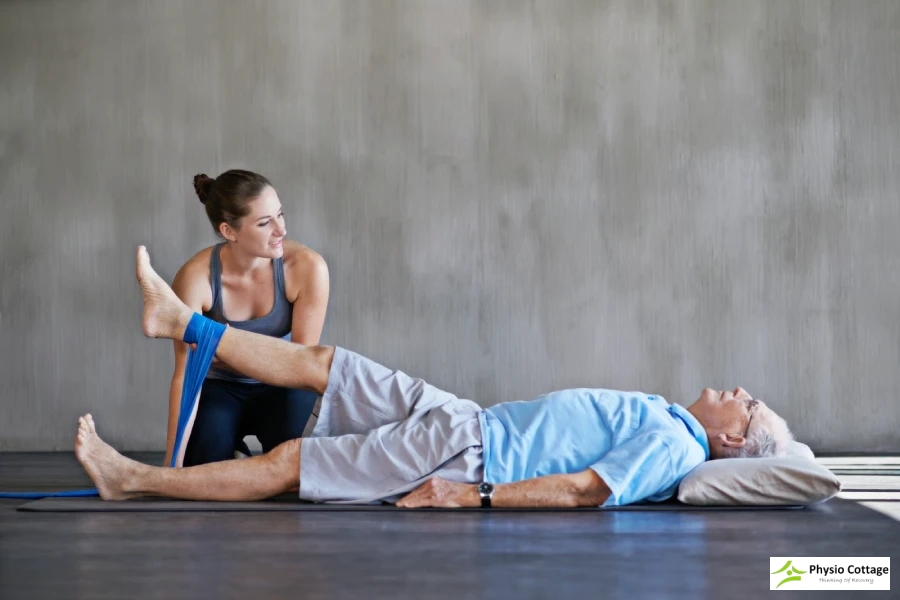
Release deep fascial restrictions and joint capsule tightness that limit how fully you can move in sport, work, and everyday life.
Reduced Muscle Tension & Pain
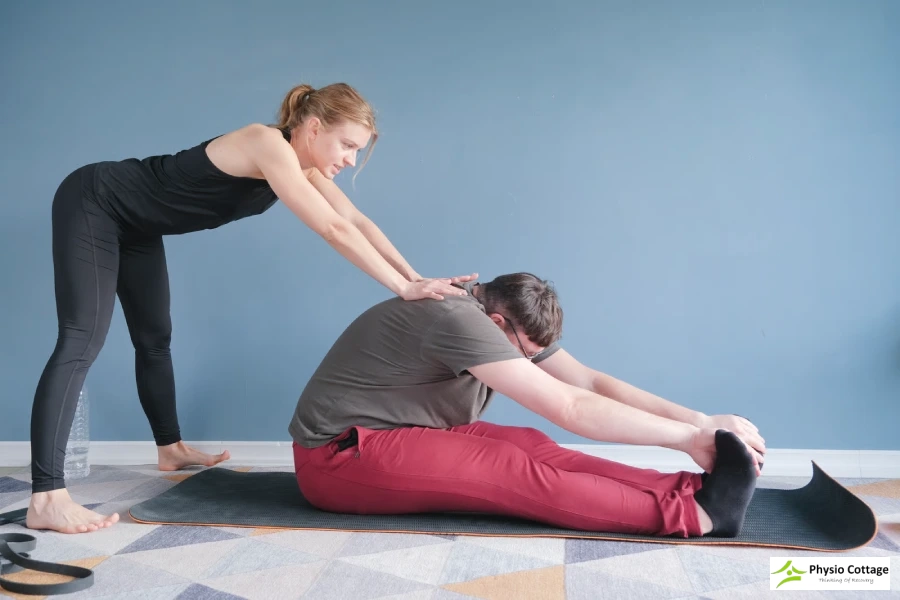
Chronic tightness in the neck, back, hips, and hamstrings responds quickly to guided assisted stretching, providing lasting relief from daily discomfort.
Faster Athletic Recovery
Athletes use stretch therapy to flush muscle fatigue, prevent overuse injuries, and return to training faster with better biomechanics.
Better Posture
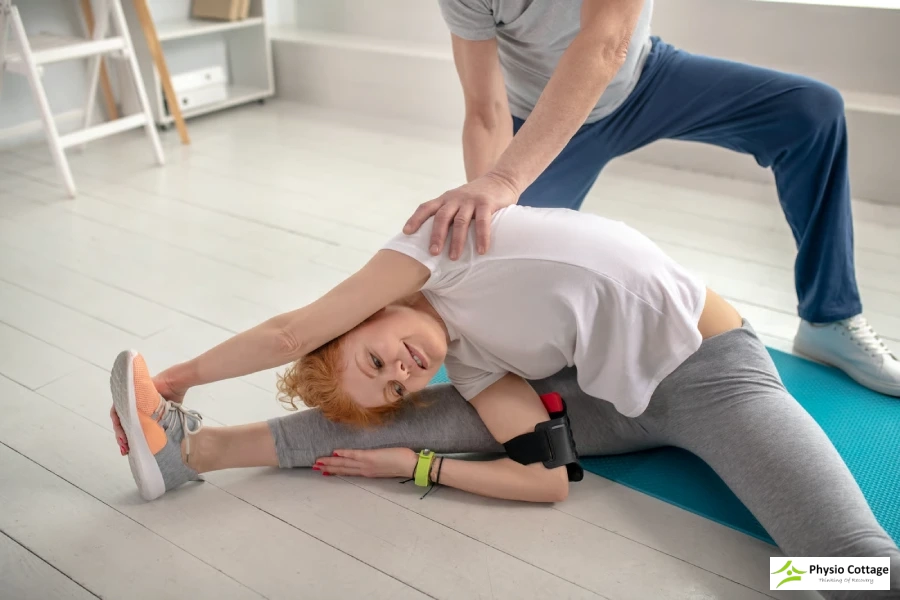
Tight chest, hip flexor, and hamstring muscles cause the forward-rounded posture many of us develop from desk work. Stretch therapy corrects these imbalances at the source.
Injury Prevention
Regular stretch therapy keeps muscles and fascia supple, reducing your risk of strains, tears, and compensational overuse injuries before they develop.
Improved Quality of Life
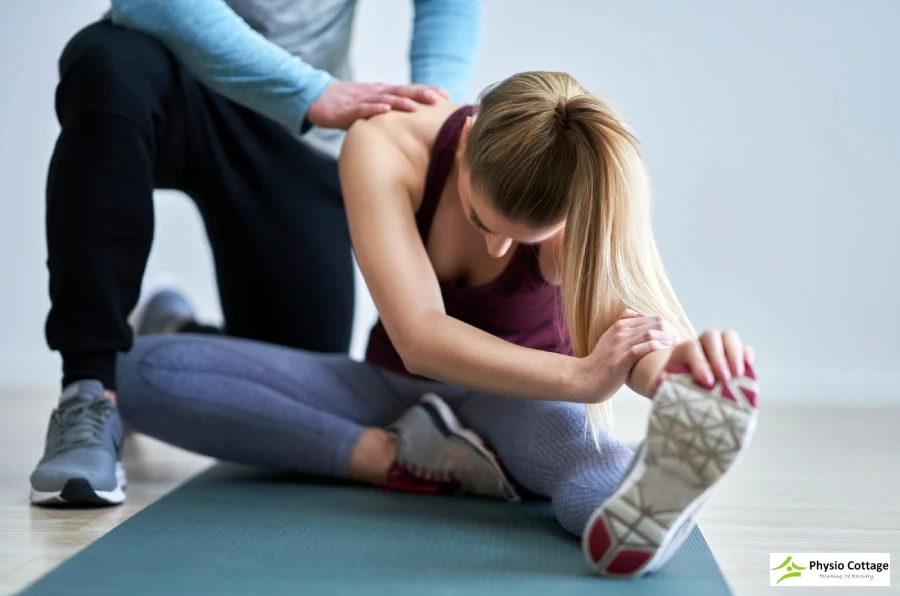
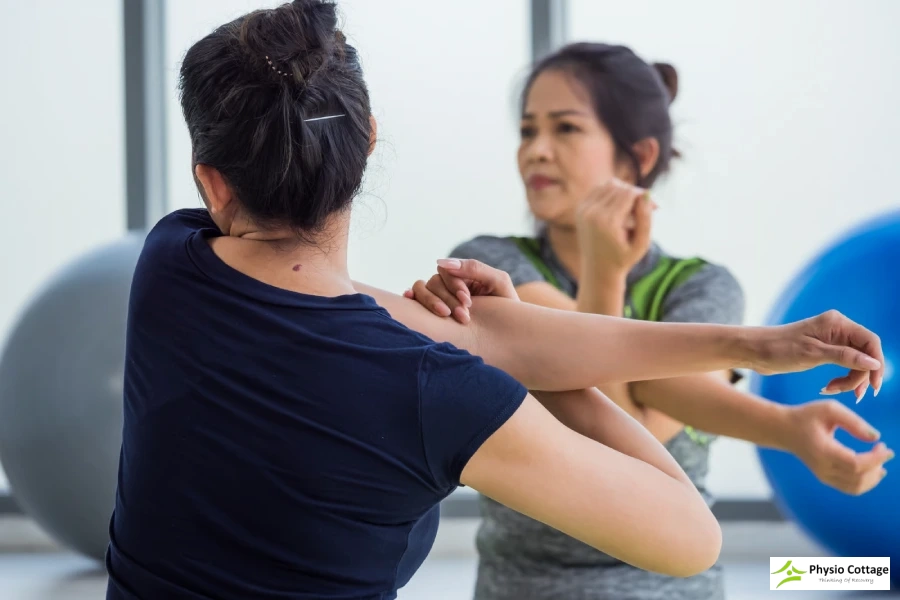
Stand taller, move easier, and feel years younger. Our clients regularly describe their post session feeling as “lighter” and “more free” than they’ve felt in years.
Stretch Therapy vs. Massage Therapy
While both massage therapy and stretch therapy are valuable for reducing tension and improving overall body function, they work in fundamentally different ways:
Massage Therapy primarily uses manual pressure, kneading, and manipulation of soft tissues to relieve muscle tightness, improve circulation, reduce stress, and promote relaxation. It is especially effective for breaking up muscle adhesions, reducing soreness, and enhancing recovery after exercise or injury.
Stretch Therapy, on the other hand, is a guided approach focused on improving flexibility, increasing range of motion, and mobilizing joints and connective tissue. A trained therapist uses specific techniques to elongate muscles and fascia, decompress joints, and release restrictions that often cannot be addressed through self-stretching alone.
How Often Should I Come?
This depends on your goals:
- General mobility & maintenance: once per week
- Athletic performance: 1–2 times per week
- Post-injury stiffness: as recommended by your therapist
We will create a plan that works for you.
Stretch therapy is guided one-on-one stretching by a trained therapist, allowing deep release and joint decompression that self-stretching or yoga can’t achieve.
Most notice results after 1 session; 6–10 weekly sessions are typical for lasting change, with maintenance afterward. Some mild cases need only 3–4 sessions.
No. It’s relaxing and controlled; mild soreness may occur for 12–24 hours after the first sessions.
Wear fitted, comfortable athletic clothing; avoid loose clothing that interferes with guided stretches.
Yes, with your surgeon’s clearance. Therapists modify stretches to avoid affected areas safely.
No referral is needed to book, though some insurance plans may require one for full reimbursement.