
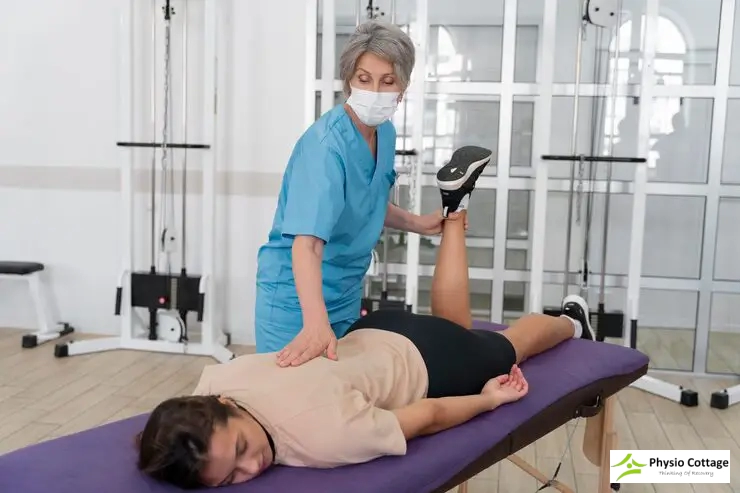
Physiotherapy for sciatica in Scarborough offers specialized, evidence-based solutions for individuals suffering from debilitating sciatic nerve pain. At Physio Cottage, we understand how sciatica can disrupt your daily activities, limit your mobility, and impact your overall quality of life. Our comprehensive approach combines proven exercises and techniques with personalized treatment plans to address sciatic nerve discomfort at its source. Whether you’re experiencing sharp shooting pain down your leg, numbness, or tingling sensations, our expert team provides effective sciatica pain relief in Scarborough through active rehab physiotherapy, manual therapy, and tailored intervention strategies.
From pelvic floor physio Scarborough treatments to advanced therapeutic modalities, we integrate multiple approaches to help you stay active and pain-free. In this article, we’ll explore the nature of sciatica, discuss evidence-based physiotherapy interventions, examine specific exercises that target sciatic nerve pain, and guide you toward selecting the right physiotherapy clinic—whether you’re considering Bolton physiotherapy, searching for a chiropractor Scarborough near me, or looking for preferred rehab physiotherapy services at total health physio Scarborough.
Understanding Sciatica and Its Impact on Daily Life
Sciatica refers to pain that radiates along the path of the sciatic nerve, which branches from your lower back through your hips and buttocks and down each leg. Typically, sciatica affects only one side of your body and can range from mild discomfort to severe, debilitating pain. The condition occurs when the sciatic nerve becomes compressed or irritated, often due to a herniated disc, bone spur on the spine, or spinal stenosis. Common symptoms include sharp, burning pain that travels from the lower back down the leg, numbness or tingling in the affected leg or foot, and muscle weakness that makes it difficult to move the leg or foot.
The impact of sciatica extends beyond physical discomfort. Many patients find their sleep disrupted by nighttime pain, struggle to maintain their work productivity, and experience reduced participation in activities they once enjoyed. Research indicates that approximately 40% of people will experience sciatica at some point in their lives, making it one of the most common neurological conditions. Understanding the underlying cause of your sciatic nerve pain is crucial for developing an effective treatment plan that addresses both immediate symptoms and long-term recovery.
Why Choose Physiotherapy for Sciatica Treatment
Physiotherapy represents a conservative, non-invasive approach to managing sciatica that has demonstrated significant success in clinical studies. Unlike medication that merely masks pain or surgery that carries inherent risks, physiotherapy addresses the root cause of sciatic nerve compression while strengthening the supporting musculature. A systematic review published in the Journal of Orthopaedic & Sports Physical Therapy found that exercise-based physiotherapy significantly reduced pain and improved function in patients with sciatica.
For effective sciatica pain relief in Scarborough, our specialized physiotherapy clinic offers a range of proven exercises and techniques designed to target the sciatic nerve and promote healing. Our approach focuses on reducing inflammation, improving spinal alignment, enhancing flexibility, and building core strength to prevent future episodes. We provide personalized physiotherapy for sciatica in Scarborough, utilizing evidence-based methods and active rehab physiotherapy principles to help patients like you stay active and recover. Each treatment plan is customized based on your specific symptoms, severity of condition, lifestyle factors, and recovery goals.

Comprehensive Assessment: The Foundation of Effective Treatment
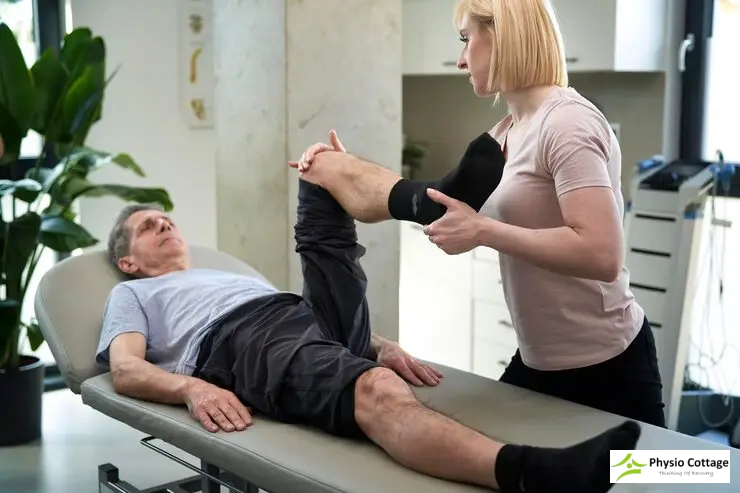
Before beginning any treatment program, a thorough assessment is essential to identify the exact cause and extent of your sciatica. At Physio Cottage, our initial evaluation includes a detailed medical history review, postural analysis, range of motion testing, strength assessment, and neurological examination. We examine your gait pattern, spinal alignment, and muscle imbalances that may be contributing to nerve compression. Special orthopedic tests such as the straight leg raise test help us determine the severity of nerve involvement and guide our treatment approach.
Our dedicated therapists at Total Health Physio Scarborough integrate advanced manual therapy and tailored pelvic floor physio Scarborough strategies, ensuring comprehensive treatment for sciatic nerve discomfort. This thorough evaluation allows us to differentiate true sciatica from other conditions that may present with similar symptoms, such as piriformis syndrome or sacroiliac joint dysfunction. By understanding your unique presentation, we can develop a targeted intervention strategy that maximizes your recovery potential while minimizing treatment time.
Also Read: Can Physiotherapy Help with Sciatica? What Exercises Should I Do?
Proven Manual Therapy Techniques for Sciatica Relief
Manual therapy forms a cornerstone of effective physiotherapy for sciatica, providing immediate pain relief while addressing underlying biomechanical issues. Our skilled therapists employ various hands-on techniques including spinal mobilization, which gently restores movement to restricted spinal segments and reduces nerve irritation. Soft tissue mobilization targets tight muscles and fascia that may be contributing to nerve compression, particularly in the lower back, gluteal region, and hip area.
Neural mobilization techniques, also known as nerve gliding or nerve flossing, help reduce tension on the sciatic nerve and improve its ability to move freely through surrounding tissues. These gentle movements promote better nerve function and reduce inflammation. Joint mobilization addresses any restrictions in the lumbar spine, sacroiliac joints, or hip joints that may be contributing to your symptoms. According to research published in Manual Therapy, patients receiving manual therapy combined with exercise showed significantly greater improvements in pain and disability compared to those receiving exercise alone.
Evidence-Based Exercises for Sciatic Nerve Pain
Nerve Gliding Exercises
Nerve gliding exercises help the sciatic nerve move more freely within its neural pathway, reducing adhesions and improving function. The seated sciatic nerve glide involves sitting upright with one leg extended, slowly flexing the ankle while straightening the knee, then pointing the foot while bending the knee. This gentle flossing motion should be performed slowly and without forcing any painful positions. Perform 10-15 repetitions on the affected side, 2-3 times daily for optimal results.
Stretching Protocols
Specific stretches target muscles that may be compressing the sciatic nerve. The piriformis stretch is particularly effective, as this deep hip rotator muscle often contributes to sciatic symptoms. Lying on your back, cross the affected leg over the opposite knee and gently pull the bottom leg toward your chest until you feel a stretch in the hip and buttock. Hold for 30 seconds and repeat 3-4 times. The hamstring stretch helps reduce tension along the back of the thigh, which can exacerbate sciatic pain. Standing or seated variations can be used based on your comfort level.
Core Strengthening Exercises
Building core stability is essential for long-term sciatica management and prevention. The dead bug exercise strengthens deep abdominal muscles while maintaining a neutral spine position, reducing stress on the lower back. Lying on your back with knees bent, slowly extend opposite arm and leg while maintaining a stable pelvis. The bird dog exercise challenges your core stability while improving coordination between the anterior and posterior muscle chains. Starting on hands and knees, extend one arm forward and the opposite leg back, holding for 5-10 seconds before alternating sides.
Active Rehab Physiotherapy: Building Long-Term Resilience
Beyond just pain management, our specialized active rehab physiotherapy programs focus on long-term strength and flexibility, helping you achieve a full recovery and maintain a healthy, stay active lifestyle. Active rehabilitation progresses gradually from initial pain relief to functional restoration and finally to injury prevention. This phased approach ensures that you build strength and endurance without aggravating your symptoms.
The early phase focuses on pain reduction and gentle movement restoration through controlled exercises and therapeutic modalities. As symptoms improve, we introduce progressive loading exercises that challenge your muscles and improve their capacity to support the spine. The advanced phase incorporates functional movements that simulate your daily activities and sport-specific demands, ensuring you can return to all the activities you enjoy without fear of re-injury. This comprehensive approach has been validated by research in the British Journal of Sports Medicine, which demonstrated that progressive exercise programs significantly reduced recurrence rates in sciatica patients.

Complementary Treatment Approaches
Pelvic Floor Physiotherapy
For many patients, particularly those with chronic sciatica or concurrent pelvic pain, pelvic floor physio Scarborough treatments provide additional therapeutic benefits. The pelvic floor muscles work in coordination with the deep core muscles to stabilize the spine and pelvis. Dysfunction in these muscles can contribute to altered movement patterns that perpetuate sciatic nerve irritation. Our specialized pelvic floor assessment identifies any impairments in muscle tone, strength, or coordination that may be affecting your recovery.
Therapeutic Modalities
We incorporate evidence-based therapeutic modalities to enhance your treatment outcomes. Ultrasound therapy delivers deep heat to soft tissues, promoting blood flow and reducing inflammation around the sciatic nerve. Electrical stimulation techniques such as TENS (Transcutaneous Electrical Nerve Stimulation) provide pain relief by modulating pain signals and stimulating endorphin release. These modalities complement your exercise program and manual therapy sessions, accelerating your recovery timeline.
Also Read: Choosing the Right Chiropractor Near Me in Scarborough
Choosing the Right Healthcare Provider in Scarborough
If you’re searching for “preferred rehab physiotherapy” or a highly-rated chiropractor Scarborough near me, choose our expert team for a holistic approach to managing your sciatic nerve pain. When selecting a healthcare provider for sciatica treatment, consider their specialized training in treating nerve-related conditions, experience with similar cases, and commitment to evidence-based practice. At Physio Cottage, our therapists maintain advanced certifications and regularly participate in continuing education to stay current with the latest research and treatment techniques.
The relationship between you and your therapist is crucial for successful outcomes. Look for a clinic that offers personalized attention, takes time to explain your condition and treatment plan, and actively involves you in your recovery process. Whether you’re considering preferred rehab Scarborough, total health physio Scarborough, or Bolton physiotherapy options, ensure the clinic provides comprehensive services that address all aspects of your condition. Our collaborative approach means we communicate with your physician and other healthcare providers to ensure coordinated, comprehensive care.
Lifestyle Modifications for Sciatica Management
Successful sciatica management extends beyond your therapy sessions to include important lifestyle modifications. Proper ergonomics at work and home can significantly reduce stress on your lower back and sciatic nerve. Ensure your workstation is set up to maintain neutral spinal alignment, with your computer monitor at eye level and your feet flat on the floor. Take regular movement breaks every 30-45 minutes to prevent prolonged static postures that can aggravate symptoms.
Sleep position plays a crucial role in managing nighttime pain. Side sleepers should place a pillow between their knees to maintain pelvic alignment, while back sleepers benefit from a pillow under their knees to reduce lumbar lordosis. Avoid sleeping on your stomach, as this position can increase spinal strain. Maintaining a healthy body weight reduces compressive forces on the spine, while smoking cessation improves tissue healing and reduces inflammation. These lifestyle factors work synergistically with your physiotherapy program to optimize your recovery and prevent recurrence.
Expected Timeline and Recovery Outcomes
Understanding what to expect during your recovery helps set realistic goals and maintain motivation throughout treatment. Most patients experience some degree of pain relief within the first 2-3 weeks of beginning physiotherapy, though complete resolution may take 6-12 weeks depending on severity and chronicity. Acute sciatica (lasting less than 6 weeks) typically responds more quickly to treatment compared to chronic cases. However, even long-standing sciatica can improve significantly with consistent adherence to your treatment program.
Research published in Spine journal indicates that approximately 75-90% of sciatica patients experience significant improvement with conservative treatment approaches like physiotherapy. Your active participation in prescribed exercises, attendance at therapy sessions, and implementation of lifestyle modifications directly influence your recovery timeline. Regular progress assessments allow us to adjust your treatment plan based on your response and ensure you continue moving toward your goals.
Also Read: Where can I Find a Physiotherapist Near me in Scarborough?
Frequently Asked Questions
How quickly will physiotherapy relieve my sciatica pain?
Most patients notice some improvement within 2-3 weeks of starting physiotherapy, with significant pain reduction typically occurring within 6-12 weeks. However, the timeline varies based on the severity of your condition, underlying cause, and adherence to your treatment program. Acute sciatica generally responds faster than chronic cases. During your initial assessment, we’ll provide a more specific timeline based on your individual presentation.
Can I continue exercising while experiencing sciatica pain?
Yes, but with modifications. Staying active is actually beneficial for sciatica recovery, as complete rest can lead to muscle weakness and stiffness. However, you should avoid activities that significantly increase your pain or cause sharp, shooting sensations. Low-impact activities like walking, swimming, and cycling are generally well-tolerated. Your physiotherapist will guide you on which exercises to continue, modify, or temporarily avoid based on your symptoms.
What’s the difference between physiotherapy and chiropractic care for sciatica?
Both physiotherapy and chiropractic care can effectively treat sciatica, though their approaches differ. Physiotherapy focuses on exercise-based rehabilitation, progressive strengthening, and functional restoration alongside manual therapy. Chiropractic care emphasizes spinal adjustments and manipulation. Many patients benefit from a collaborative approach. At Physio Cottage, we can coordinate with chiropractors when appropriate to provide comprehensive care that addresses all aspects of your condition.
Will I need surgery if physiotherapy doesn’t work?
A: The vast majority of sciatica cases (75-90%) improve with conservative treatment like physiotherapy, and surgery is rarely necessary. Surgery is typically only considered if you have severe, progressive neurological symptoms (such as significant weakness or loss of bowel/bladder control), or if conservative treatment has failed after 6-12 weeks. Even in cases requiring surgery, pre-operative physiotherapy can improve surgical outcomes, and post-operative rehabilitation is essential for complete recovery.
How can I prevent sciatica from returning after recovery?
Prevention focuses on maintaining the strength, flexibility, and movement patterns developed during your rehabilitation. Continue performing your core stabilization exercises 2-3 times weekly, maintain proper posture and ergonomics, stay physically active with regular exercise, and avoid prolonged sitting or standing. Annual maintenance physiotherapy sessions can help identify and address any emerging issues before they develop into full-blown sciatica episodes. Your physiotherapist will provide a long-term maintenance plan tailored to your needs.
Take the First Step Toward Pain-Free Living
Living with sciatica doesn’t have to be your reality. At Physio Cottage, we’re committed to providing exceptional physiotherapy for sciatica in Scarborough that gets you back to the activities you love. Our evidence-based approach, combined with personalized attention and state-of-the-art facilities, ensures you receive the highest quality care available. Don’t let sciatic nerve pain control your life any longer.
Take action today by scheduling your comprehensive sciatica assessment at our Scarborough clinic. Our expert team is ready to develop a customized treatment plan that addresses your unique needs and goals. Visit Physio Cottage to book your appointment online, or call us directly to speak with one of our friendly staff members. Whether you’re seeking active rehab physiotherapy, preferred rehab physiotherapy services, or comprehensive sciatica management, we’re here to support your journey to recovery. Experience the difference that specialized, compassionate care can make—your path to a pain-free, stay active lifestyle begins here.
References: