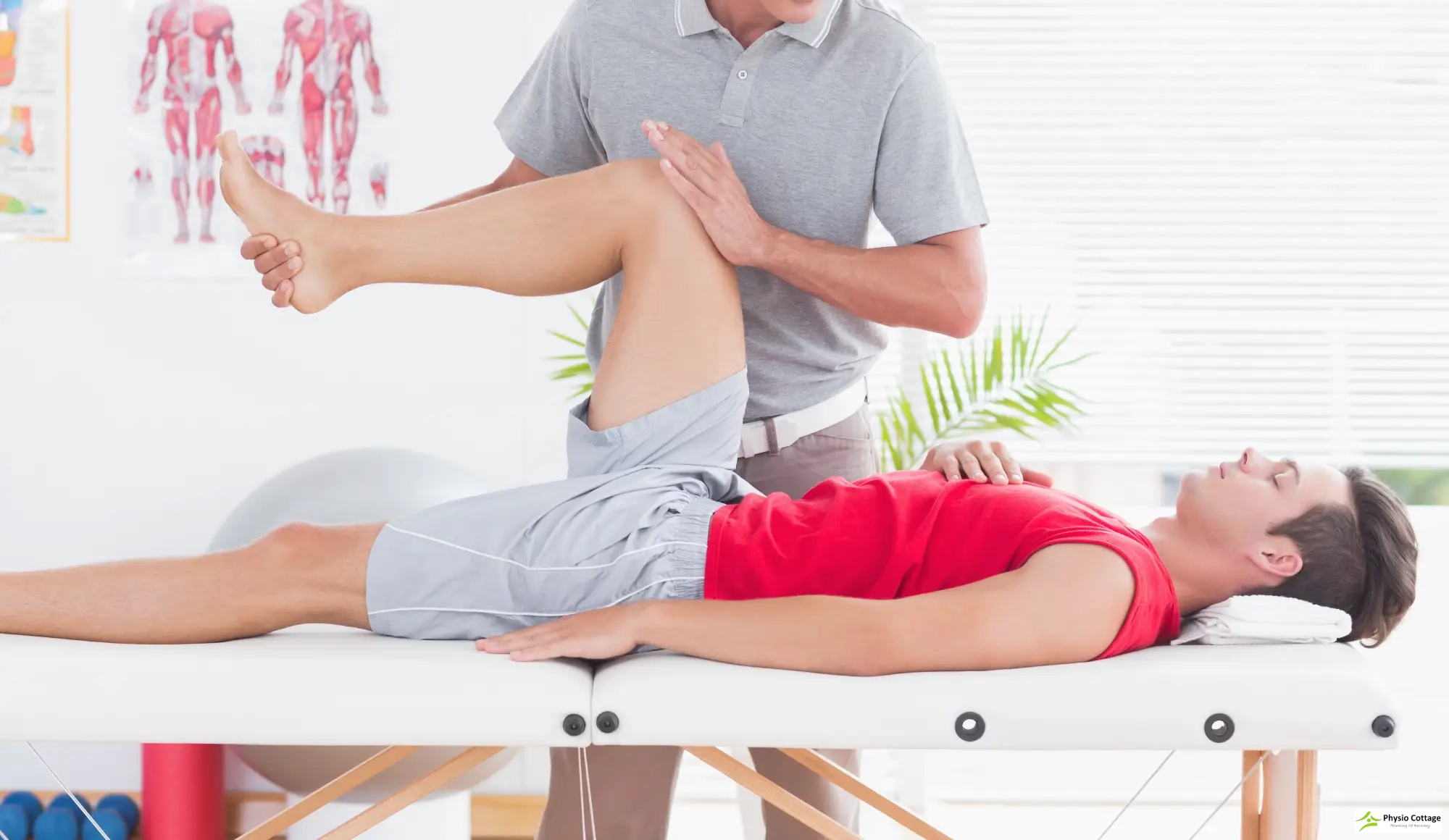

COPD isn’t only about “bad lungs.” It’s about how your whole day gets negotiated—how far you can walk, how you carry groceries, whether stairs feel like a threat, and how often you catch yourself planning life around the next breath. Many people in Scarborough and greater Toronto live with COPD quietly for years, adapting without realizing how much they’ve given up—less movement, fewer outings, more sitting, more “I’m fine, just tired.”
Physiotherapy doesn’t pretend to cure COPD. What it does—when it’s done well—is help you breathe with less struggle, move with more confidence, and keep your independence longer. It’s practical, measurable, and surprisingly personal, because COPD looks different in every body.
If you’ve ever thought, “I don’t need physio… I need lungs,” you’re not alone. But the truth is: the lungs are only one part of the system. Physiotherapy works on the parts you can actually train—muscles, posture, breathing mechanics, endurance, pacing, and how your nervous system reacts when breathlessness shows up.
Why COPD Affects the Whole Body
COPD often creates a chain reaction:
- Breathlessness leads to less activity
- Less activity leads to weaker muscles (especially legs)
- Weaker muscles make simple tasks cost more energy
- Higher energy cost means more breathlessness
- More breathlessness leads to more fear and avoidance
That spiral is one of the biggest reasons people feel like their world “shrinks” over time.
In a well-run scarborough physiotherapy clinic, COPD care isn’t limited to generic breathing drills. It targets how your body compensates—tight shoulders, stiff ribs, a forward head posture, shallow breathing, and a nervous system that stays on alert.
What Physiotherapy Targets in COPD
The most effective COPD physiotherapy plans usually focus on:
- Breathing strategy and timing
- Rib cage and upper-back mobility
- Posture and shoulder girdle control
- Lower-limb strength and endurance
- Balance, gait, and fall-risk reduction
- Energy conservation for real-life tasks
This is why COPD physiotherapy is often grouped with pulmonary rehabilitation, but it can also stand alone—especially when someone needs individualized support.

How Physiotherapy Changes Breathing Mechanics
A lot of COPD discomfort isn’t only low oxygen—it’s the sensation of trapped air and the effort it takes to move air in and out. Many patients start using neck and shoulder muscles to breathe, which increases fatigue and tension.
Physiotherapy helps you get out of “emergency breathing mode” and into a steadier pattern you can repeat daily.
Pursed-Lip Breathing for Air Trapping
Pursed-lip breathing is simple, but when it’s coached properly, it can be a game changer. It helps slow exhalation and can reduce the feeling that air is stuck.
A physiotherapist will typically coach:
- how long the exhale should be (not forced, not rushed)
- when to use it (stairs, hills, carrying bags, brisk walking)
- how to combine it with pacing (so it becomes automatic)
Diaphragm-Focused Breathing That Doesn’t Feel “Fake”
Some people hate diaphragmatic breathing because it can feel unnatural at first. Good physiotherapy doesn’t insist on a rigid method—it helps you find a version that fits your body and your symptoms.
That might involve:
- positioning (supported sitting vs. side-lying)
- gentle rib expansion cues
- timing the breath with movement
This is often where experience matters—registered physiotherapists scarborough patients trust will adjust technique instead of forcing a template.
Breath Pacing During Movement
Breathing drills are helpful, but COPD patients usually need the “real-world translation.”
Physiotherapy teaches:
- when to inhale vs. exhale during effort
- how to climb stairs using breath rhythm
- how to pause without panicking
- how to recover faster after exertion
It’s less “exercise class,” more “life training.”
Airway Clearance and Chest Mobility Support
COPD can include mucus retention, frequent coughing, and chest tightness—especially during seasonal changes in Toronto. When mucus lingers, breathing can feel heavier and more restricted.
Physiotherapy can support airway clearance and chest mobility, reducing the work of breathing.
Chest Wall Mobility for Easier Expansion
If the upper back is stiff and the rib cage doesn’t move well, breathing becomes shallow even on a “good” day.
Physiotherapists may use:
- thoracic mobility drills
- gentle manual techniques
- postural strengthening to prevent collapse
- rib movement retraining during inhalation
For some people, targeted soft tissue work—similar to myofascial release scarborough approaches—helps reduce the protective tension that keeps the chest “locked.”
Techniques That Support Cough Efficiency
Coughing is exhausting when it’s constant and unproductive. Physiotherapy may teach ways to clear secretions with less strain, including positioning and breathing patterns that make coughing more efficient.
This is not about aggressive “chest pounding.” It’s about smart mechanics and reducing flare-up risk.
Also Read: Can Physiotherapy Help With Breathing Issues?
Building Strength Without Triggering Breathlessness
One of the most overlooked facts about COPD: legs matter. Weak legs make walking expensive. Expensive walking makes you breathless. Breathless walking makes you stop walking. That’s the loop.
Physiotherapy interrupts this by rebuilding strength and endurance gradually—without tipping you into panic breathing.
Lower-Limb Strength for Daily Independence
Strength training in COPD physiotherapy often focuses on:
- sit-to-stand capacity
- step-ups and controlled stairs
- hip stability for walking efficiency
- calf and ankle work for balance and push-off
And no—this doesn’t need heavy weights to be effective. Consistency beats intensity.
Endurance Training With Smart Progressions
Instead of “go until you can’t,” physiotherapy uses:
- interval training
- controlled recovery
- symptom-based pacing
- predictable progression
This keeps people engaged and reduces the all-or-nothing crash that leads to quitting.
If a patient also struggles with long-standing aches from compensation patterns, aligning the plan with strategies used in chronic pain treatment scarborough can be the difference between compliance and dropout.
Posture, Shoulder Tension, and the Hidden Work of Breathing
COPD often pulls posture forward—rounded shoulders, chin forward, upper ribs stiff, neck tight. That posture can mechanically restrict breathing and increase the sense of tightness.
Physiotherapy addresses posture because it influences:
- rib motion
- diaphragm efficiency
- neck and shoulder overuse
- fatigue and headaches from accessory muscle breathing
Manual Therapy and Soft Tissue Support
Some COPD patients benefit from hands-on work to reduce upper chest and neck tension, especially when anxiety and breathlessness reinforce each other.
This is where complementary services—like massage therapy scarborough—can support comfort and recovery, particularly after new exercise progressions.
Managing Breathlessness-Driven Anxiety
Breathlessness can be scary. Even when oxygen saturation isn’t dangerously low, the sensation can trigger a fight-or-flight response. That response tightens muscles and makes breathing even less efficient.
Physiotherapy helps by creating safe, repeatable exposure to exertion—so your body learns it can handle symptoms without spiraling.
Nervous System Regulation Without “Therapy Talk”
A solid COPD physiotherapy plan may include:
- controlled exertion exposure
- recovery drills
- down-regulation breathing strategies
- education that reduces catastrophic thinking
This fits well with holistic physiotherapy scarborough philosophies, where the body and nervous system are treated as a team.
Functional Training for Real Life in Scarborough
The question most COPD patients quietly carry is: “Will I be able to do my normal life without paying for it all day?”
Physiotherapy answers that question with functional training, not just clinic exercises.
That can include:
- walking plans that match your neighborhood terrain
- stair strategies for condos and TTC stations
- carrying techniques for groceries
- pacing for household chores (laundry, cooking, cleaning)
In physiotherapy scarborough settings, this kind of practical coaching is often what makes people feel “heard,” because it’s built around their real routines—not generic fitness goals.
COPD Flare-Ups: How Physiotherapy Fits In Safely
Exacerbations (flare-ups) can set people back fast. Physiotherapy can’t replace medical care, but it can support recovery when it’s done responsibly.
A physiotherapist may help with:
- gentle mobility to prevent deconditioning
- safe breathing strategies
- gradual re-entry to activity
- identifying triggers and early warning signs
Red Flags That Require Medical Attention
A good clinic will be clear about when physiotherapy is not enough, for example:
- sudden severe worsening of breathlessness
- chest pain not explained by exertion
- confusion, fainting, or bluish lips/fingers
- fever with significant symptom change
Physio supports stability, but it doesn’t override medical urgency.
Coordination With Other Providers and Therapies
COPD care works best when it’s coordinated. Physiotherapy often complements:
- family physician or respirologist guidance
- inhaler technique education (sometimes reviewed in rehab settings)
- oxygen therapy routines (when applicable)
- smoking cessation supports and lifestyle changes
Some patients also seek spinal mobility support. In those cases, Chiropractic Care Scarborough may be used carefully to address thoracic stiffness—particularly when a rigid upper back limits rib expansion.
The key is coordination and conservative decision-making.
What to Expect in a COPD Physiotherapy Assessment
Many people hesitate because they don’t know what the first appointment will look like. A quality assessment is structured, calm, and tailored.
You can expect:
- symptom history (what triggers breathlessness, what helps)
- activity baseline (walking tolerance, stairs, daily tasks)
- posture and breathing pattern assessment
- basic strength and endurance screening
- goal setting that matches your life (not just “fitness”)
At Physio Cottage, the tone should feel collaborative: the plan is built with you, not handed to you.
Progress Markers That Matter in COPD
People often want reassurance that physiotherapy is “working.” In COPD, progress is sometimes subtle but meaningful.
Common markers include:
- fewer “stop-and-recover” breaks while walking
- less shoulder/neck tension during breathing
- easier stair climbing using pacing strategies
- reduced fatigue after chores
- higher confidence going outdoors in colder weather
- better recovery time after exertion
Even when lung function doesn’t change dramatically, function and quality of life often do.
Also Read: What Types of Exercises are Common in Physiotherapy?
Special Considerations: COPD With Pain, Aging, or Complex Life Circumstances
Not every COPD patient arrives with “only COPD.” Many are managing arthritis, back pain, old injuries, or postural issues from years of physical work.
That’s where individualized care matters. A one-size plan can fail quickly.
For some patients who are new to Canada or navigating complex health access barriers, refugee physiotherapy scarborough services can play a critical role in continuity of care, clear communication, and practical support.

Why This Works Long-Term: Self-Management, Not Dependence
The best physiotherapy outcomes don’t create dependence on weekly visits. They create competence.
A strong COPD plan includes:
- a home program you’ll actually do
- pacing rules that match your energy
- “bad-day modifications” so you don’t quit
- flare-up awareness and reset strategies
- periodic re-checks to progress safely
It’s not about becoming an athlete. It’s about keeping your life open.
FAQ: Physiotherapy and COPD
Can physiotherapy improve lung function in COPD?
Physiotherapy doesn’t reverse lung damage, but it can improve breathing efficiency, symptom control, and activity tolerance.
Is physiotherapy safe if I get short of breath easily?
Yes—when it’s paced properly. The goal is controlled exposure with recovery strategies, not pushing you into panic.
What exercises help COPD the most?
Usually a mix of breathing strategy training, leg strength work, and low-to-moderate endurance progressions tailored to your baseline.
Can physiotherapy help with mucus and coughing?
It can help with airway clearance strategies and chest mobility, making cough more effective and less exhausting.
How long does it take to notice results?
Some people feel small changes in breathing control within weeks; functional gains (stairs, walking) typically build over consistent practice.
Book Care That Fits Real Life
COPD can be relentless—but you’re not powerless. Physiotherapy gives you a toolkit: breathing strategies you can trust, strength that supports your lungs, and pacing that makes daily life feel less risky.
If you’re looking for COPD-focused care at a Scarborough clinic that treats you like a person—not a protocol—book an assessment with Physio Cottage today and start rebuilding your breathing confidence step by step.
Workshop: 2231 Victoria Park Ave. Unit #5, Scarborough, ON M1R 1V8
Email us: physiocottage@gmail.com
Call us: (416) 445-5353

About the author and clinical reviewer
Dr. Maryam Ahankoob, Registered Physiotherapist at Physio Cottage, 2231 Victoria Park Ave, Unit #5, Scarborough, ON M1R 1V8. Questions about this article or your own symptoms? Call (416) 445-5353 or learn more about our clinic.
This article is general information, not a diagnosis. Please book an assessment for advice about your situation.